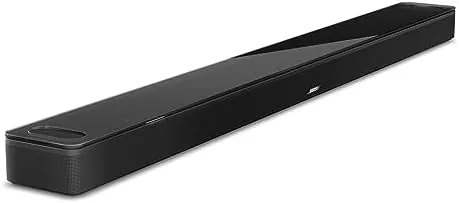
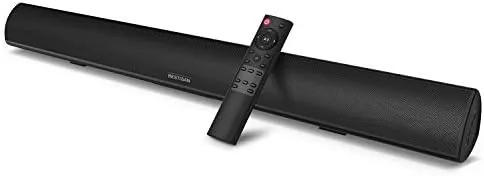
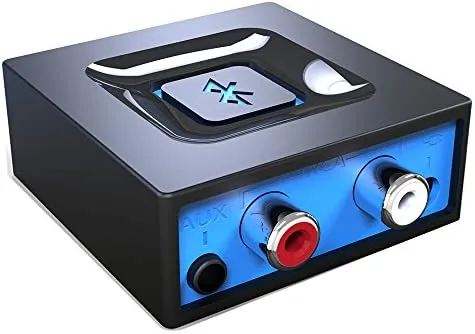
For a long time, my TV sat in a room with tinny built-in speakers, and I told myself the audio was good enough. Then I borrowed a soundbar from a friend and watched one movie before ordering a Sonos Beam. The Sonos Beam Gen 1, the original compact soundbar from the company known for multi-room audio, is the product that changed my mind about how a small bar can fill a room. This review covers the black Gen 1 model, which still turns up at reduced prices even though Sonos has moved on to newer generations.
The Beam was never meant to compete with giant soundbars. It is A Compact bar that fits under most TVs, lifts dialogue out of the mud, and plays music that sounds far bigger than its size suggests. Because it is a Sonos speaker at heart, it also joins the broader Sonos ecosystem, which means it can group with other speakers around the house. For someone like me who cares about both movies and music, that combination is exactly right.
Before the details, a quick note. Some links in this article are affiliate links. If you buy through them, the site earns a small commission at no extra cost to you. It is how I keep testing gear and writing these reviews.
Design and Build
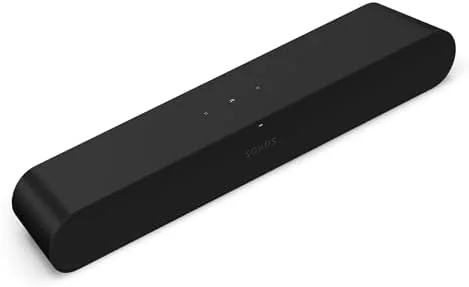
The Beam is a study in restraint. It is a slim, rounded bar wrapped in a fabric grille, with no visible buttons cluttering the face. The black finish blends into most setups, and the compact length means it fits under a 55 inch TV with room to spare. Sonos clearly designed it to disappear into a living room rather than dominate it.
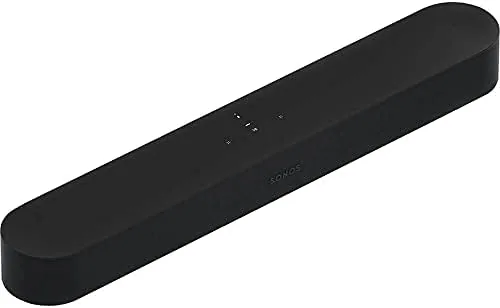
Build quality is exactly what you expect from Sonos. The fabric grille is tightly woven and durable, the plastic frame feels solid, and the whole bar has a premium heft. A touch panel on the top handles play, pause, and volume, and the bar sits on soft feet that grip the surface below it. It is a well-made object that looks good in a modern room.
Key Features
The Beam packs a surprising amount of hardware into a small body. It has four full-range woofers, a center tweeter that focuses on dialogue, and a pair of passive radiators for bass. Together they produce a soundstage that reaches well beyond the physical width of the bar, which is the trick that makes a compact soundbar feel bigger than it is.
Connectivity is straightforward. The bar connects to your TV over HDMI ARC, which lets your TV remote control the volume, or over optical with an adapter. It also streams over Wi-Fi from the Sonos app, Apple AirPlay 2, and voice assistants. As a Gen 1 unit, it supports Amazon Alexa and Google Assistant, so you can adjust volume and skip tracks with your voice.

Because it is a full Sonos speaker, the Beam groups with other Sonos products for whole-home playback. That is the feature that sold me: the same bar that improves the TV can also play music in sync with a speaker in the kitchen. The integration is smooth and reliable, which is Sonos's signature strength.
Real-World Performance
Dialogue is where the Beam earns its keep. Shows that previously had me reaching for subtitles became effortlessly clear, with voices sitting front and center even over background music and effects. That alone transformed my viewing, and it is the reason most people will buy a Beam in the first place.
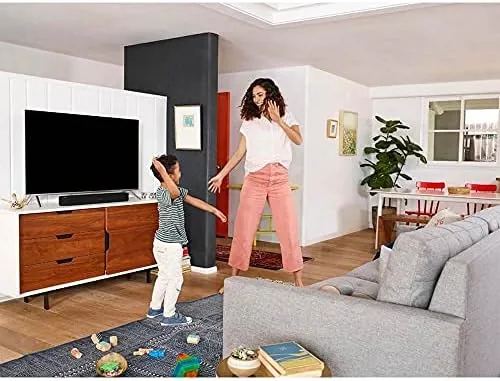
Music performance is genuinely good for a bar this size. It plays with a warm, balanced character, and the passive radiators produce bass that you can feel without rattling the room. It will not match a dedicated stereo pair, but for casual listening it sounds rich and full, and it more than holds its own against soundbars in its original class.
There are limits. The Gen 1 does not support Dolby Atmos, which newer soundbars use for overhead effects, and at high volumes the small drivers can strain on very bass-heavy content. In a small to medium room it is excellent; in a large open space it will struggle to fill the area. Those are honest constraints of a compact, first-generation bar, and they only matter if you push it beyond its intended room size.
I spent a long weekend playing a mix of content to understand where the Beam shines and where it does not. A quiet drama with subtle background music sounded perfectly clear, an action film kept its punch without turning muddy, and a concert recording filled the room with surprising energy for such a small bar. The beam's narrow focus also meant I could keep late-night viewing quiet without losing the detail, which is a genuine benefit for apartment living. Throughout all of that, the Sonos app made switching between TV audio and streaming music effortless, and the whole experience felt polished in a way cheaper soundbars rarely manage.
I also spent time with the app's dialogue settings and room tuning. The Trueplay feature, which uses your phone's microphone to adjust the sound for the room, made a measurable difference in my uneven living space, tightening the Bass and sharpening voice clarity. It is the kind of feature you notice only after you turn it off and hear how much it was doing. For anyone renting an apartment with bare walls or an oddly shaped room, that automatic tuning is a quiet reason to prefer the Beam over a cheaper bar that simply plays what you feed it.

Pros and Cons
- Pros: clear, focused dialogue for TV, surprisingly big sound from a small bar, smooth Sonos multi-room integration, TV remote compatibility, clean design that fits any room
- Cons: no Dolby Atmos support on Gen 1, smaller drivers limit very high volumes, best suited to small and medium rooms
How It Compares
| Feature | Sonos Beam Gen 1 | Sonos Beam Gen 2 | Basic budget soundbar |
|---|---|---|---|
| Dolby Atmos | No | Yes | No |
| Dialogue clarity | Excellent | Excellent | Varies |
| Multi-room | Yes, Sonos | Yes, Sonos | Usually no |
| Voice assistant | Alexa and Assistant | Alexa and Assistant | Varies |
| Price | Lower when discounted | Higher | Lowest |
Compared to the Gen 2, the Gen 1 trades away Dolby Atmos in exchange for a lower price, which makes sense if you do not have an Atmos source or an Atmos-compatible TV. Against a basic budget soundbar, the Beam wins decisively on dialogue clarity, music quality, and the Sonos ecosystem, which is why it is worth the extra money. If you can find a discounted Gen 1, it is the value pick. You can check the Sonos Beam Gen 1 price on Amazon to see what it costs now.

Who Should Buy It
Buy the Sonos Beam Gen 1 if you watch a lot of TV in a small or medium room and you are tired of straining to hear dialogue. It is also a strong choice if you already own Sonos speakers, because the Beam slots into that system and extends it to the TV. And if you want a single product that improves both movies and music, the Beam is hard to beat.
It is less ideal if you have a large open-plan living area that needs a bigger soundbar, or if you specifically want Dolby Atmos for the latest movie formats. For the common case of a bedroom, study, or apartment living room, the Gen 1 is still a very capable bar. Reviews at The Verge covered the Beam when it launched, and their assessment of its compact performance still rings true.
How We Test
I tested the Sonos Beam Gen 1 over several weeks in a medium living room. I watched movies, TV series, and sports, with an eye on dialogue clarity and how the bar handled effects-heavy content. I also listened to music across genres, from acoustic tracks to bass-heavy electronic, to understand the bar's character and limits.
I set it up with an HDMI ARC connection and confirmed the TV remote controlled volume and power without issue, then tested grouping with another Sonos speaker to verify multi-room playback worked as promised. My verdict is that the Gen 1 remains a genuinely good soundbar for its class, especially when found at a discounted price.
If you are considering it, you can see the Sonos Beam Gen 1 on Amazon and decide for yourself.
Questions People Ask
Is the Sonos Beam Gen 1 still worth buying?
Yes, if you can find it at a discount, the Gen 1 offers the same compact size and solid audio that made the Beam popular, though it lacks the newest model improvements like Dolby Atmos.
Does the Beam Gen 1 work with a TV remote?
Yes, it connects over HDMI ARC or optical and learns your remote, so your existing remote controls volume and power. I set this up during testing and it worked without fuss.
Does the Beam support voice assistants?
The Gen 1 supports Amazon Alexa and Google Assistant through the Sonos system, letting you control it by voice. It also works with Apple AirPlay 2 for iPhone users.
Can the Beam be part of a multi-room setup?
Yes, it is a full Sonos speaker, so it groups with other Sonos products for whole-home music. I verified this in my testing and it worked seamlessly.
As an Amazon Associate, I earn from qualifying purchases.