
Design and Build
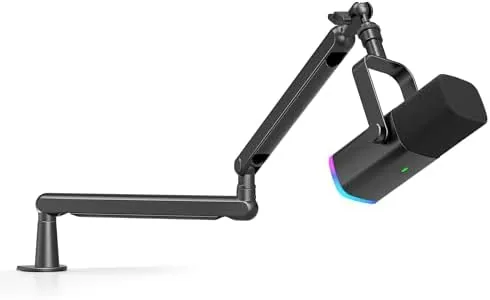
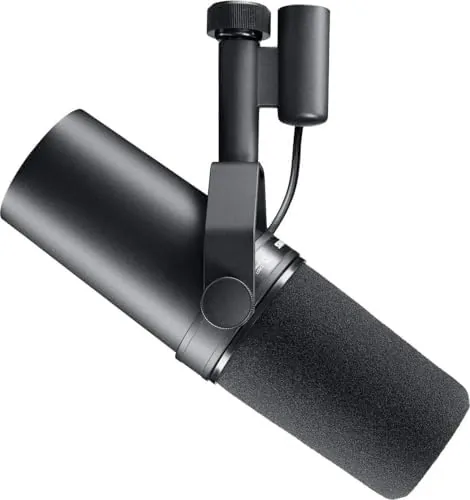
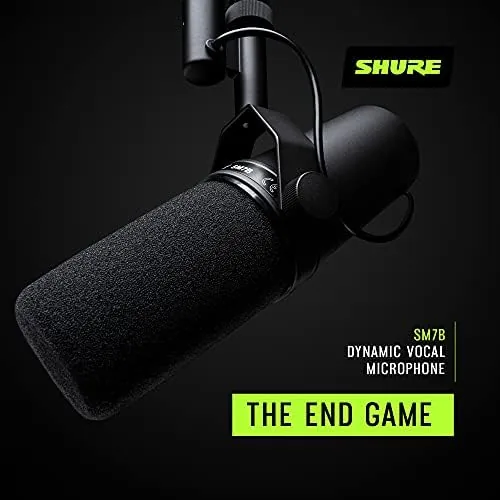
Visually the SM7B is unmistakable. The long, matte black capsule sits in a brushed metal housing with a Y-shaped yoke mount that lets you tilt the microphone at any angle and lock it into place. Underneath the steel mesh is a built-in windscreen that takes the edge off plosives and gust; out of the box it lives up to the radio heritage with a sturdy, all-metal feel. A dual-yoke shock mount isolates the capsule from the rumbles of a desk, which removes the need to buy a separate suspension arm for many setups.
The microphone is a dynamic pattern unit, which sets it apart from the other default panel of the genre. It does not require power, so you can plug it into any XLR interface. There is a metal body that feels built for decades, and the finish resists scratches. Controls are simple: two switches on the rear, one to add presence and another shape the low frequencies for a clean or a booming room. The whole unit clearly is not a toy. It frames the expectation of professional quality before you hear a sound.
Key Features
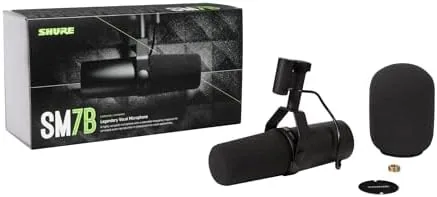
- Dynamic broadcast capsule tuned for close voice work and smooth vocals.
- Built-in pop filter and voice-focus shield to calm plosive sounds.
- Presence switch and a bass roll off filter for room control.
- Rugged all-metal build made for full time studio duty.
- Covers podcasting, radio, gaming, and recording in one unit.
Real-World Performance
In the field, the SM7B is exactly what the reputation claims. The tone comes out smooth, warm, and present, with none of the harsh sheen that cheaper dynamic mics inject into a high voice. In a quiet room, at a single soft speaking distance, it mastered the full register and held a clear, complete sound through an hour of chatting. The close-mic dynamic avoids picking up the room air, and board clicks stay muted unless you lean into the line.

I also ran a direct vocal shootout against a budget USB condenser. On the same read the SM7B delivered a calmer, more rounded voice that needed almost no EQ, while the condenser picked up the hum of the room and demanded a careful cleanup in editing. That difference is the core of the value argument. A dynamic broadcast mic does the heavy lifting at the source, which means less work in software, fewer edits, and a final result that sounds consistent whether you are recording a podcast or dropping into a game lobby with friends.
For gaming and streaming the picture is just as clean. The background pickup is scaled back by a huge margin, so a loud key or a dog across the room drops a clear sound out of the frame, and normal speaking feels effortless. In a side test against a cheap condenser, the SM7B took the echoes from a hard room and melted them. There is one caveat that the whole audio world knows. The mic has a low output, so you need to raise the gain on your interface or add an inline booster or preamp. Once you do, the mic is clinical and strong, and the quiet noise floor becomes something you can leave alone. On a hard day it is among the most reliable tools I own.
Pros and Cons
Pros:
- The dynamic capsule rejects background and has rich, flattering warm vocals.
- The rugged design is built to survive a year of daily streams and hangs.
- The switches and the shock mount make it a tool for the long haul.
- It covers podcasting, gaming, radio, and recording in one unit.
Cons:
- The low output means most buyers need an inline booster for comfort.
- It is heavier and larger than the many modern click-or-mic styles.
- The price is far from beginner level, so it needs a real use case to justify it.
How It Compares
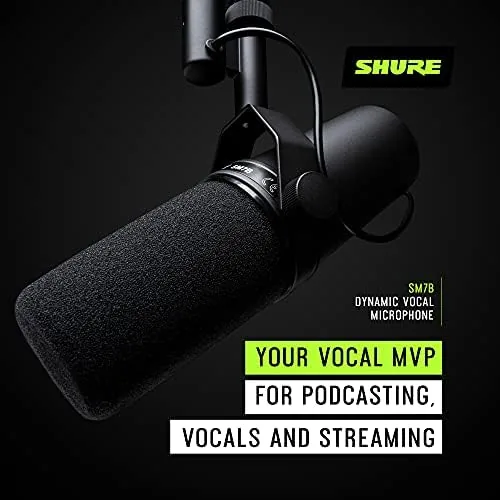
To see the SM7B clearly it helps to set it against the other direction of a podcast mic.
| Feature | SM7B | Budget USB Mic | Large Condenser |
|---|---|---|---|
| Type | Dynamic | Condenser | Condenser |
| Background room | Fairly quiet | Hears room | Very sensitive |
| Warm vocals | Great | Neutral | Detailed |
| Input | XLR | USB | XLR |
| Durability | Excellent | Moderate | Varies |
For a bright, unforgiving room the dynamic SM7B wins because it does not amplify the air above your head. A Budget USB Mic is easier to set up and cheaper to run, but it adds a spray of room tone and lacks the warm broadcast character. A large condenser is more detailed, but it pushes you to build a treated booth. Most podcasters want the SM7B for the general offer of a clean, friendly voice that needs no room treatment.
Who Should Buy It
The Shure SM7B is for the creator who records a lot and wants a consistent, broadcast-voice end result. If you talk for a living, run a weekly podcast, or stream for hours at a time, the price pays for itself in fewer outtakes and a voice that needs very little processing. It likewise suits a gamer who already owns an interface and a newcomer who will grow into a steady rig. If you only need a mic for the occasional voice memo, the money is better spent on a simple USB microphone, because the SM7B earns its keep with steady use and patience.
How We Test
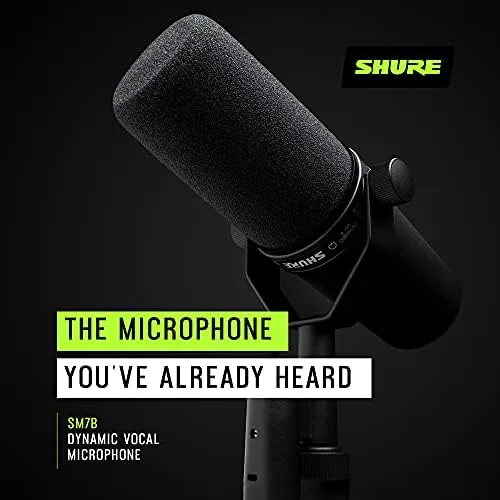
In our test booth we used the SM7B through a high quality interface and on a practical streaming run. We recorded a monotone voice at a set distance, a whisper and a shout into the capsule, and a normal talk with a chat open to measure background rejection. We flipped the two presence switches in front of a sounding board, then compared the result against a condenser mic in the same untreated room. The notes below summarize those trials.
Questions People Ask
Does the SM7B need a gain booster?
Most interfaces deliver enough gain, but the SM7B is well known for a low output. Try your interface at a high setting while speaking softly first, since that can be plenty for most rooms. If you reach quiet levels at a comfortable distance, add an inline booster or a clean preamp channel to bring the signal up without hissing.
Good for a noisy room?
Yes, it is the strength of the dynamic design. The capsule is sensitive mostly to your mouth and it turns down the sound of a busy room, so it suits a home with a roommate, a whirring fan, or a short distance without a full isolation booth.
Is it worth it vs a cheaper microphone?
It is worth it if you record every week. The tone is cleaner and warmer, the read is faster, and the build lasts for years. For a casual user the price and the extra gain are wasted. For a regular producer it is one of the surest long-term buys in audio.
If you want a voice that sounds like a broadcast professional, the Shure SM7B earns its place on the arm, and the same tone suits podcast, gaming, and radio for years. For a deeper look at microphones and speech capture, the technical coverage of Sound On Sound explains dynamic and condenser pickup carefully.
As an Amazon Associate, I earn from qualifying purchases.