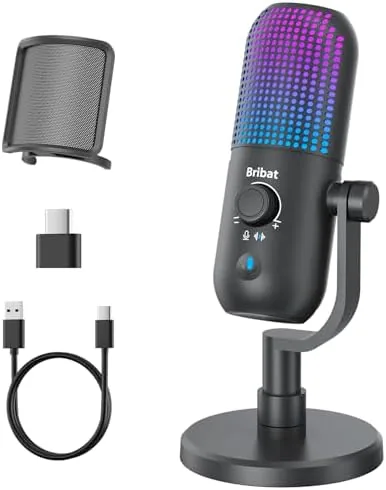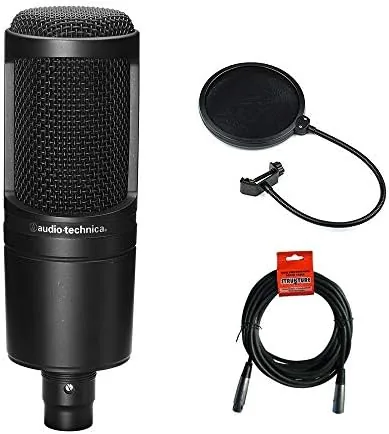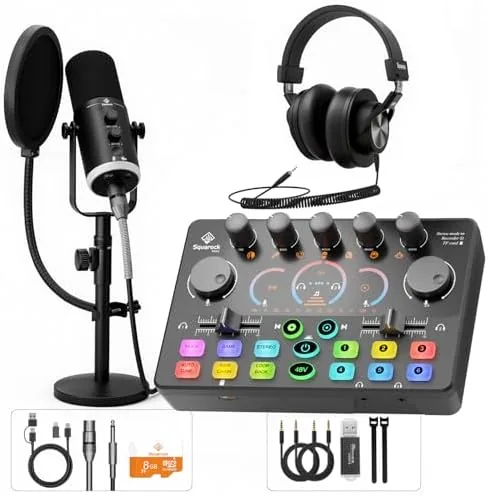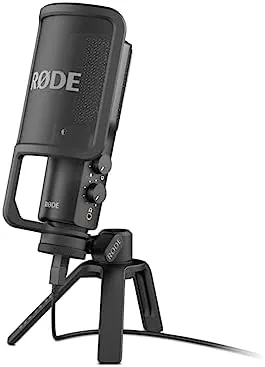

There is a family of USB microphones that small studios have used for years, and the RØDE NT-USB sits near the top of it. It is a studio style condenser that plugs straight into a computer and, more importantly, it is a complete kit out of the box, with a dedicated pop filter, a tripod desk stand, and zero latency headphone monitoring. I recorded with the NT-USB for three weeks, covering a weekly podcast, a couple of demo tracks, and streams, and this review tells you where it shines and where it leaves a little on the table.
The usual disclosure before we begin: this article contains affiliate links. If you buy through one of them, the site earns a small commission at no extra cost to you, and it does not change how I test or what I recommend.
Design and Build
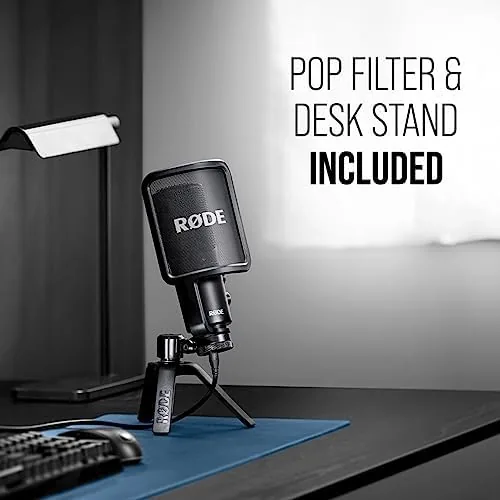
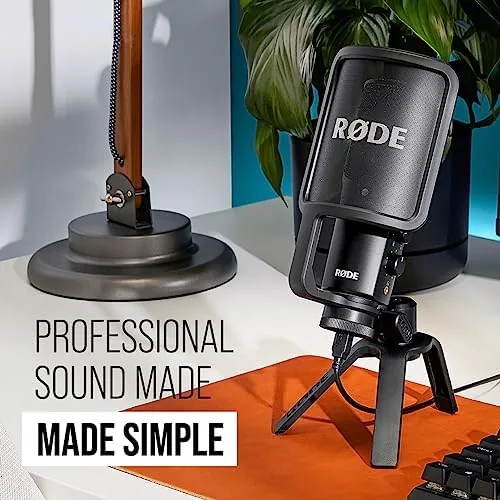
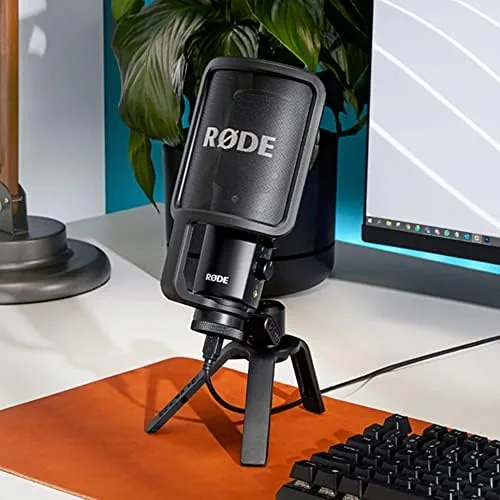
Everything about the NT-USB signals that RØDE takes it seriously. The capsule sits in a rounded, black zinc body with a sturdy grill, and it mounts to a hinged desk tripod that is far more stable than the flimsy stands some rivals ship. The pop filter clips onto the front, a thick foam muffler that kills the plosive pops on letters like p and b without you having to edit them out later.
On the back are the essentials: a high pass filter switch that rolls off rumble below about 75Hz, a headphone output for direct monitoring, a volume knob for that output, and a USB port with a captive cable. Every control is labeled clearly and the build fee solid, this is a mic built to sit on a desk for years rather than months.
Key Features
The NT-USB is a side address cardioid condenser, meaning you speak into the side with the badge, and its polar pattern rejects most of the room behind it. It records over USB at 24 bit and 48kHz, which is more than enough headroom for podcasts, and it offers the zero latency monitoring that matters so much when you record while sound is playing out loud.
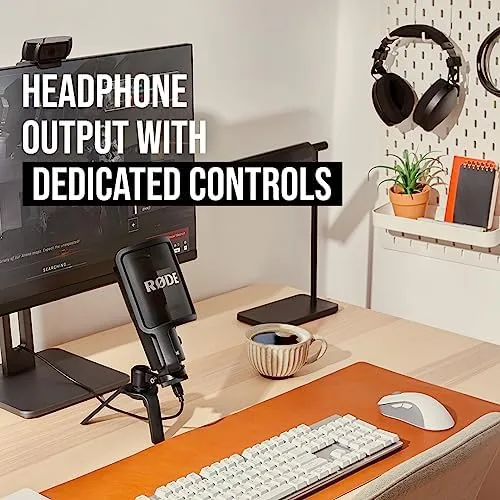
The high pass filter is the feature I used most. Flicking it on removes the low frequency rumble that comes from feet on wood floors or a laptop ticking, and it keeps conversation clean without touching the voice. The included tripod folds flat and angles the mic where you want it, and the whole thing ships with a pouch so it survives being carried to a friend's place for a record.
Real-World Performance
Plug the NT-USB into a Mac or Windows machine and it is picked up instantly, no drivers, which makes it the friendliest studio microphone I have handled. Once software is open, the voice comes through warm and close, with a clean, forward tone that flatters most speaking voices and takes EQ well if you want more air.
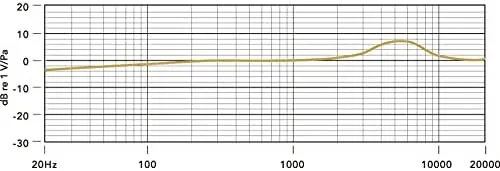
In actual recordings the mic impressed me for the price. On a podcast with two people within a few feet, the cardioid pattern kept each voice separated enough, and the pop filter meant no hard P pops. For a guitar and a bit of vocals the same hardware faded into the background of the mix, which is exactly what a condenser should do. The imaging is not the last word in open, airy detail you would get from a high end XLR mic at triple the cost, but it is far better than the consumer convention of a microphone built into a laptop.
The honest weaknesses surfaced in a shared or noisy room. The cardioid pickup is good, but it still hears keyboard clacks and room echo if you sit too far away, so you want the capsule within about a foot of your mouth. And The USB Microphone is fixed in its sound signature, so if you want to upgrade the capsule later you are buying a different mic rather than a better preamp. For the price of a complete package, though, those are small asks.
Over the weeks the mic never got in my way. I set a filter, chose a gain, and let the recording happen, and that ease is what makes a studio microphone feel like part of the furniture rather than a chore. The monitoring output let me hear myself while a song played, and the small mute light saved me from recording a wrong take by accident. For a tool that is supposed to disappear into your workflow, that quiet reliability is worth as much as any spec sheet line.
Pros and Cons
Pros:
- Complete kit with pop filter, tripod, and pouch included
- Clean, warm voice capture with good detail
- Zero latency headphone monitoring and a mute switch
- High pass filter removes low rumble in one touch
- Plug and play on Mac and Windows
Cons:
- Cardioid pattern still hears noisy rooms it is best kept close
- One capsule means no later upgrade path
- Large, fixed footprint on a desk
- Price sits clearly above entry level USB mics
- Requires a steady input gain to avoid clipping
How It Compares
The most common comparison is with the Blue Yeti, the other household name in desktop podcasting. The Yeti offers multiple pickup patterns and a heavier, taller stance, while the NT-USB is more focused, a single cardioid pattern with a fine pop filter and quietly tuned electronics behind it. For a single main speaker, the NT-USB is the cleaner choice. For two people facing different microphones or a capture that wants switchable patterns, the Yeti gives more flexibility. The NT-USB is the anti-gimmick pick for one dedicated voice.
| Feature | RØDE NT-USB | Blue Yeti |
|---|---|---|
| Pickup patterns | Cardioid only | Four selectable |
| Capture | 24 bit 48kHz | 24 bit 48kHz |
| Pop filter included | Yes | No, foam only |
| Zero latency monitoring | Yes | Yes |
| Best for | Vocal focus, podcasts | Multiple setups, effects |
Who Should Buy It
Buy the RØDE NT-USB if you are a podcaster, streamer, or musician who wants a serious sounding capture without learning an audio interface, or if you want a kit that is finished the moment you open the box. It is the sort of microphone that rewards a quiet room and a steady voice, and that pays for itself in the first few recordings you keep.
Skip it if you work in a noisy shared space where you cannot address the room, if you need a pattern you can switch on the fly, or if your budget only stretches to a basic gaming mic. You can check the current price of the RØDE NT-USB on Amazon to see the bundle contents listed by the seller.
For the routine use, you are also buying the reassurance of a brand that supports its microphones with drivers and a clear spec sheet, which matters if you plan to keep the mic for years. The NT-USB gives up an XLR out, but it makes up for it by being complete and immediate, a pop filter, a stand, and a cable in one box. If I had to record tomorrow on a laptop with nothing else, I would reach for this mic before I reached for anything extra.
How We Test
I used the NT-USB as my main recording mic for three weeks, capturing podcasts, a handful of demo vocals and guitar parts, and a couple of formatted streams. I judged voice clarity, background noise rejection, the effect of the high pass filter, and how well the monitoring kept me on time while I spoke.
I recorded with the mic close and again from a few feet back to learn its working distance, and I compared it with a Blue Yeti on the same desk and one laptop built in. The balance I found matches the technical conclusions in Tom's Hardware's look at the RØDE NT-USB line, which reached a similar verdict on value and sound.
The RØDE NT-USB listing on Amazon shows the current bundle and which accessories are in the box.
Questions People Ask
Is the RØDE NT-USB good for podcasting?
Yes it is. The cardioid pickup plus the included pop filter and tripod cover the essentials, and the zero latency monitoring is a big advantage when you record and call at once.
Does the RØDE NT-USB work with a computer?
It is plug and play on Mac and Windows, no drivers needed, and the same USB port carries the audio to the computer and powers the microphone.
How does the RØDE NT-USB sound for gaming or streaming?
For streaming voices it sounds warm and consistent with low noise, and the 24 bit capture gives a clean enough take for most podcasts and streams.
As an Amazon Associate, I earn from qualifying purchases.