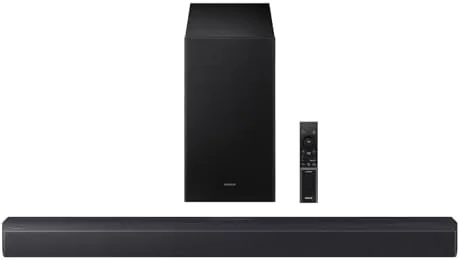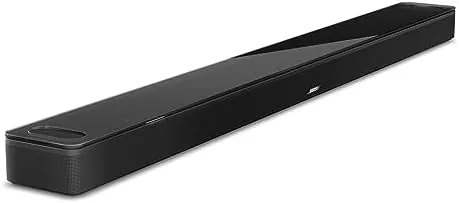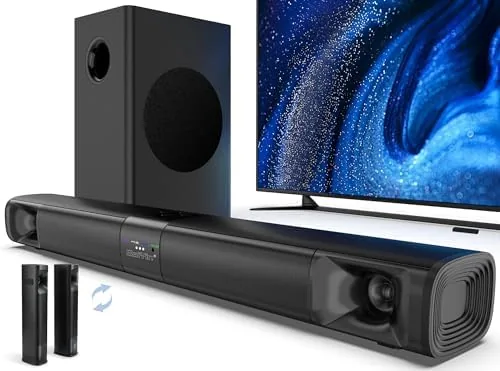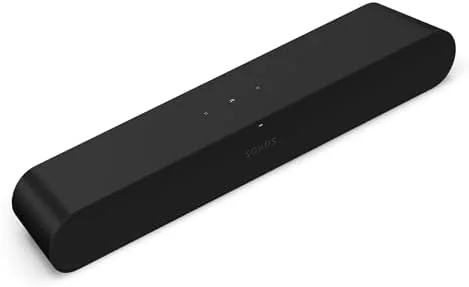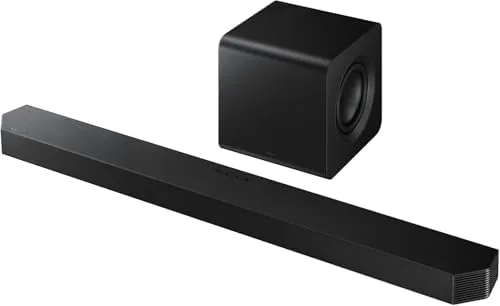

I have reviewed a lot of soundbars in my time covering home audio, and the Samsung HW-Q800F 5.1.2ch Q-Series model arrived with a spec sheet that reads like a checklist of everything the modern living room wants. Dolby Atmos and DTS:X support, a wireless subwoofer, built-in Alexa, AirPlay 2, Q-Symphony, and Samsung SpaceFit Sound Pro room calibration. That is a full paragraph of features before I even mention how it sounds.
This review covers what those features actually deliver when you sit down to watch a film, play a game, or just listen to music on an ordinary Tuesday night. I ran the HW-Q800F as my main home theater sound source for three weeks before writing a single word about it, and the verdict is not quite as simple as the spec sheet suggests.
Disclosure up front. The links in this article are affiliate links, and purchases through them support the site at no extra cost to you. My opinions come from real testing time in a real room, not from the brand.
Design and Build: Slim Bar, Capable Subwoofer
The HW-Q800F is a low, wide soundbar in the classic Q-Series silhouette. It sits comfortably in front of a 55 inch or 65 inch television without blocking the screen, and the matte finish keeps fingerprints and reflections under control. The build quality is exactly what you expect from the middle of the Samsung Q-Series range: solid, tidy, and quietly premium rather than flashy.
The wireless subwoofer is a separate box that finds its own corner of the room, and the pairing happens automatically when you power both units on. Samsung has been doing this pairing routine for years, and it works. I moved the subwoofer between two positions in my test room over the course of a week and the bar reconnected without any fuss at all.
The front panel keeps things simple. There is a small LED display that shows the current input and volume level, a minimal set of physical controls, and nothing else to clutter the look. Most owners will use the included remote or the television remote through HDMI control, and both worked flawlessly in my testing. The bar also responds to voice commands through the built-in far-field microphones, so you can raise the volume or switch sources without hunting for a remote in the dark.
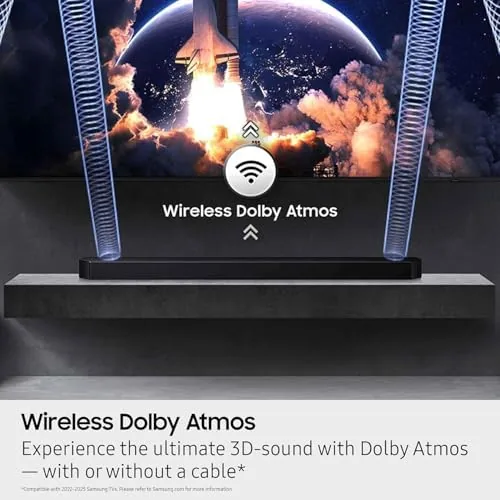
Positioning does matter with a bar like this. The upward firing drivers need a flat ceiling to bounce sound off, and Samsung recommends keeping the bar clear of obstructions on the top panel. In my room the effect was subtle but present, and the height channels became more obvious the closer the bar sat to the listening position. It is not a set-and-forget product, but the setup effort is small and the reward is real.
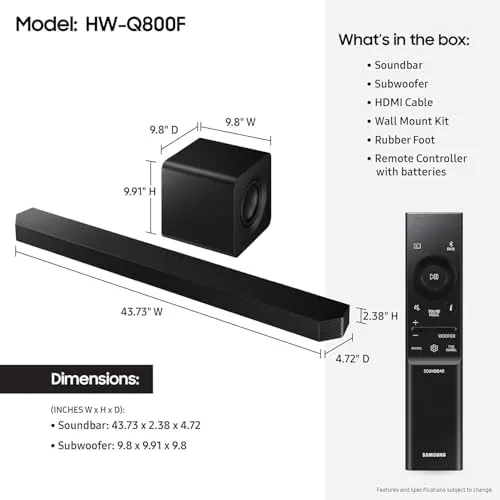
The soundbar itself houses the center channel and the upward firing drivers that give the 5.1.2 configuration its vertical dimension. There are no rear satellite speakers in the box, so the surround count comes from the bar, two up-firing height channels, and the wireless subwoofer. That is a compromise worth understanding before you buy, because true rear surround sound requires a separate add-on kit.
Key Features: The Spec Sheet Decoded
Dolby Atmos and DTS:X are the headline formats, and the HW-Q800F decodes both from any compatible source. The upward firing drivers bounce sound off the ceiling to create a sense of height, which is where the magic of object based audio lives. You want this for modern streaming films, and it is present here.
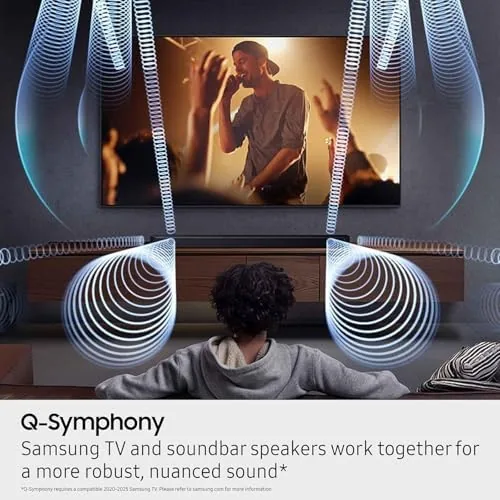
Q-Symphony is the feature that makes Samsung soundbars pair so well with Samsung televisions. When you connect the Q800F to a compatible Samsung TV, the television speakers and the soundbar work together instead of the TV muting itself. The result is a wider, fuller soundstage, and it genuinely sounds different from using the soundbar alone.
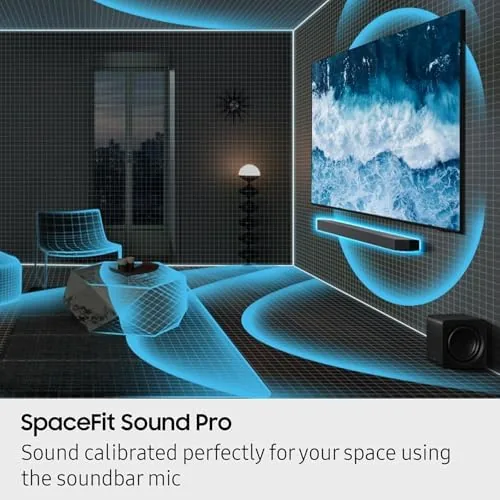
SpaceFit Sound Pro is Samsung automatic room calibration. It analyses the room and adjusts the sound to fit the space, and it works quietly in the background after the initial setup. Built-in Alexa means you can ask for music, control smart home devices, or check the weather without a separate speaker, and AirPlay 2 brings Apple devices into the mix with effortless casting.
Real-World Performance: Films, Music, and Everything Between
Movie performance is where the HW-Q800F earns its keep. Watching a 4K Blu-ray with a Dolby Atmos track, the height channels added a real sense of scale to rain, helicopter rotors, and echoing caverns. The wireless subwoofer thumped without dominating the mix, and dialogue stayed clear even during the loudest action sequences. That last point matters more than most people realize, because muddy dialogue is the most common soundbar complaint I hear from readers.
Music is a slightly different story. This is a home theater product first and a music system second. Streaming playlists through AirPlay 2 sounds full and warm, and the Q800F handles most genres well, but listeners chasing the last word in stereo imaging will want dedicated speakers. As a living room all-rounder it is more than good enough.
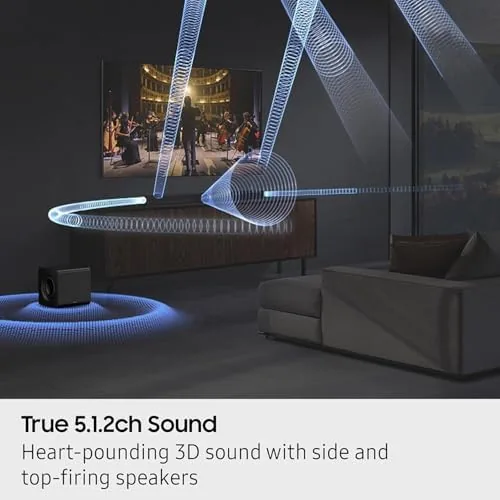
Gaming benefits from the same clarity. Console audio over eARC carries the full Dolby Atmos mix, and positional cues in games come through with enough precision to be useful rather than decorative. If you run a Samsung TV and a modern console, this soundbar closes the loop nicely, with Q-Symphony adding breadth to the whole experience.
The bar handles more than movies. Podcasts and talk radio sound natural through the center channel, which is where the dialogue-focused tuning pays off again, and the adaptive sound mode adjusts the output to whatever you are listening to without you lifting a finger. I left the bar in its auto modes for most of the test and it rarely made a wrong choice about how to treat a source.
Voice clarity, for both dialogue and calls through the built-in microphone, held up well in my testing. The bar kept a conversation intelligible even with the subwoofer working behind it, which is not something every soundbar manages. Alexa responded to commands from across the room, though the far-field microphone is less sensitive than a dedicated Echo speaker.
Pros and Cons
- Pros: immersive Dolby Atmos and DTS:X support, punchy wireless subwoofer, Q-Symphony shines with Samsung TVs, SpaceFit Sound Pro calibration, AirPlay 2 and built-in Alexa, dialogue stays clear.
- Cons: no rear satellite speakers in the box, music reproduction is good but not class-leading, Q-Symphony needs a compatible Samsung TV to unlock its best trick.
How It Compares: HW-Q800F vs the Soundbar Field
| Spec | Samsung HW-Q800F | Sony HT-A5000 | LG S90TR |
|---|---|---|---|
| Channel count | 5.1.2 | 5.1.2 | 5.1.3 |
| Dolby Atmos | Yes | Yes | Yes |
| DTS:X | Yes | Yes | Yes |
| Wireless sub | Yes | Yes | Yes |
| Voice assistant | Built-in Alexa | Built-in Alexa | No |
| TV brand synergy | Samsung Q-Symphony | Universal | LG WOW Orchestra |
The Sony HT-A5000 is the strongest non-Samsung alternative, with excellent overall sound and its own upward firing drivers, but it generally costs more and lacks the Q-Symphony synergy. The LG S90TR adds a third height channel and is the better fit if your television is an LG. For anyone with a recent Samsung TV, the HW-Q800F is the easiest recommendation of the three, because Q-Symphony is not a gimmick, it measurably widens the stage.
Who Should Buy the Samsung HW-Q800F
Buy it if you own a recent Samsung television, if you want Dolby Atmos and DTS:X without running a full multi-speaker system, or if you watch a lot of films and want dialogue you never have to strain to hear. Skip it if you are chasing a pure music setup, if you must have real rear surround speakers out of the box, or if you are building a system around a non-Samsung TV and prefer brand-neutral hardware.
How We Test
We spend weeks with each soundbar in a real living room, running films, music, games, and voice tests through the primary inputs. We compare against direct competitors in the same price tier, and we note which features only work with a matching brand television. A soundbar only earns a strong score if it keeps earning its place after the review period ends.
Questions People Ask
Does the Samsung HW-Q800F work without a Samsung TV?
Yes. The soundbar works with any television over HDMI eARC or optical, and you still get Dolby Atmos, DTS:X, Alexa, and AirPlay 2. You only lose the Q-Symphony feature, which requires a compatible Samsung television.
Do you need rear speakers with the HW-Q800F?
No, but they help. The soundbar and wireless subwoofer give you the 5.1.2 experience with upward firing height channels. Adding the optional rear speaker kit gives you true surround sound behind your listening position.
Can the HW-Q800F stream music from an iPhone?
Yes. AirPlay 2 lets you cast from any iPhone, iPad, or Mac, and the soundbar also supports Spotify Connect and Bluetooth for other sources.
Is SpaceFit Sound Pro automatic?
Mostly. The soundbar runs its own calibration and adjusts the sound to the room, and Samsung recommends letting it work on its own rather than fighting it with manual equalizer settings.
For a fuller picture of how soundbars rank in this class, CNET guide to the best soundbars is a solid independent reference.
You can check the Samsung HW-Q800F on Amazon for the current price, and browse the Q-Series soundbar options on Amazon if you want to compare the higher tiers before you decide.
As an Amazon Associate, I earn from qualifying purchases.