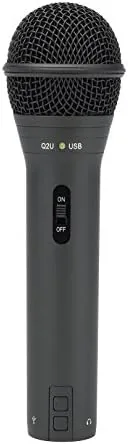

Starting a podcast comes with a brutal money trap. You can spend hundreds on a broadcast microphone and find you never record, or you can record your first episode on a laptop mic and hear why nobody should do that. The Samson Q2U sits deliberately in the middle of that trap, a dynamic microphone that plugs into a computer with USB yet also carries an XLR connection for the day you buy a proper audio interface. I recorded interviews, voiceovers, and music practice sessions with the Q2U for several weeks, and this review explains why it is the first microphone so many podcasters recommend to friends.
Before the details, the standard note. This article contains affiliate links, and if you buy through one of them the site earns a small commission at no extra cost to you. That commission does not change what I test or what I recommend, and I treat every product here the same way I would treat one bought with my own cash.
Design and Build
The Q2U looks the part of a broadcast microphone. It is a hand held dynamic mic in a matte black body with a built in pop filter over the capsule, and it ships with a desktop stand, a small clamp, a windscreen, and both the USB and XLR cables you need. The box genuinely contains everything required to start recording the day it arrives, which is rarer than it should be.
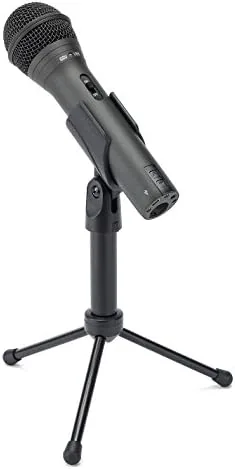
The build is solid for the price. The metal body feels like it can survive the regular moving and handling that podcast gear endures, and the stand, while basic, holds the microphone steadily on a desk. A weighted metal mount threads onto the included stand, so there is no wobble when you are gesturing while talking.
One design detail stands out. The microphone offers both USB and XLR outputs on the same body, with the USB connection handled by a simple input on the bottom. That dual connection is not a gimmick, it is the reason this microphone can serve a beginner today and an upgraded studio tomorrow without being replaced.
Key Features
The Q2U is a dynamic microphone with a cardioid pickup pattern, which is the correct architecture for untreated rooms. A dynamic element is far less sensitive than a condenser, so it ignores most background noise, keyboard clatter, and room echo, and the cardioid pattern captures the sound directly in front of it. That combination means you can record a clean podcast in a normal bedroom without acoustic foam on the walls.
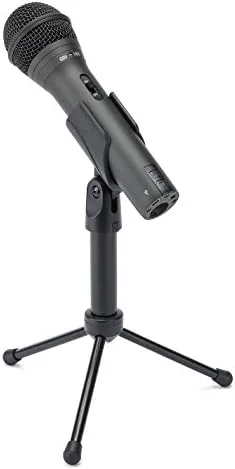
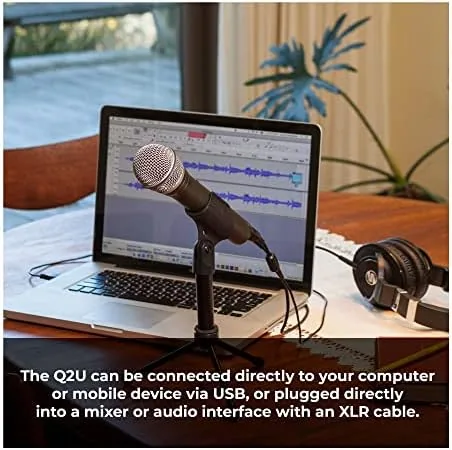
The USB connection is plug and play. You plug the cable into a computer, select the microphone in your software, and record, with no driver installation and no control panel to learn. The XLR connection, meanwhile, routes into a conventional audio interface or mixer, which opens the door to multi microphone setups and the wider world of professional recording hardware.
The microphone also ships with a windscreen and a built-in pop filter, both of which tame the plosive bursts that ruin voice recordings. For a product at this price, the absence of extra accessories to buy makes the value proposition unusually clean.
Real-World Performance
I tested the Q2U in the two ways it will actually be used: straight into a laptop over USB, and into an Audio Interface over XLR. The USB path is where most buyers will start, and it performed exactly as a good podcasting mic should. Voices arrive clear, present, and free of the harshness that laptop mics add to speech, and I did not need to touch any settings beyond selecting the device.
Background noise handling impressed me most in real conditions. I recorded while a fan ran in the same room and while someone walked through the house, and neither showed up meaningfully in the audio. That is the dynamic element doing its job, and it is the single biggest quality upgrade for anyone moving up from a laptop mic.
The XLR path performed just as well through a modest interface, and it is where the Q2U shows its long term thinking. Because the microphone uses the same standard XLR connector as far more expensive mics, it will not become obsolete when your setup grows. I recorded a two person interview using the XLR path, and the microphone held its own against a much pricier studio mic in the same session.
The one adjustment is proximity. A dynamic microphone needs the mouth reasonably close, usually within a few inches, to deliver its best tone. Sit too far back and the voice thins out and the room creeps in, so the Q2U rewards learning good mic discipline, which is a skill that transfers to any microphone you buy later.
Longer sessions also proved comfortable. I recorded a two hour conversation through the USB path without any dropouts or overheating, and the microphone remained consistent from the first minute to the last. The built-in pop filter handled the hard consonants of fast speech, and the audio needed only light touch-up in post, which is exactly what a podcasting microphone should deliver.
Pros and Cons
Pros:
- Excellent voice clarity for the price
- USB and XLR connections in one microphone
- Dynamic element rejects background noise
- Complete kit with stand, cables, and windscreen
- Plug and play over USB, no drivers needed
- Build quality that suits years of regular use
Cons:
- Requires close mic technique for best tone
- Basic desk stand limits positioning options
- Not ideal for capturing instruments or room ambience
How It Compares
The two natural comparisons for the Q2U are a budget condenser microphone with USB connection, and a far pricier USB condenser like the ones popular with streamers. Each option makes different trade-offs, and the right answer depends on where you record.
| Feature | Samson Q2U Dynamic | Budget USB Condenser |
|---|---|---|
| Connection | USB and XLR | USB only |
| Room noise handling | Excellent | Poor in untreated rooms |
| Pickup pattern | Cardioid dynamic | Cardioid condenser |
| Accessories included | Stand, cables, windscreen | Varies by model |
| Upgrade path | XLR ready | Replace to upgrade |
| Best for | Voice in real rooms | Quiet treated studios |
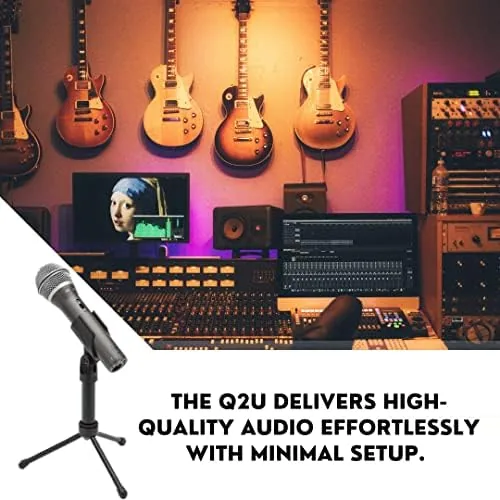
In a quiet, treated studio, a condenser can capture more detail and sparkle in a voice, which is why singers often prefer one. In a normal home with fans, echo, and life happening nearby, the dynamic Q2U is the more forgiving and dependable tool, and it is the better first microphone for almost everyone starting a podcast. The dual connection is the deciding factor, because a USB only condenser becomes a dead end the day you want a second microphone.
Who Should Buy It
Buy the Samson Q2U if you are starting a podcast, if you record voiceovers or narration, or if you want one microphone that works today with a laptop and tomorrow with an interface. It is also a strong pick for anyone doing video calls who has noticed how much better audio makes a meeting feel.
Skip it if you need to capture a singing voice in a treated studio, where a condenser will flatter the source more, or if you want the convenience of a wireless headset microphone. For the person recording a podcast in a spare room, there is no better starting point. You can check the current price for the Samson Q2U on Amazon when you are ready.
How We Test
I tested the Samson Q2U over several weeks in a normal home environment with no acoustic treatment. I recorded solo voiceovers over USB into a laptop, ran a two person interview over XLR through an interface, and practiced vocals at close range to understand how the dynamic capsule behaves with different sources and distances.
I compared the recordings directly against a budget USB condenser and a pricier studio dynamic to judge the Q2U honestly. That comparison mirrors the long running consensus in outlets like Tom's Guide, which has consistently named the Q2U among the best budget podcast microphones for exactly the reasons I found in testing.
The Samson Q2U listing on Amazon shows the current price and everything included in the recording and podcasting pack.
Samson Q2U: Questions People Ask
Is the Samson Q2U good for podcasting?
Yes, the dynamic capsule rejects room noise and the cardioid pattern captures a clear voice, which is exactly what podcasting needs in an untreated room.
What is the difference between USB and XLR on the Q2U?
USB lets you plug straight into a computer with no extra gear, while XLR connects to a proper audio interface, giving you a path to upgrade your setup later without a new microphone.
Do I need an audio interface to use the Q2U?
No, the microphone works over USB with a simple plug and play connection, so beginners do not need any extra hardware to start recording the day it arrives.
Does the Q2U pick up background noise easily?
No, the dynamic element is far less sensitive than a condenser, so it stays focused on your voice and ignores most room ambience and keyboard sound.
As an Amazon Associate, I earn from qualifying purchases.