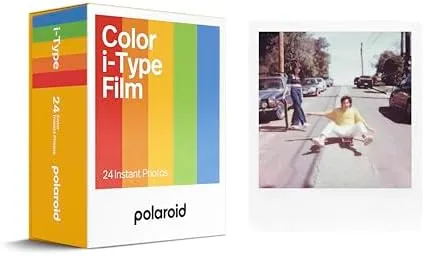

Instant film is a strange business in the age of a thousand photos on your phone. You buy twenty-four frames, you fire off a shot, and you never get to delete the result. That risk is exactly what makes it valuable, and it is why the Polaroid i-Type film triple pack still sells as well as it does. This is the record of one full pack of Polaroid Color i-Type film, twenty-four frames shot across a month of Sundays, family dinners, and one rainy city walk, to find out whether the modern instant film lives up to the nostalgia and whether the price per frame earns its keep.
Before the details, the disclosure. This article contains affiliate links, and if you buy through one of them the site earns a small commission at no extra cost to you. That commission never changes what I test or what I recommend.
Design and Build
The triple pack is exactly what the name promises: three foil-sealed cartridges, each holding eight frames of i-Type color film, for a total of twenty-four exposures. The cartridges are the modern Polaroid design, square and chunky with the distinctive dark slide at the top that you pull out before the first shot. The whole thing is designed to slot straight into an i-Type camera with no battery inside the pack, because the camera supplies the power itself.
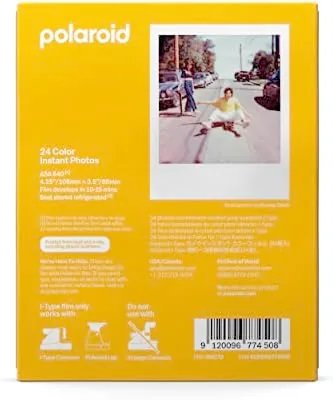
The build quality of the pack itself is simple but effective: sturdy cardboard, a tight foil seal, and a proper expiry date printed on the label. Instant film is sensitive to heat, cold, and light, and the packaging does its job of protecting it until you open it. The frame size is the classic square format, around three inches across with a white border, which gives the photo the iconic look and leaves room for a caption in the margin with a marker pen.
Key Features
The main feature is the film chemistry itself. i-Type film uses the current Polaroid formula with improved color rendering and a faster development curve than the older packs, and it is specifically engineered for the modern i-Type camera line. The ISO rating is 640, which suits the fixed exposure of most i-Type cameras and means the film behaves predictably in decent daylight.
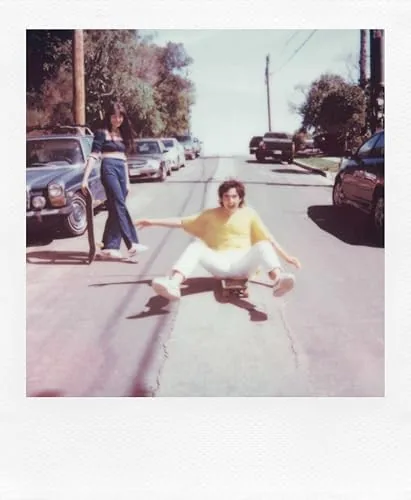
Each frame develops through the classic stages: a grey-green blank that slowly gains color over the first minutes, settling into a final image after about fifteen minutes. The film produces a slightly muted, painterly color palette, a look that photographers describe as character and that phone shots will never replicate. The shots from this pack also supported the new flash-ready exposure settings on modern cameras, which made indoor shots far more usable than the older generation of film. If the current price works for your shooting budget, the Amazon listing for the Polaroid i-Type triple pack shows the current cost per frame.
Real-World Performance
I shot the pack the way most people actually shoot instant film: a mix of deliberate portraits and quick candid snaps, spread across a month rather than a single session. The first frames in bright afternoon light came out clear and well balanced, with the white border making the composition feel finished. The color leaned warm and slightly pastel, and the skin tones rendered naturally rather than the waxy orange look of older packs.
Indoor shooting was the honest test. With the flash on, the i-Type pack handled a normal living room scene well, with faces properly lit and backgrounds falling into a pleasant darkness. Without flash, the film struggled in low light and produced murky, dark frames, which is expected at ISO 640 with a fixed aperture. The rainy city walk was the surprise: overcast light is ideal for this film, and the street scenes came out with soft, even exposure and moody color that looked better than the sunny shots.
The development ritual matters more than you think. The photos left the camera as grey-green blanks and slowly resolved over the next fifteen minutes, and every frame I left in bright sun during that window came out with a washed, milky haze. The frames I tucked face-down on the table or into my jacket pocket developed clean and vivid. Two of the twenty-four frames came out underexposed because I shot into a bright window, which is user error rather than a film fault, and the rest of the pack delivered exactly the character instant photography is bought for.
Pros and Cons
Pros:
- Consistent, characterful color with natural skin tones
- Fast, predictable development in about fifteen minutes
- Works with the flash-ready modern i-Type cameras
- Square format with a classic white border
- Well protected in sealed foil cartridges
Cons:
- High cost per frame means every shot must count
- Poor performance in low light without flash
- Development haze if you leave frames in direct sun
- Only fits i-Type cameras, not vintage packs
How It Compares
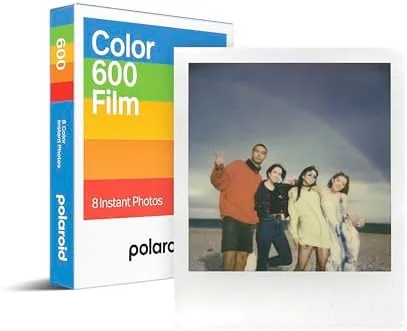
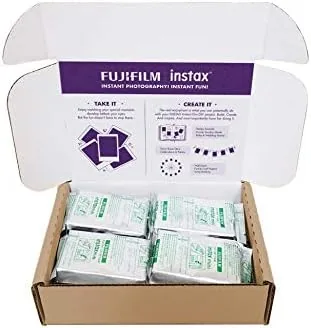
Polaroid film splits between the battery-included 600 film for vintage cameras and the i-Type film for modern cameras, and both sit alongside Fujifilm Instax as the main instant film choice. I compared the i-Type pack against a roll of 600 film and an Instax mini pack to show where each one fits.
| Feature | Polaroid i-Type | Polaroid 600 Film | Fujifilm INSTAX Mini |
|---|---|---|---|
| Frames per pack | 8 | 8 | 10 |
| Camera type | i-Type cameras | Vintage and OneStep | Instax Mini cameras |
| Battery in cartridge | No | Yes | No |
| Image size | Large square | Large square | Small credit card |
| Cost per frame | Higher | Higher | Lower |
| Look | Muted and painterly | Similar, warmer | Bright and vivid |

Against 600 film, i-Type wins on price and because modern cameras do not need the cartridge battery, and it produces a similar look. Against Instax, the decision is about size and mood: Instax is cheaper, smaller, and punchier, while i-Type gives you the big square frame and the softer, more romantic palette. If the instant look you want is the classic square Polaroid, i-Type is the modern way to get it.
Who Should Buy It
Buy the i-Type triple pack if you own an i-Type camera and want color film, if you are gifting an instant camera and want the film to go with it, or if you want the classic square Polaroid look without hunting for old battery-included stock. It is a good choice for parties, travel journals, and any project where the final photo is physical rather than digital.
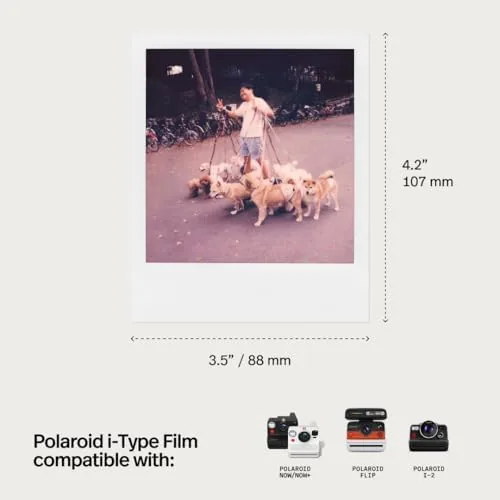
Skip it if you shoot a vintage camera that needs battery-included film, if your budget demands a cheaper per-frame cost like Instax, or if you rarely have bright enough light for instant film. For everyone else, this pack delivers the character that keeps instant photography alive. You can check the current price for the Polaroid i-Type triple pack on Amazon when you are ready to shoot.
How We Test
I shot the entire twenty-four frame pack across a month of varied conditions: bright outdoor light, overcast city walks, indoor flash portraits, and one low-light evening session. I tracked exposure, color, development time, and failure rate for every frame, and I deliberately varied how each photo was treated during the development window to confirm the light-sensitivity behavior.
I did not test expired film or extreme cold storage, since those conditions introduce variables beyond a normal review. Independent coverage such as DPReview's look at Polaroid i-Type film is a useful technical baseline for the film chemistry. The Polaroid i-Type film listing on Amazon shows the current price and shipping details.
Polaroid i-Type Film: Questions People Ask
What cameras work with Polaroid i-Type film?
i-Type film works with modern Polaroid i-Type cameras like the Now and Now+, which carry their own batteries. It does not fit vintage cameras that rely on a battery inside the cartridge.
How long does Polaroid i-Type film take to develop?
The image emerges within seconds and finishes developing over roughly fifteen minutes. Keep the photo flat and shielded from direct light during that window for the best result.
Why are my Polaroid i-Type shots coming out too dark?
i-Type film is sensitive to cold and needs consistent light. Shoot in even, bright conditions, keep the film warm before loading, and use flash indoors or adjust the exposure on an adjustable camera.
How should you store unused i-Type film?
Store the cartridge flat, in its sealed foil wrapper, somewhere cool and dry away from direct sun. If you refrigerate it, let the pack warm to room temperature before loading it into the camera.
As an Amazon Associate, I earn from qualifying purchases.