 KODAK CHARMERA Keychain Camera clipped to a tote bag showing its tiny size" width="1200" height="800" loading="lazy" style="height:auto">
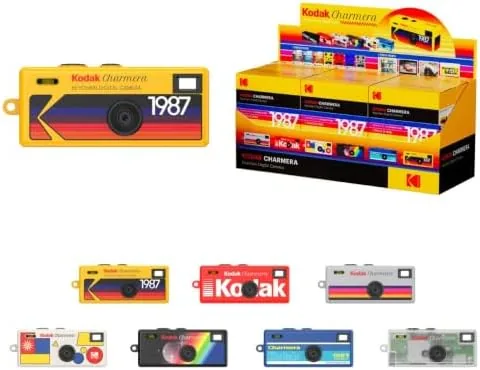
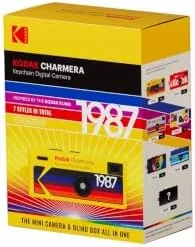
There is a strange and wonderful trend in photography right now: grown adults are going back to the tiny, lo-fi digital cameras of the early two thousands, and they are doing it on purpose. The KODAK CHARMERA fits neatly into that revival, except it shrinks the whole concept down to the size of a keychain fob and wraps it in a surprise box. This miniature camera weighs almost nothing, clips onto a bag like a charm, and captures real photos and video at 1.6 megapixels onto a micro SD card. It is sold as a blind box, so you do not know which color or design you are getting until you tear it open, and that single choice turns a simple gadget into something people actually want to trade, collect, and share.
I carried a CHARMERA for two weeks, shot photos at a market, recorded clips on a train, and gave one to a teenager to see how a genuine first camera holds up. Before the details, the standard disclosure: this article contains affiliate links, and if you buy through one of them the site earns a small commission at no extra cost to you. That commission never changes what I test or what I recommend.
Design and Build
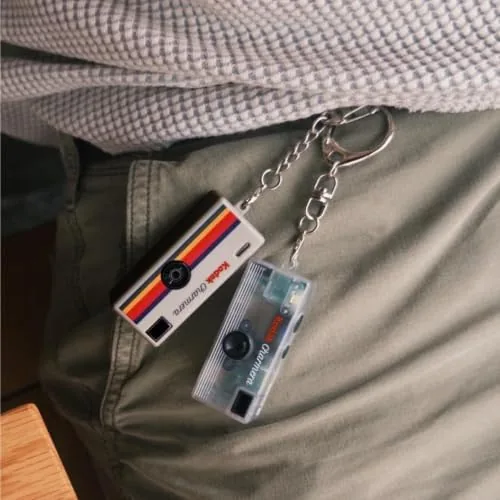
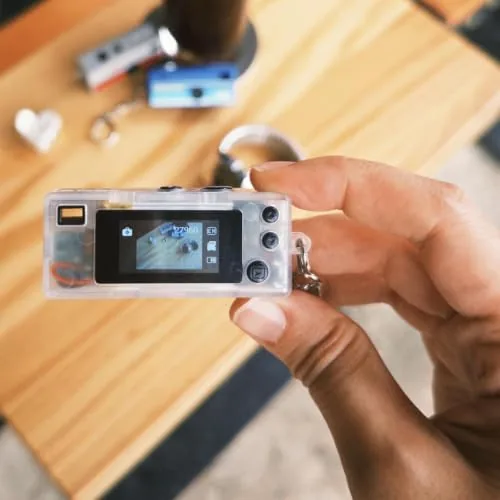
The CHARMERA is genuinely tiny, roughly the size of two stacked postage stamps, and it slips into the palm of a closed hand without a trace. The body is plastic but solidly assembled, with a small lens on the front, a shutter button and mode switch on the top, and a micro USB port for charging hidden behind a flap. The back holds a minimal viewfinder area and the micro SD slot, and the whole thing hangs from a lanyard that doubles as the bag charm loop.
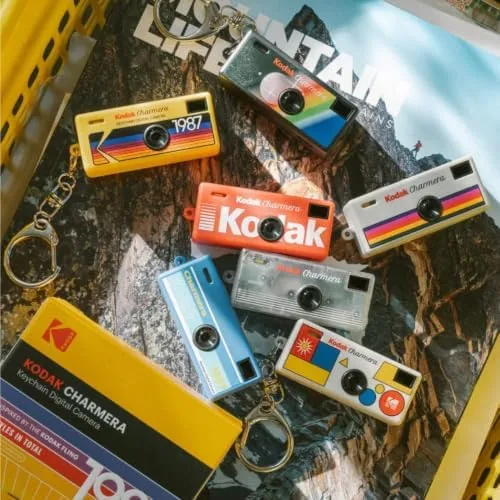
Because the unit is a blind box, the shell color is a surprise, but the design language is consistent: a rounded, toy-like body that reads as friendly rather than serious. It is clearly built to be carried, clipped to a backpack zipper or dangling from a purse handle, and the plastic shell shrugs off the bumps and jostles of daily bag life without a mark. The lanyard is sturdy enough to hang the camera, though it will not survive being used as a climbing rope, and the clip closes securely around zipper pulls.
Controls are admirably simple for the audience this serves. There is a shutter button for stills, a button that toggles between photo and video mode, and little else to get in the way. A small indicator light shows when the camera is charging or recording, and a modest speaker beeps to confirm a shot. Nothing here will intimidate a first-time user, which is exactly the point of a camera aimed at beginners, teens, and adults who want the fun without the manual.
Key Features
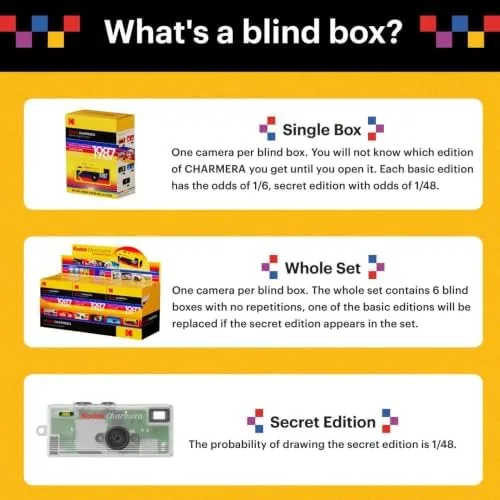
The headline feature is the blind box format itself. Each single box contains one surprise camera, and because colors and designs vary, opening one becomes a small event. That format makes the CHARMERA a natural gift, a party favor, or a collector's item for anyone who wants a whole keychain family in different shades. It also creates a social loop: people photograph with it, trade the results, and compare which color they pulled.
Under the cute shell there is a real miniature camera. The 1.6 megapixel sensor captures stills with that grainy, nostalgic digicam look that the current photo trends adore, and the video mode records short clips with the same lo-fi character. Everything is stored on a micro SD card, which you can remove and read with any card reader, so getting photos off the camera takes seconds and needs no proprietary app. The camera charges over micro USB, which is a familiar cable for most households.
There is no flash and no zoom, and that is by design rather than oversight. The camera encourages you to shoot in daylight or well-lit rooms and to frame with your feet, which keeps the experience simple and the results honest. It also means there is no setup barrier: put in a micro SD card, charge it, and you are shooting within minutes. For a current look at the price and the blind box options, the Amazon listing for the KODAK CHARMERA keychain camera is a useful reference.
Real-World Performance
Setup took under five minutes. I slid a micro SD card into the slot, charged the camera for about an hour over micro USB, and it was ready. The camera does not come with a card in the box, so a micro SD card is a required extra purchase, but they are inexpensive and most drawers contain a spare. Once the card was in, the camera behaved exactly as promised.
Photo quality is best described as charmingly lo-fi. In bright daylight, the CHARMERA produced images with soft focus, strong color, and that unmistakable early-digicam grain that photographers today pay filters to imitate. In lower light the grain thickens noticeably, but the result stays usable and, in the right mood, genuinely appealing. The videos are short and similarly textured, with the file saved straight to the card. If you want crisp, high resolution images, this is not the tool, but if you want the aesthetic and the fun, it delivers.
Battery life proved dependable for the casual rhythm of the device. A single charge lasted across a full day of occasional shooting and several short video clips, and the charging flap and indicator light kept the process painless. The micro SD workflow was the highlight: I pulled the card, plugged it into a reader, and had photos on my phone in a minute. The one quirk is that the camera only stores what you record, so a full card requires either deleting files through a reader or swapping in a fresh one, a minor step that matters for heavy shooters.
Pros and Cons
Pros:
- Genuinely pocketable, lighter than a phone
- Blind box format makes it a fun gift and collectible
- Real photos and video stored on a micro SD card
- Simple controls that a child or teen can master in minutes
- No app required to get your photos off the camera
- Lo-fi aesthetic matches current photo trends
Cons:
- 1.6 megapixel sensor produces soft, grainy images
- No flash, zoom, or display screen
- Blind box means you cannot choose the color
- Micro SD card is not included
- Weak in low light and indoors
How It Compares
The CHARMERA sits at the toy end of a spectrum that runs from phone cameras through dedicated point-and-shoots to the mini digicams of the current revival. I compared it against shooting on a phone and against a larger budget point-and-shoot camera to place it honestly.
| Feature | KODAK CHARMERA | Smartphone Camera | Budget Point-and-Shoot |
|---|---|---|---|
| Size | Keychain charm | Phone sized | Pocket sized |
| Resolution | 1.6 megapixels | 12 to 50 megapixels | 16 to 24 megapixels |
| Photo character | Lo-fi and grainy | Sharp and processed | Clean and detailed |
| Screen | None | Full display | Rear screen |
| Ease for kids | Extremely simple | Complex | Simple |
| Price | Very low | High | Mid range |
Against a smartphone, the CHARMERA loses on every technical measure, but it wins on the experience: a phone camera feels like a utility, while the CHARMERA feels like a possession, something to collect and show off. Against a budget point-and-shoot, it loses on resolution and flexibility but wins on portability and charm. The honest read is that the CHARMERA is not competing with either of them on image quality. It competes on fun, on the surprise of the box, and on giving a beginner a real camera they can actually own and understand. For that purpose it has no real rival at this price.
Who Should Buy It
Buy the CHARMERA if you want a first camera for a child or teen that teaches the basics of framing and shooting without the risk of an expensive phone, if you collect lo-fi cameras or bag charms, or if you need a small, affordable gift that arrives with genuine excitement built in. It also suits adults who want a distraction-free camera for notes, memory keepsakes, or a deliberate aesthetic.
Skip it if you need sharp photos, video longer than short clips, or a screen to frame your shots, and skip it if the surprise of a random color is a deal breaker rather than a delight. For everyone else, this is one of the most genuinely fun little cameras you can buy. You can check the current price for the KODAK CHARMERA on Amazon when you are ready to take your chances on the box.
How We Test
I carried the CHARMERA clipped to a bag for two weeks and shot on a mix of bright market days, overcast afternoons, and evening commutes. I captured stills in each condition, recorded several short video clips, and timed the full workflow from shot to transfer: card out, reader in, photos on a phone.

I drained the battery once to measure charging time and ran it through a full day of casual use to confirm it lasted. I did not test the camera for weather resistance or drop survival beyond normal bag handling, and I did not test every color variant since the box is a surprise by design. For broader context on the lo-fi digicam trend and how these cameras fit the wider camera market, coverage from PCMag's picks for compact digital cameras is a useful place to see where mini cams sit. The KODAK CHARMERA listing on Amazon shows the current price and box options.
KODAK CHARMERA: Questions People Ask
How do I get the photos off the KODAK CHARMERA camera?
The camera stores images on a micro SD card, and you remove the card and read it with any card reader to transfer the photos to your phone or computer in about a minute.
Does the CHARMERA record video?
Yes. The mini camera has a video mode that records short clips, and both photos and video are saved to the micro SD card with that lo-fi, grainy character the camera is known for.
What is in the KODAK CHARMERA blind box?
Each single box contains one surprise keychain camera, and because it is a blind box you do not know the exact color or design until you open it, which is the point of the format.
Is the CHARMERA a toy or a real camera?
It is a real miniature digital camera that captures genuine photos at 1.6 megapixels and video clips, but its small sensor and simple controls make it best suited to casual, playful, and beginner use.
As an Amazon Associate, I earn from qualifying purchases.