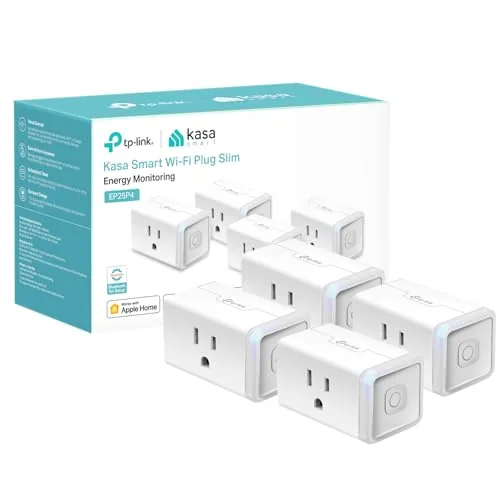

Apple HomeKit has long been the premium lane of the smart home, with most HomeKit certified devices carrying a price premium that punishes anyone trying to automate a whole house. The Kasa Smart Plug Mini 15A, model EP25P4, wants to change that arithmetic. It brings native HomeKit support, a 15 amp rating, and hub free WiFi operation together in a compact plug that sells for a fraction of what most HomeKit competitors charge. After two weeks of running a set of them through lamps, fans, a space heater, and daily voice commands, I have a clear picture of what this plug delivers and where it cuts corners.
Before the details, the standard note. This article contains affiliate links, and if you buy through one of them the site earns a small commission at no extra cost to you. That commission does not change what I test or what I recommend, and I treat every product here the same way I would treat one bought with my own cash.
Design and Build
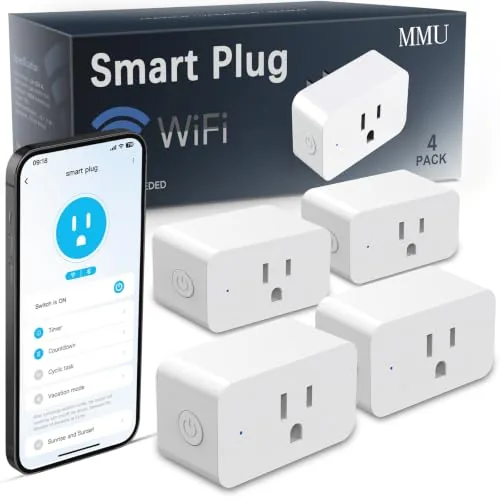
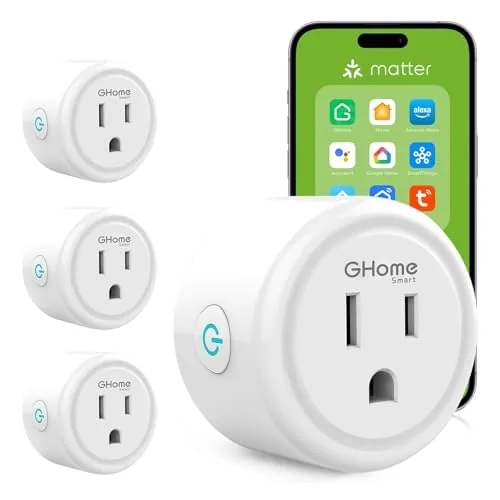
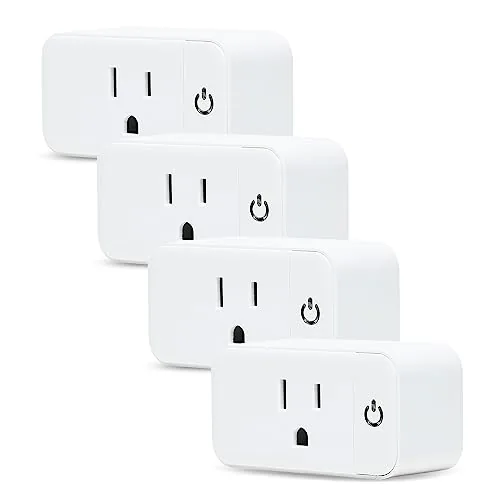
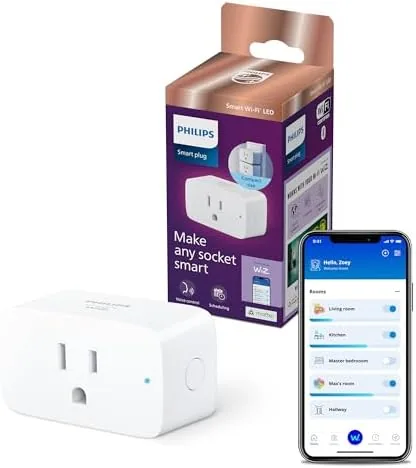
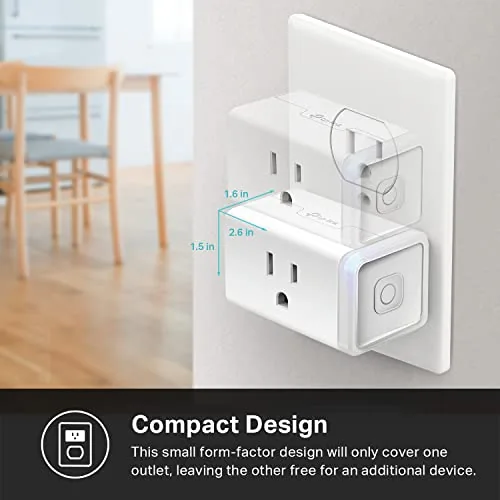
The EP25P4 has the classic smart plug silhouette: a white rectangular body with a three prong plug on one side and a single receptacle on the face. What sets this model apart is how compact it is. The body stays flush against the outlet and, crucially, does not block the second socket, which is the quiet annoyance that ruins most smart plugs on a shared wall outlet. In a two socket plate I ran one plug on top and one below with no interference, which is more than I can say for several bulkier competitors.
Build quality feels solid for the price. The casing is dense plastic with no flex, the prongs seat firmly, and the small button on the side gives a crisp click for manual on and off control. That button matters more than it seems, because it lets you control the plug when you are too far from a phone or when you simply want a physical switch. The plug is UL certified and rated for 15 amps, which is higher than the 10 amp rating common on budget plugs and means it can handle heavier loads such as a space heater or a window air conditioner within its stated limits.
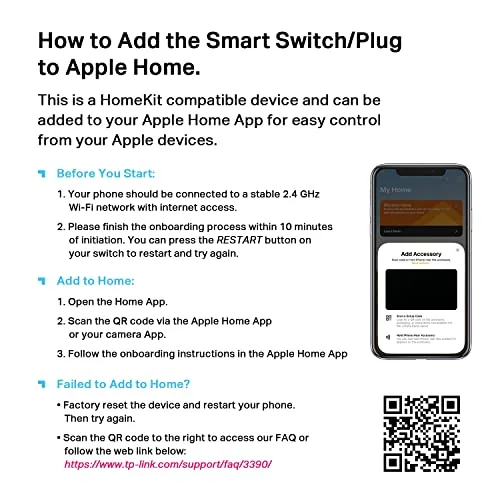
Setup follows the standard Kasa flow. You screw the plug into the outlet, open the Kasa app, and the app walks you through connecting it to your 2.4GHz WiFi network. The one thing to know before you start is that the plug will not work on a 5GHz network, so a router broadcasting a combined network name may need a moment of attention during setup. Once it is connected, the plug appears in the app, and from there the HomeKit pairing takes seconds through a QR code scan.
Key Features
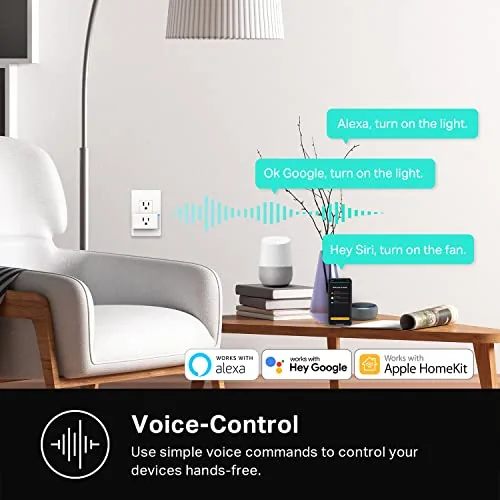
The headline feature is Apple HomeKit support, which is rare at this price point. In the Apple Home app the EP25P4 shows up as a native HomeKit accessory, which means it responds to Siri voice commands, appears in scenes and automations alongside your other HomeKit devices, and works with your existing Home settings including automations that run when you arrive home or go to sleep. It even supports the Home app's ability to trigger accessories from an Apple TV, HomePod, or iPad acting as a home hub.
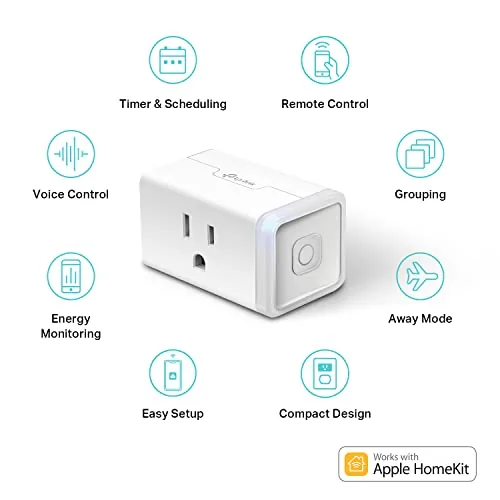
Beyond HomeKit, the plug works with Alexa and Google Home, so it fits homes that are not locked into Apple. The Kasa app itself is straightforward and dependable, offering app control, scheduling, timers, and an away mode that toggles the plug to mimic human presence while you travel. The schedule system lets you set daily or weekly on and off times, and the timer handles short duration counts, which is useful for a lamp you want to turn off after an hour of reading.
Everything runs over WiFi directly, with no hub required, which keeps the cost low and the setup simple. You do give up local control on a network outage, because the plug depends on your router and on cloud based scheduling to work, but that is a trade off shared by virtually all budget smart plugs and one most buyers accept happily.
Real-World Performance
I ran the EP25P4 through two weeks of ordinary use and the reliability was the standout result. Voice commands to Siri, Alexa, and Google all executed within a second or two, and the plug never dropped off the network once it was paired, which is a stronger record than many higher priced plugs in my experience. Command response over HomeKit felt snappy, and the plug kept its state through brief router restarts without needing a re-pair.
Load handling impressed me most. I ran a 1500 watt space heater through the plug for several hours at a time, and the plug stayed cool and stable, with the app reporting the schedule reliably through every cycle. The 15 amp rating is not just a marketing number; it gives genuine headroom that cheaper 10 amp plugs lack. For lights, a box fan, a sound system, and the heater, the EP25P4 never stumbled, which is the full job description of a smart plug.
The honest weaknesses are small but worth noting. The Kasa app and the Apple Home app each maintain their own device view, so a scene created in one is not automatically mirrored in the other, and you manage schedules in the Kasa app rather than in Home. The plug also lacks energy monitoring, so you will not get wattage readouts in the app the way you would from pricier models. Neither omission broke my workflow, but buyers who want detailed usage data should know the EP25P4 does not offer it.
Pros and Cons
Pros:
- Native Apple HomeKit support with Siri and Home app access
- 15 amp rating and UL certification for heavier loads
- Compact body that does not block the second outlet
- Works with Alexa, Google Home, and the Kasa app
- No hub required, with easy QR code pairing
Cons:
- No energy monitoring for usage data
- Requires a 2.4GHz network, which can complicate setup
- Cloud dependent, so it will not respond during an internet outage
- App and Home scenes are managed separately
How It Compares
The EP25P4 sits in a crowded field of budget plugs, and its HomeKit support is the main differentiator. Comparing it against a standard Kasa model, a generic Alexa plug, and a premium HomeKit plug clarifies what you get for the money.
| Feature | Kasa EP25P4 | Kasa EP25 (non HomeKit) | Generic WiFi plug | Premium HomeKit plug |
|---|---|---|---|---|
| Apple HomeKit | Yes | No | No | Yes |
| Amp rating | 15A | 15A | 10A | 15A |
| Energy monitoring | No | No | Often no | Yes |
| Hub required | No | No | No | Varies |
| Typical price | Low | Lowest | Low | Highest |
A non HomeKit Kasa plug costs a little less and adds nothing for Apple users, a generic plug saves a few dollars but drops reliability and HomeKit, and a premium HomeKit plug adds energy monitoring and slicker software at two or three times the price. The EP25P4 lands in the sensible middle for anyone in the Apple ecosystem: you pay slightly more than the base Kasa for real HomeKit support, and you skip the premium upcharge for features you may not need.
Who Should Buy It
The EP25P4 is for anyone who wants their smart home to answer Siri without paying the HomeKit tax on every outlet. It is the right buy for a bedroom lamp, a living room floor lamp, a space heater in a drafty office, or a fan you want to run on a timer, and it fits a Whole Home budget because the per outlet cost stays low. It is equally suited to first time smart home buyers who want one ecosystem, the Kasa app, that covers plugs, switches, bulbs, and cameras.
Skip it if you specifically need energy monitoring reports, if your home runs entirely on a 5GHz only network, or if you want a plug that keeps working during a power cut or internet outage, because the EP25P4 depends on your router and the cloud. For everyone else, this is a dependable, inexpensive way to make everyday appliances voice controlled. You can check the current Kasa Smart Plug Mini price on Amazon when you are ready to buy.
How We Test
I tested a four pack of the EP25P4 across two rooms for two weeks, pairing them with the Kasa app, the Apple Home app, and a HomePod mini as the home hub. I controlled the plugs with Siri, Alexa, and Google voice commands and with the app buttons to compare response across assistants.
I loaded one plug with a 1500 watt space heater for repeated hour long cycles to verify the 15 amp rating under sustained use, and I ran a lamp on a daily schedule and a fan on a timer to confirm scheduling accuracy. I also tested the away mode, verified the plug survived router restarts, and checked that the second socket stayed usable in a shared outlet.
For a broader look at how smart plugs perform across brands, CNET's guide to the best smart plugs offers useful independent context. My own verdict is simpler: the EP25P4 is the best value HomeKit smart plug I have tested at this price, with a couple of small feature gaps.
The Kasa Smart Plug Mini EP25P4 listing on Amazon shows the current price and the pack size available.
Kasa Smart Plug Mini EP25P4: Questions People Ask
Does the Kasa Smart Plug Mini EP25P4 work with Apple HomeKit?
Yes. The EP25P4 supports Apple HomeKit, so it works with Siri voice commands and appears in the Apple Home app alongside your other HomeKit devices, and it responds to scenes and automations from a home hub.
Does the Kasa Smart Plug Mini EP25P4 need a hub?
No. The plug connects directly to your 2.4GHz WiFi network, so there is no hub or bridge required to use it with the Kasa app, Alexa, or Google Home.
Can the Kasa Smart Plug Mini handle 15 amps?
Yes. The plug is rated for 15A and UL certified, which makes it suitable for higher load appliances such as space heaters and window air conditioners within their own limits.
Is the Kasa Smart Plug Mini EP25P4 worth buying?
For anyone building a HomeKit smart home on a budget, the EP25P4 is one of the most affordable ways to add voice control and scheduling, so it is a solid value if you do not need energy monitoring.
As an Amazon Associate, I earn from qualifying purchases.