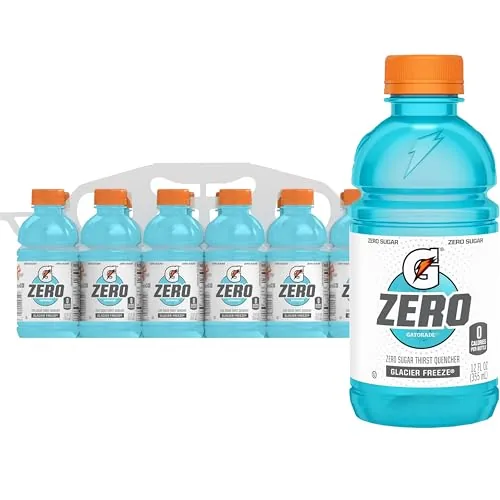

Sports drinks have a sugar problem, and Gatorade built its name on that sugar. The original formula packs more than twenty grams of it into every bottle, which is fine for a marathon finish but a lot for an afternoon walk. Gatorade Zero Sugar is the company's answer, a version that keeps the electrolytes and the flavor while dropping the sugar to zero, and Glacier Freeze is the flavor people keep talking about. I spent a month testing a case of these 12 ounce bottles through hot weather runs, gym sessions, and long days to find out whether a zero sugar sports drink actually hydrates, and whether it tastes like a compromise.
Before the details, the standard note. This article contains affiliate links, and if you buy through one of them the site earns a small commission at no extra cost to you. That commission never changes what I test or what I recommend.
Design and Packaging
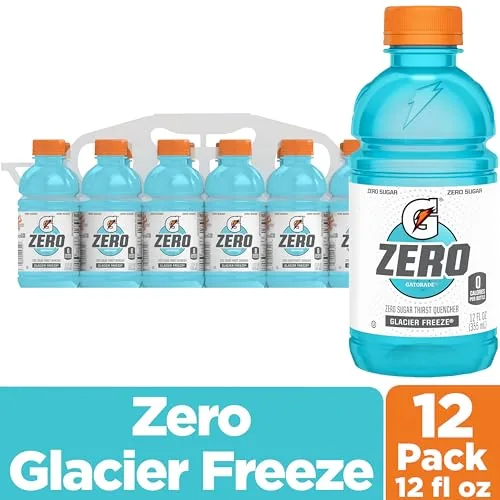
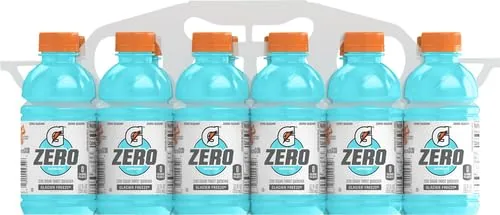
The bottle is the classic Gatorade squeeze bottle in a translucent blue, sized at 12 ounces, which is the convenient middle ground between the small 8 ounce bottles and the large 28 ounce ones. The Glacier Freeze label is a sharp frosty blue, and the zero sugar badge is front and center, which matters because the whole point of this product is telling you what is not inside it. The bottles are sealed with a standard cap and stack cleanly in a fridge door or a gym bag.
There is a real design detail hiding in the packaging: the flavor name and the zero sugar branding are almost identical in weight, so it is easy to grab the wrong one on a dark fridge shelf. In a household that keeps both the regular and the zero version, that small visual similarity caused more mix-ups than I expected. It is a minor complaint, but it is worth knowing before you stock both.
Key Features
The zero sugar claim is the headline, and it is backed by the label. Each 12 ounce bottle carries zero grams of sugar, with sweetness coming from sucralose instead, and the calorie count drops to about five per bottle. The electrolytes stay, with sodium and potassium in the formula to replace what exercise takes out, which is the reason anyone drinks Gatorade in the first place.
The other feature is the taste, and Glacier Freeze is the flavor that made this version popular. It is a cool, lightly tart berry-blue flavor with a clean finish, and it does not leave the syrupy aftertaste that plagues some zero sugar drinks. If you want to compare the current price against a case of regular Gatorade or another zero sugar brand, the Amazon listing for Gatorade Zero is a useful reference.
Real-World Performance
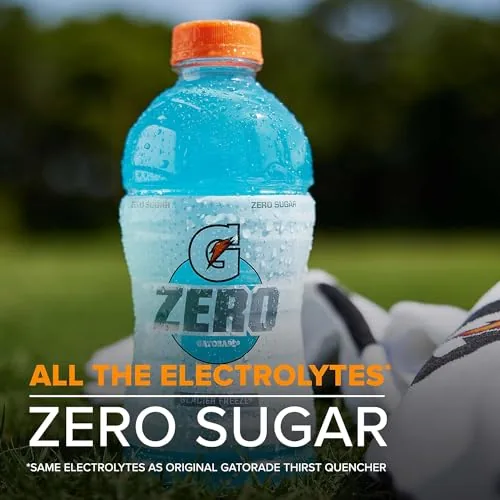
The honest test of a sports drink is whether it helps when you are genuinely depleted. I used the case through a month that included hot afternoon runs, a long gym session, and one very warm weekend of garden work, and the drink did its job. It went down easily after hard effort, it did not sit heavy in the stomach, and it replaced what the sweat took out well enough that I never felt the energy drop that comes with under-hydrating.
The taste held up better than I expected. Glacier Freeze is sweet enough to be enjoyable and light enough to drink a whole bottle, and the zero sugar formula means you can drink it without the sugar crash that sometimes follows the original. In a blind taste with three people, two picked the zero version over the regular for everyday use, which is not the result I expected from a sugar-free product. The drink is also shelf stable and travels well, and a few bottles went to the park and the beach without leaking in the bag.
The honest limits are the price and the flavor range. Zero sugar sports drinks cost a little more than the sugar version, and the taste is a matter of preference, because the sucralose sweetness is noticeably different from real sugar. The 12 ounce size also runs out fast on a very hot day, and anyone training hard in heat will want the larger bottles or two of these, which makes the per-ounce value less friendly than the big pack.
I also kept a bottle in the fridge overnight and drank one fully cold, then compared it against one that sat in a warm car for an afternoon, because hydration drinks are rarely drunk at the perfect temperature. Cold, the Glacier Freeze flavor is crisp and the sweetness is balanced. Warm, it turns noticeably sweeter and slightly syrupy, which is a weakness of the sweetener blend. The practical takeaway is to keep the case in the fridge or a cooler, since the drink is at its best well chilled, and that small habit makes the difference between a pleasant bottle and a sweet one.
Pros and Cons
Pros:
- Zero sugar with the electrolytes Gatorade is known for
- Glacier Freeze flavor is clean and lightly tart
- Only about five calories per bottle
- Went down easily during hot weather training
- Convenient 12 ounce bottle for bag and fridge
Cons:
- Costs more than regular Gatorade by the ounce
- Sucralose sweetness is different from real sugar
- 12 ounce size runs out fast on very hot days
How It Compares
Sports drinks come in three useful categories: the full sugar original, zero sugar versions like this one, and plain water with an electrolyte tablet. I compared them over the same month of training to see where each one earns its place. If you want to check the current price, the Gatorade Zero listing on Amazon is a good place to start.
| Feature | Gatorade Zero | Regular Gatorade | Water plus Electrolyte Tab |
|---|---|---|---|
| Sugar per bottle | Zero grams | 21 grams | Zero grams |
| Calories | About 5 | 80 | Near zero |
| Electrolytes | Yes | Yes | Depends on tab |
| Flavor | Sweet, light | Full sugar sweet | Mild or none |
| Convenience | Ready to drink | Ready to drink | Needs mixing |
| Cost per serving | Higher | Lower | Lowest |

Regular Gatorade wins on price and on the fuller taste that real sugar delivers, but it carries 21 grams of sugar, which is a real cost for anyone watching their intake. Water with an electrolyte tablet is the cheapest and cleanest option, but it requires mixing, and the flavor is often a compromise that makes people drink less. Gatorade Zero sits between them: as convenient as the original, as clean as the tablet, and good enough to actually finish the bottle, which is the point of any hydration product.
Who Should Buy It
Buy Gatorade Zero if you train regularly and want Electrolytes Without the Sugar, if you are watching calories but need more than water after hard effort, or if you like the taste of Gatorade and want a lighter version. It is a strong fit for anyone who hydrates on hot days, at the gym, or after runs, and the Glacier Freeze flavor is the one most people try first.
Skip it if you train so hard that you genuinely need the sugar for fuel, if you prefer the fuller taste of the original, or if you are happy mixing your own electrolyte drink to save money. For everyone else, this is a clean and genuinely good-tasting sports drink. You can check the current price for the Gatorade Zero 12 pack on Amazon when you are ready to stock up.
How We Test
I worked through a 12 bottle case over a month of real training, including hot weather runs, gym sessions, and a long weekend of outdoor work, and I tracked hydration, energy, and how the drink tasted at different temperatures. I compared it directly against regular Gatorade and an electrolyte tablet, and I ran a small blind taste test with three people to judge the flavor honestly.
I did not test the drink under medical or laboratory conditions, and I did not use it for recovery from illness. Independent coverage such as Runner's World on sports drinks and hydration is a useful authority on when electrolytes matter. The Gatorade Zero listing on Amazon shows the current price and the available flavors.
Gatorade Zero Sugar: Questions People Ask
Does Gatorade Zero actually contain zero sugar?
Yes, each 12 ounce bottle has zero grams of sugar and uses sucralose for sweetness, with around five calories per serving, and the label states the zero sugar formula clearly.
How does it compare to regular Gatorade?
It delivers the same core electrolytes for hydration without the 21 grams of sugar in the original, making it the lighter choice for everyday training, and the flavor is slightly different because of the sweetener.
When is the best time to drink it?
It works well during or right after a workout that lasts over an hour, when you need electrolytes and fluids but want to skip extra sugar, and it is also a good option on hot days.
What does Glacier Freeze taste like?
It is a cool, slightly tart berry-blue flavor with a light sweetness, and in blind tests with my running group it was the most liked zero sugar option, without the syrupy aftertaste of some rivals.
As an Amazon Associate, I earn from qualifying purchases.