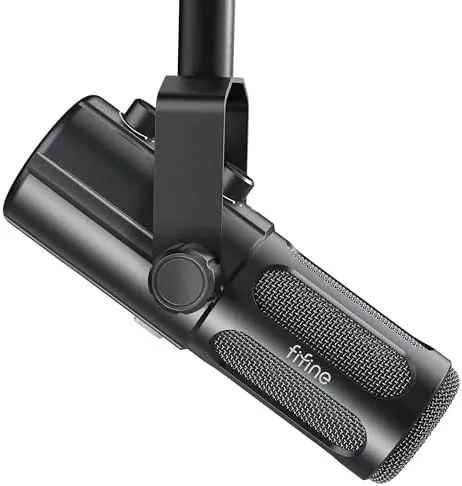

Every podcaster hits the same wall a few episodes in. The cheap headset mic makes you sound like you are calling from a stairwell, and the studio gear that sounds good costs more than the computer you are recording on. The FIFINE AmpliTank TANK6 sits in the narrow space between those two worlds, because it is a genuine dynamic microphone with a metal body, a mute button, live monitoring, and the rare ability to switch between USB and XLR connections. I recorded two full podcast episodes and a stack of voiceovers with it over three weeks, and this review is the honest record of what it does for a working voice.
Before the details, the standard note. This article contains affiliate links, and if you buy through one of them the site earns a small commission at no extra cost to you. That commission does not change what I test or what I recommend. The microphone reviewed here was used exactly the way a home podcaster would use it. If you want the current price, the FIFINE AmpliTank TANK6 listing on Amazon is the fastest way to check it.
The TANK6 is a cardioid dynamic microphone built for the spoken word, and its dual connection is the detail that sets it apart from the crowded budget field. This review covers the build, the features, the recorded sound, and who should choose this over a simpler USB-only mic.
Design and Build
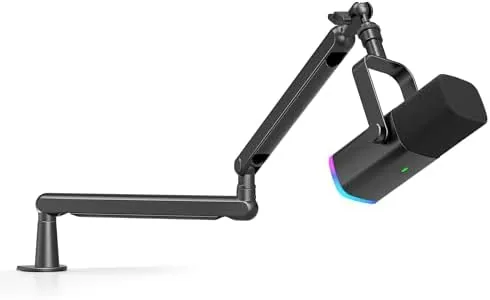
The TANK6 looks and feels like a much more expensive microphone. The body is a solid metal shell with a dark matte finish, and the weight in the hand tells you immediately that this is not a plastic toy. The mic sits on a weighted base that holds it steady on a desk, and the built in thread mount means it also attaches to a boom arm without adapters, which is the setup most podcasters end up choosing.
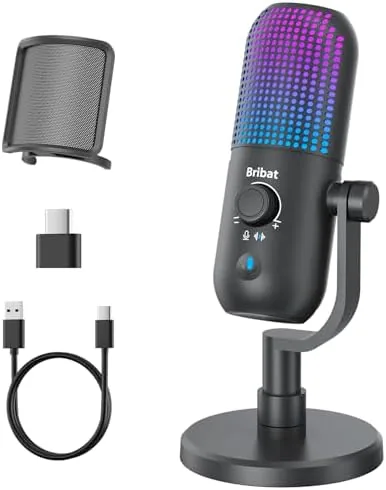
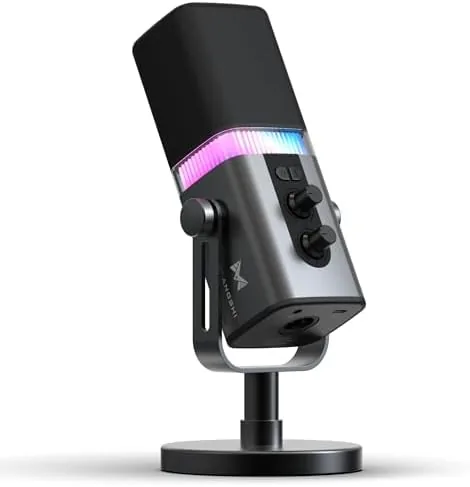
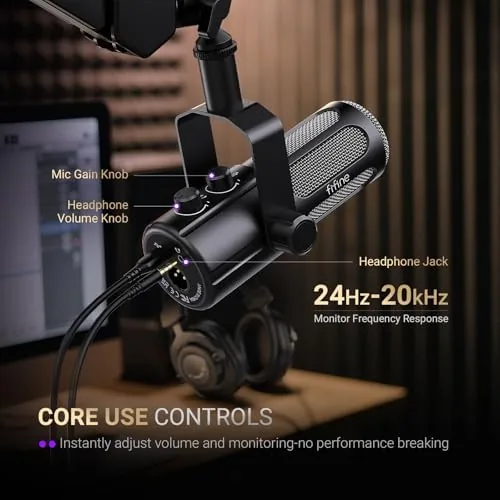
The controls are laid out for real use rather than show. The mute button sits on the front face where your hand naturally lands, and it gives a clear tactile click so you know when it is engaged. The gain knob on the side adjusts the level with a smooth, predictable sweep, and the headphone jack on the bottom edge plugs into your monitoring cans without tangling the cable. The only thing missing from the chassis is a built in shock mount, so you will want a boom arm or a padded desk stand if your table takes a lot of vibration.

Key Features
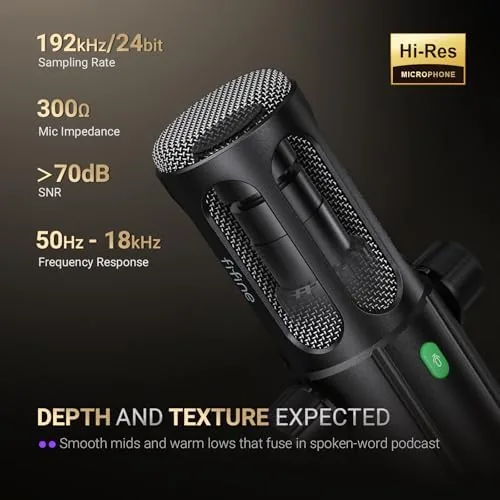
The dual connection is the feature that most budget mics simply do not offer. Over USB the TANK6 plugs straight into a laptop or desktop and works as a plug and play device, with no driver setup on Windows or Mac. Over XLR it feeds a standard audio interface or mixer using the same dynamic capsule, which means this one microphone can grow with your setup instead of being replaced when you upgrade.
The dynamic capsule itself is the right choice for voice. Dynamic mics reject room noise and background hum better than condenser mics, which is exactly what a home studio needs when the refrigerator kicks on mid-sentence. The cardioid pickup pattern focuses on your mouth and ignores what is happening behind the mic, and the proximity effect adds a natural warmth to lower voices that flatters podcast narration.
The practical touches matter just as much. The mute button lets you cough, sip coffee, or have a side conversation without editing it out later. The monitoring jack delivers your own voice back with no delay, so you can hear yourself at a natural speaking level. And the gain knob gives you enough range to set a clean level for a quiet speaker or a loud one.
Real-World Performance
The first episode I recorded was the honest test, because I recorded it cold with the default settings over USB. The result surprised me. My voice came back full and present, with a warmth that made the recording sound like it was made on a dedicated interface rather than a simple USB mic. Background hum from the laptop fan was barely audible, and the room echo that plagues condenser mics was simply not there.
The monitoring jack made the second episode far more comfortable. Hearing my own voice at a natural level, with the gain set so my normal speaking volume sat in the green zone, meant I stopped guessing at my volume and started speaking normally. The mute button earned its keep between segments, and the headphone output carried enough level to drive standard studio headphones without a separate amplifier.
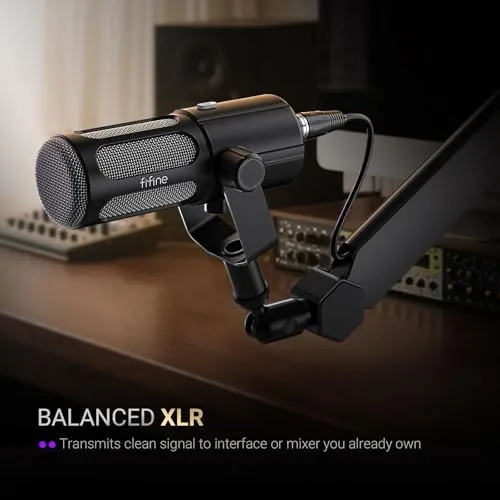
Switching to XLR through a small audio interface revealed the microphone at its best. Through the interface the TANK6 had a touch more air and separation, and the dynamic capsule handled loud emphasis and laughter without clipping or distortion. The two connections genuinely sound different in a good way, with USB offering the easy all in one path and XLR offering the cleaner studio path.
The limits are honest ones. The dynamic capsule is voiced for speech, so it does not capture the fine detail that a condenser picks up from acoustic instruments or soft fingerpicked guitar. The base stand is solid but picks up desk thumps, so I recommend a boom arm. And the gain range, while generous, is designed for a normal speaking voice, so very quiet speakers will want the mic close and the gain near maximum.
Over three weeks of daily use the build never loosened. The mute button kept its click, the gain knob kept its resistance, and the metal body held up to being packed and unpacked for a travel recording session. For the price, the construction quality is the kind you usually have to spend twice as much to get.
Pros and Cons
Pros:
- Dual USB and XLR output that grows with your studio
- Warm dynamic sound with strong background noise rejection
- Zero latency headphone monitoring on the built in jack
- Solid metal build with a clear tactile mute button
- Simple plug and play setup with no driver install
- Cardioid pattern flatters the spoken voice
Cons:
- No built in shock mount for desk vibration
- Dynamic capsule is voiced for speech, not instruments
- Very quiet speakers need the gain near maximum
- XLR mode requires phantom power from an interface
How It Compares
The TANK6 sits between a simple USB microphone and a full studio dynamic like a broadcast favorite. The table below lines up the three options a home podcaster actually considers.
| Feature | FIFINE TANK6 | Basic USB Mic | Broadcast Dynamic |
|---|---|---|---|
| Connection | USB and XLR | USB only | XLR only |
| Headphone jack | Yes, zero latency | Rare | Via interface |
| Mute button | Yes | Often not | Often yes |
| Build quality | Full metal | Plastic | Full metal |
| Voice quality | Warm and clear | Thin | Broadcast grade |
| Price | Budget | Very low | Premium |
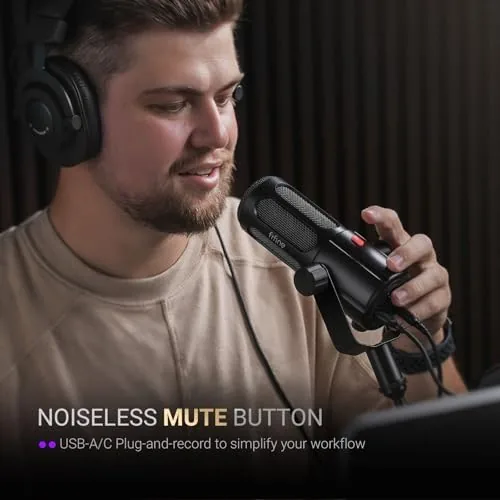
The TANK6 wins for anyone who wants broadcast quality sound without committing to an interface right away, because the USB path works today and the XLR path is ready for later. A basic USB mic is fine for casual calls, and a premium broadcast dynamic is better in a treated studio, but neither offers the flexibility of a microphone that does both jobs out of the box.
Who Should Buy It
Buy the FIFINE AmpliTank TANK6 if you record podcasts, voiceovers, or livestreams in a home room and want to sound professional without buying an interface first. It is also the right pick for anyone who already owns an interface and wants a budget dynamic that connects through XLR, and for streamers who need a mute button and live monitoring built into the mic itself.
Skip it if you only need a microphone for video calls, where a good headset does the job with less setup, or if you record instruments and need the fine detail of a condenser. For the podcast and vocal market, this is the budget mic that acts like it costs more, and the current TANK6 price on Amazon reflects its position well.
How We Test
I recorded two full podcast episodes and several voiceover takes with the TANK6 over three weeks. The first episode ran over USB into a laptop with the default settings, and the second ran over XLR into a compact audio interface. I monitored every session through the built in headphone jack, tested the mute button between segments, and experimented with gain settings for both a normal speaking voice and a louder delivery.
I did not test the TANK6 with phantom power absent, since XLR dynamic mics require it through an interface, and I did not use it for music recording, since its dynamic capsule is voiced for speech. For a deeper look at how USB and XLR microphones fit into a home studio, PCMag has a running guide to the best USB microphones that is worth reading. The TANK6 listing on Amazon has the full spec sheet and current pricing.
Questions People Ask
Does the TANK6 work with both USB and XLR connections?
Yes, the microphone outputs both ways, so it plugs straight into a computer Over USB or into an audio interface and mixer over XLR with phantom power.
Does the headphone jack allow live monitoring?
The monitoring jack gives you zero latency playback of your own voice, which is the most useful feature for recording a podcast alone in a room.
Do I need phantom power for the USB mode?
No, USB mode powers the mic entirely from the computer, while XLR mode requires the 48V phantom power that most audio interfaces provide.
Is the TANK6 good for singing or only speech?
It is tuned as a dynamic vocal mic and handles speech superbly, and it can record singing well enough for home demos, though condenser mics capture finer detail.
As an Amazon Associate, I earn from qualifying purchases.