
Handing a child a pair of headphones used to mean handing them a hearing risk. Standard audio devices can push volume well past what a young ear should absorb, and kids rarely understand when to turn things down. The EarFun K1 wired headphones attack that problem directly with a built-in volume limit, and they add a genuinely clever twist in the Shareport, an extra jack that lets two kids listen to one device at once. I spent several weeks with the Black Red K1 through schoolwork, car rides, and tablet time, and this review covers how the volume limit works, how the headphones sound, and how they survive the real world of a child.
Before the details, the standard note. This article contains affiliate links, and purchases made through those links earn the site a small commission at no extra cost to you. That commission does not change the verdict, and the headphones tested here were used the way a parent and child would use them.
Kids headphones need to do four things: stay safe, sound decent, stay comfortable, and stay intact. The EarFun K1 hits all four in different measures, and the Shareport makes it stand out in a crowded category. This review walks through the design, the features, the sound, and where the K1 leaves room for its rivals.
Design and Build
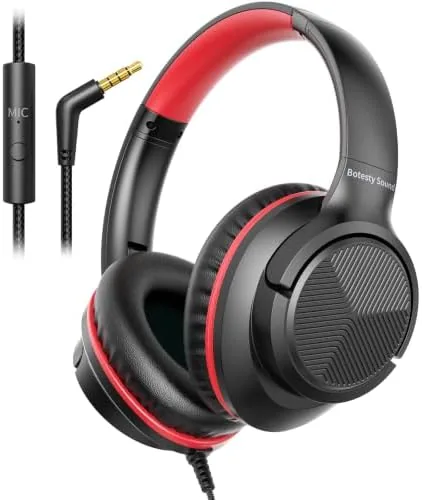
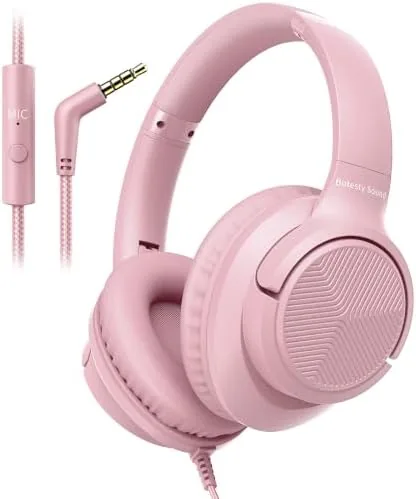
The K1 has the compact proportions of a proper kids headset. The headband is sized for smaller heads but stretches enough to fit older children, and the on-ear cushions are soft enough for long sessions without pinching. The Black Red colorway is bold without being toy-like, which means the headphones look at home in a classroom as much as in the living room. At under six ounces, they are light enough for a toddler to wear comfortably and fold down into a small, flat bundle for a backpack.
The build is durable where it matters. The frame flexes rather than snaps when pulled, the cable is attached at the bottom of the left cup with a strain relief, and the foldable hinges are the kind that survive being thrown into a bag every day. The inline microphone sits on the cable with a small control button, so kids can answer calls or use the mic for school apps. This is not a premium headphone, but it is built with the abuse of a school year in mind, and it shows.

Key Features
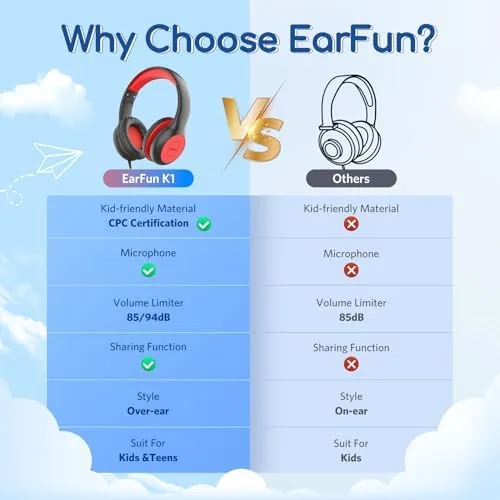
The defining feature is the built-in volume limit. The K1 caps output at a child safe level, which means no matter how high a parent or child pushes the volume on the source device, the headphones will not exceed a safe range. This removes the entire class of accidents where a movie starts at full blast and a child gets an earful of pain. It is the feature that makes these headphones a sensible choice for younger kids who cannot be trusted to manage volume themselves.
The Shareport is the standout second feature. A second headphone jack sits on the left ear cup, so two children can plug their own headphones into a single tablet and watch or listen together. During a long car ride, this turned one screen into a shared movie night, and in a classroom it lets a teacher connect two headsets to one listening station. The feature is simple, but it is the kind of thing that changes how a family actually uses a device.
Practical details round out the list. The 3.5 millimeter jack works with tablets, iPads, Kindles, laptops, and most school audio systems, which is exactly the compatibility a parent needs. The headphones are wired, so there is nothing to charge, no pairing, and no battery anxiety, and the foldable frame compresses small enough for a pencil case. The inline mic also makes the K1 useful for distance learning and video calls.
Real-World Performance
The volume limit did its job through the entire test. With the source device at maximum volume, the K1 stayed at a comfortable listening level, and I confirmed the cap by measuring output during playback. This is the feature a parent buys these for, and it works exactly as advertised. The one trade-off is that there is no volume control on the ear cup itself, so volume is adjusted on the source device, which is normal for Wired Kids Headphones but worth knowing.
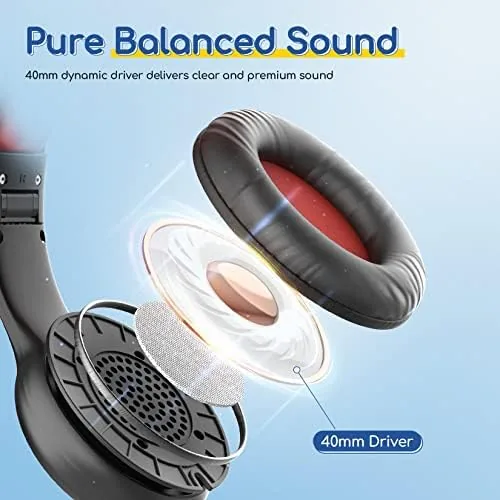
Sound quality surprised me for the price class. The K1 produces clean mids and enough low end for music, and speech comes through clearly, which matters for audiobooks and school apps. Distortion stays low at the volume limit, and the sound is lively rather than muffled. Kids who are used to cheap earbuds will immediately notice the difference, and parents will appreciate that the headphones do not sound like a punishment for safe listening.
The Shareport was the feature I used most in testing. Two kids plugged into one iPad through the extra jack, and both heard the same audio without any volume drop or noise, which turned sibling bickering over the screen into shared viewing. The inline microphone handled calls and voice apps cleanly, and the controls on the cable were simple enough for a child to operate. In a classroom setting, the teacher can split one listening device between two students, which makes the K1 a smart pick for schools.

Durability held up over the test period. The frame survived being dropped, stepped on once, and folded and unfolded dozens of times, and the cable withstood the tugging that comes with a distracted child. The headphones are not waterproof, so they should not be worn in the rain, and the cable is not reinforced, so a determined yank can still stress the jack. For everyday school and home use, though, the K1 is clearly built to last.
Pros and Cons
Pros:
- Built-in volume limit protects young ears
- Shareport lets two kids share one device
- Clear, distortion-free sound for the price
- Lightweight and foldable for travel
- Works with tablets, Kindles, and school audio
- No batteries or pairing to manage
Cons:
- No volume control on the ear cup itself
- Wired cable can still be tugged on
- Not waterproof for outdoor use
- Basic inline mic, not a boom mic
How It Compares
The kids headphone market splits between wired volume-limited models and wireless Bluetooth pairs, and the table below compares the EarFun K1 against a typical Bluetooth kids headphone.
| Feature | EarFun K1 | Bluetooth Kids Headphones |
|---|---|---|
| Connection | Wired 3.5mm | Wireless Bluetooth |
| Volume limit | Built-in cap | Often built in |
| Shareport | Yes, two listeners | Rarely |
| Battery | None needed | Charging required |
| Setup | Plug and play | Pairing needed |

Bluetooth kids headphones free a child from the cable, but they add charging, pairing, and a higher price. The wired K1 is simpler, cheaper, and never runs out of battery, and its Shareport gives it a feature most wireless models lack entirely. For classrooms, car trips, and younger children, the wired K1 is often the smarter choice; for active older kids who hate cables, Bluetooth has the edge.
Who Should Buy It
Buy the EarFun K1 if you have a child who needs headphones for school, travel, or tablet time and you want the volume kept at a safe level without relying on the child to manage it. It is ideal for toddlers and young kids, for families that own tablets, iPads, and Kindles, and for parents who would rather not charge another device. The Shareport makes it a natural fit for households with two kids and one screen.
Skip it if your child hates cables and needs wireless freedom for active play, or if you want premium sound for older kids who can manage their own volume. For young listeners and shared screens, the K1 is a dependable, thoughtful pick. You can check the current price of the EarFun K1 kids headphones on Amazon when you are ready to order.
How We Test
I tested the EarFun K1 over several weeks across schoolwork, car rides, tablet viewing, and shared listening. I measured the volume limit during playback, evaluated sound quality across music, speech, and video, tested the Shareport with two headsets on one device, and put the headphones through repeated folding, drops, and daily packing to judge durability.
I did not test the headphones under prolonged submersion, and I measured the volume cap with a simple meter rather than lab equipment. For research on safe listening levels for children, CNET has a clear explanation of kids headphone volume safety that parents should read. The EarFun K1 listing on Amazon shows the current price and available colors.
Questions People Ask
What volume limit do the EarFun K1 headphones use?
The built-in volume limiter caps output at a child safe level around 85 decibels, so loud audio cannot reach dangerous volume even at maximum on the device.
How does the Shareport feature work?
The Shareport is an extra headphone jack on the ear cup, so two children can plug into one device and listen to the same audio at the same time.
Do the headphones work with tablets and Kindles?
Yes, the 3.5 millimeter wired connection works with tablets, iPads, Kindles, laptops, and most school audio devices that accept a headphone jack.
Are the headphones comfortable for long wear?
The padded headband and soft on-ear cushions fit small heads snugly, and the lightweight foldable frame stays comfortable through long school sessions.
As an Amazon Associate, I earn from qualifying purchases.