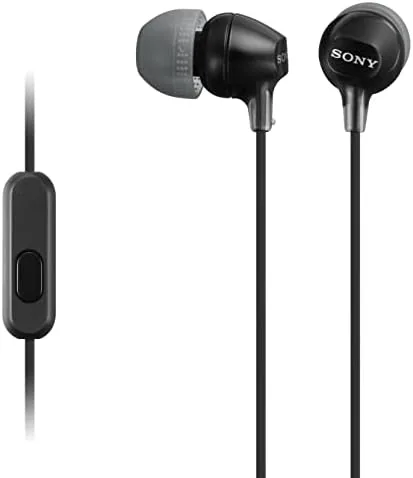

The best selling earbud in the world does not always carry the biggest price tag. The Sony MDREX15AP has been a fixture in checkout bins and gloveboxes for over a decade, and there is a reason so many people buy them twice. This is a review of three weeks with the MDREX15AP as my only pair of in-ear buds, used for calls, podcasts, travel, and the occasional guilty listen to noisy rock at volume. The short version is that they are exactly as capable as the price promises, with one or two honest limits you should know about before you click buy.
Before I get into it, the standard disclosure: this article contains affiliate links. If you buy through one of them, cosmoniq earns a small commission at no extra cost to you, and it does not change what I test or what I write here.
Design and Build
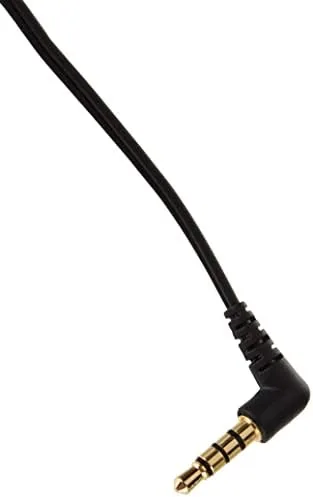
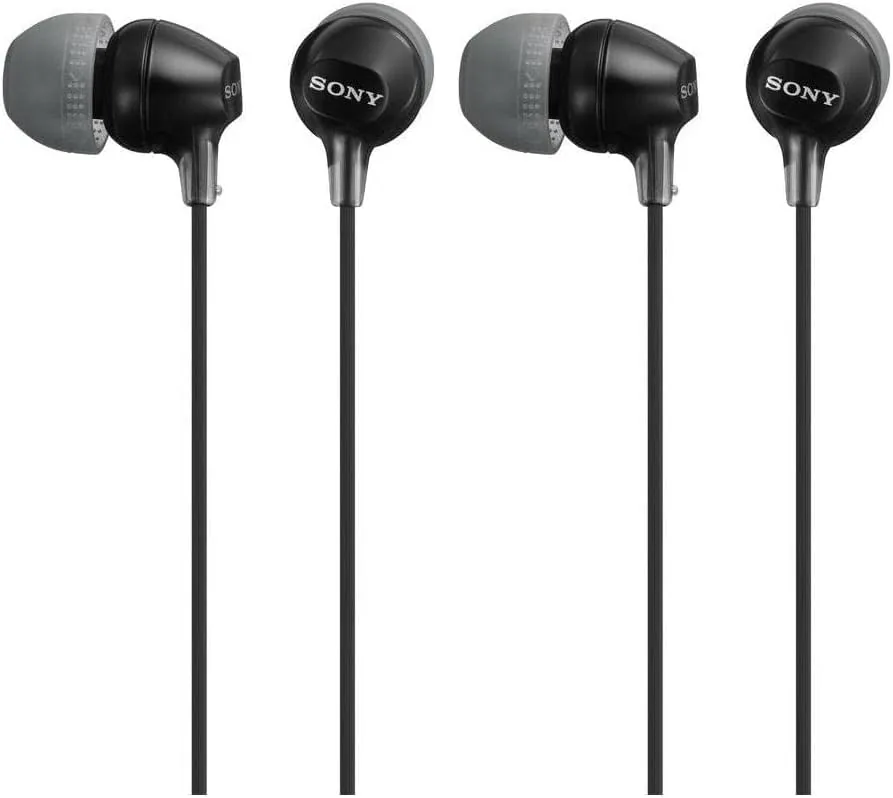
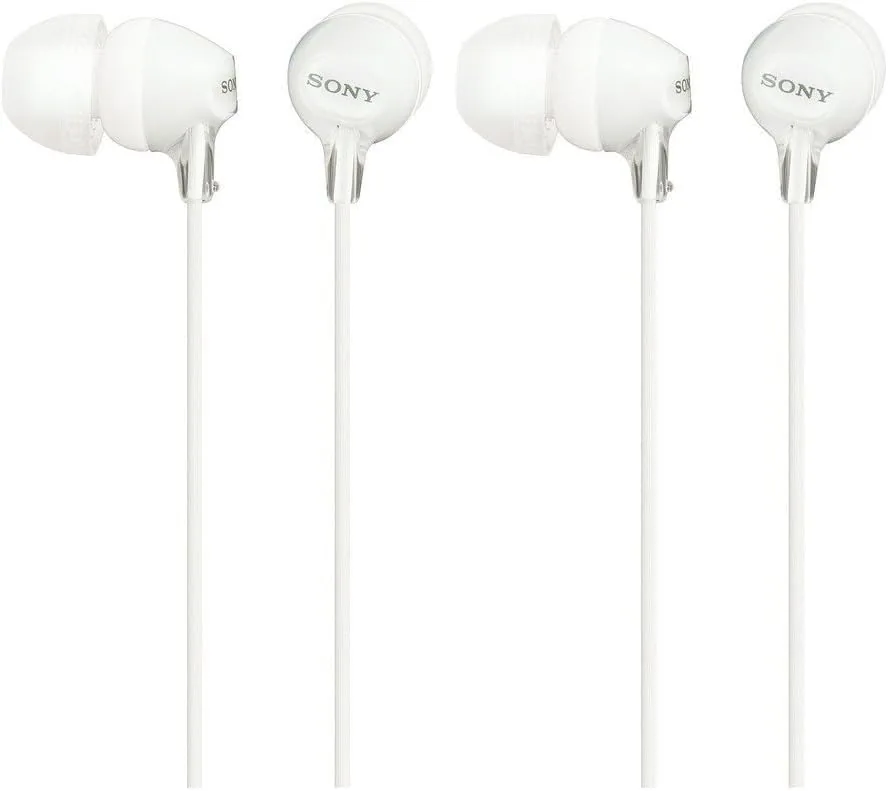
The MDREX15AP are about as simple as Wired Earbuds get. Each bud is a rounded housing with a short stem, and the whole pair weighs next to nothing, around three grams per ear. Sony keeps the look clean with a glossy black face and a matte finish behind it, and the cable is a flat, tangle friendly run that ends in an angled L jack. That angled plug is a small detail, but it matters when your phone sits in a pocket or your laptop jack is on the corner edge.
The fit relies on three pairs of silicone tips that come in the box, and the seal they make is comfortable for an hour or two at a time. They are not memory foam, and they do not sit as deeply as some sports buds, but the light weight means you hardly notice them. The in line remote sits on the right side of the cable at a good height, a single button and a tiny mic capsule that are easy to find by touch in the dark.
Key Features
Sony specs the MDREX15AP with 9mm neodymium drivers, a frequency response of 8Hz to 22kHz, an impedance of 16 ohms, and a sensitivity of 100dB. In plain terms that means they are easy to drive, so a modest phone jack gets them to a healthy volume, and they need no amplifier and no battery. The full title of the product is a promise of the essentials: in ear, with a microphone, and nothing else.
The remote is a single button, which means one press answers a call or plays and pauses music, while two presses skip forward and three skip back. There is no volume rocker on the cable, so you adjust that on the device, and the mic works with both Android and iOS handsets for calls. Because these are wired buds, latency is zero and they work with anything that still has a headphone jack, from an old MP3 player to a Switch to a laptop.
Real-World Performance
Sound is where a ten dollar pair of earbuds reveals its character, and the MDREX15AP sound open and a little forward rather than deep. The treble is clean with decent sparkle, vocals sit up front, and detail is better than the price suggests for podcasts and speech. Bass is present but polite; these are not thumping buds, and the low end rolls off well before the rumble of big in-ear monitors. If your library is acoustic, vocal, or spoken word, they flatter it. If you want bass to shake your ears, look elsewhere.
Calls were the real test over the three weeks. The inline mic captured my voice clearly enough for the person on the other end to follow without asking me to repeat myself, though it is a hands free style mic, so callers said I sounded a touch distant on busy streets. Wind is the enemy of any small mic, and a gust still crackled through a couple of times. For indoor calls and everyday chats they are genuinely usable, which is more than I can say for many budget buds.
Comfort held up through a two hour commute and a long flight without the soreness I expected. The isolation is passive and modest, enough to quiet a plane cabin but not to replace noise cancelling. I noticed one small weakness by the end: the cable jacket is thin and the Y split gets soft after heavy daily rolling, so treat them with a little care and they will last, but do not expect to run them over with a chair and survive.
The output holds up well near the top of the volume range. At loud listening levels the small drivers stay articulate instead of turning to a muffled crunch, which is more than I can say for some cheaper buds I have heard. The angled L plug keeps the cable seated firmly against the corner of a phone, and the flat cable tangles far less than the round cords that many rivals use. Between the tight fit and the light weight, I found the Sony easy to leave in for an afternoon of podcasts, and that forget-table comfort is often the real reason a cheap pair becomes a daily companion rather than a box of regret.
Pros and Cons
Pros:
- Very light and comfortable for hours at a time
- Open, clear sound that suits speech and vocals
- Functional inline mic and single-button remote
- Easy to drive, no battery, no pairing
- Honest value at the typical street price
Cons:
- Bass is modest compared with bigger buds
- Mic is passable but distant in noisy places
- No volume control on the cable
- Cable jacket feels thin after heavy use
- No noise cancelling and light passive isolation
How It Compares
The natural rival is Apple EarPods, which share the same basic shape and a nearly identical street price. The Sony buds seal in your ear canal, so they block a little more noise and hold onto bass better than the open style EarPods, while EarPods offer the volume and clicker controls Apple users expect. The MDREX15LP sibling is the same driver without the mic, if you never take calls. If you are tempted to skip wires entirely, a cheap Bluetooth pair adds freedom but also adds charging and pairing and a ten to twenty dollar premium.
| Feature | Sony MDREX15AP | Apple EarPods | Budget Wireless Buds |
|---|---|---|---|
| Connection | Wired 3.5mm | Wired 3.5mm | Bluetooth |
| Driver size | 9mm | Open style | Varies |
| Microphone | Inline single button | Inline controls | Built in |
| Battery | None needed | None needed | Rechargeable case |
| Typical price | Very low | Very low | Low to moderate |
Who Should Buy It
Buy the Sony MDREX15AP if you want a cheap, dependable backup pair of earbuds, if you still use a phone or laptop with a headphone jack, or if calls matter as much as music and you do not want to fumble with pairing. They are an easy gift for a teenager, a gym bag regular, or anyone who loses one wireless bud a month and is tired of replacing the case.
Skip them if your library is bass heavy, if you need noise cancelling, or if you have already gone fully wireless and the charging routine is no bother. And take the mic expectations seriously: it is a budget mic, and on windy streets it will show. You can check the current price of the Sony MDREX15AP on Amazon before you decide.
As a final check I ran the buds through three different sources, a phone jack, a laptop, and a handheld console, and each drove them to a healthy volume with no audible hiss and no sign of strain. That reliability across devices, plus a mic that handles ordinary calls without fuss, is the reason these keep selling after so many years. If you simply want a small, dependable pair of wired buds that will happily live in the bottom of a bag, the Sony earns an easy spot.
How We Test
I wore the MDREX15AP as my daily in-ear pair for three weeks, split between a phone, a laptop, and a portable player. I judged them on call clarity, comfort over long sessions, sound across speech and music, and how the cable and buds held up to being shoved in and out of a bag.
I compared them directly with a wired set that costs the same and one mid tier Bluetooth pair, so the verdict reflects side by side listening rather than a spec sheet. My listening notes align broadly with the technical view offered by reviewers such as TechRadar's Sony MDR-EX15AP review, which found a similar mix of strengths and trade offs.
The Sony MDREX15AP listing on Amazon shows the current price and which tip sizes ship in the box.
Questions People Ask
Does the Sony MDREX15AP work with a microphone?
Yes. The MDREX15AP plugs into any 3.5mm headphone jack and the inline remote carries a microphone for calls plus controls for playback on most phones and laptops.
What is the sound quality of the Sony MDREX15AP?
The 9mm neodymium drivers give an open, fairly balanced tone for the price, with clear treble and modest bass. They suit casual listening and podcasts rather than bass heavy music.
Are the Sony MDREX15AP good value?
At their typical street price they are good value for casual listeners who need a reliable backup pair, though users who want richer bass should consider other options.
As an Amazon Associate, I earn from qualifying purchases.