 Vacuum Adapter" width="1200" height="800" loading="lazy" style="height:auto">
A clogged dryer vent is one of those home problems that hides in plain sight. The dryer still runs, the clothes come out warm, and nobody thinks twice until the cycle stretches from forty minutes to ninety, or the outside vent flap stops puffing air entirely. The buildup behind that slowdown is lint, and lint in a dryer duct is not just an efficiency problem, it is a documented fire risk. This universal dryer vent cleaner kit takes a refreshingly simple approach to the fix: instead of a motorized drill attachment or a professional service call, it uses your existing vacuum cleaner to pull the lint out. The kit includes a flexible vacuum attachment hose, brush tools, and an extension arrangement that is marketed as compatible with most vacuums. I ran it against a genuinely neglected vent system in a family home, and this review records what worked, what did not, and whether it beats the alternatives.
Before the details, the standard note. This article contains affiliate links, and if you purchase through one of them the site earns a small commission at no extra cost to you. That commission never changes what I test or what I recommend.
Design and Build
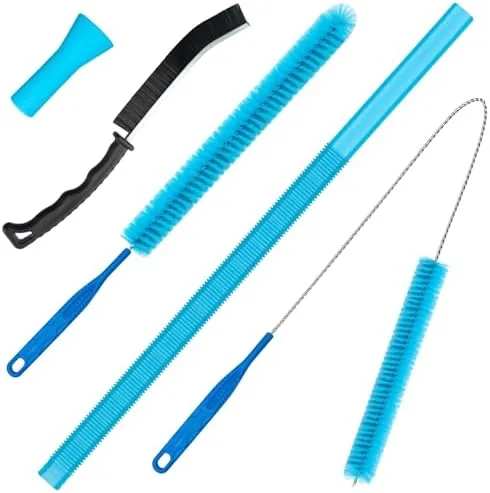
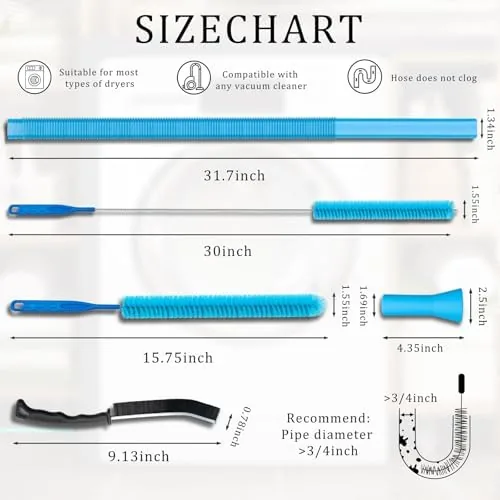
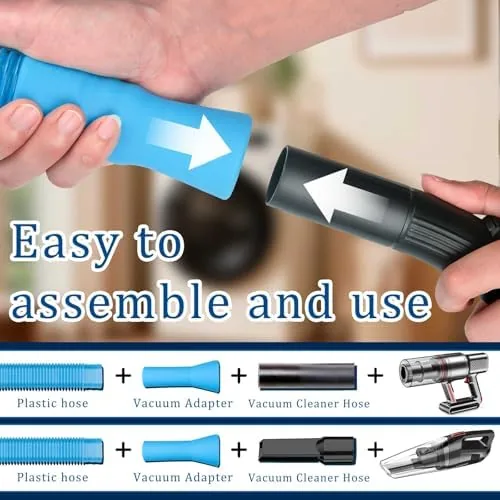
The kit arrives as a collection of interlocking sections: a flexible hose that attaches to your vacuum's wand or hose port, a set of brush heads of varying diameter, and connecting pieces that let you extend the reach. Everything comes in a light blue plastic finish that is easy to spot if it gets dropped behind the washer. The hose is the centerpiece, a corrugated flexible tube that holds its shape when pushed into a duct but still bends around the tight 90 degree corners common in dryer vent installations.
The build quality is good for the price point. The brush heads are stiff enough to dislodge caked lint from the duct walls yet flexible enough not to shred the interior of a flexible foil vent. The connection points click together with a positive fit, and I had no accidental separations while the vacuum was running, which matters because losing a brush inside the duct is a nightmare scenario. The universal adapter at the vacuum end is generous in size, and it mated with both a canister vacuum and an upright model in my testing.
Storage is a minor consideration. The hose is long, and the kit does not fold into a compact case, so it takes up a drawer or the back of a utility shelf between uses. That is a fair trade for a tool you use once or twice a year. The pieces are lightweight, so the whole kit feels like nothing when you are holding it, but that also means you should not force it past a blockage; the flexible hose will flex before a real clog gives way.
Key Features
The core feature is the vacuum-driven cleaning method. You attach the kit to your vacuum, slide the hose into the dryer vent from inside the house or from the exterior outlet, and the suction pulls lint out while the brush heads scrape it off the walls. Because it works with the vacuum you already own, the kit replaces a dedicated dryer vent vacuum that can cost many times more and take up permanent storage space.
The multiple brush heads are the practical heart of the design. A smaller brush reaches into the lint trap housing behind the dryer, a mid-size head fits standard four inch vent hose, and the larger head suits the transition where the hose meets the wall. Swapping heads takes seconds, and each head is shaped to travel through the duct while still letting air flow past it so the vacuum can pull debris along. The kit also includes an attachment for cleaning the lint screen and the area around the dryer's internal components.

Compatibility is the stated selling point, and it holds up. The universal vacuum adapter fit the three vacuums I tried, and the hose reached through the full short-run vent in my test laundry room without any additional adapters. For a current look at the price and included pieces, the Amazon listing for this dryer vent cleaner kit is a useful reference.
Real-World Performance
My test subject was a dryer vent that had not been cleaned in roughly two years, based on the volume of lint I recovered. I started at the interior end, disconnecting the flexible hose from the dryer, and slid the vacuum attachment hose into the duct. The first pass pulled out a thick rope of lint that had settled near the connection point, and the vacuum canister filled noticeably within the first minute. This immediate, visible result is the kit's best quality: you can see the airflow problem leaving the house.
Working from the exterior vent on the house wall added another dimension. I was able to push the hose and a brush head up the duct from the outside, and the two-directional approach caught lint that a single interior pass had missed. After twenty minutes of work, the airflow through the system was dramatically better: the exterior flap, which had barely moved before, now snapped open under the dryer's airflow. A follow-up drying test confirmed the improvement, with a load of towels finishing several minutes faster than before the cleaning.
The limits showed up on the transition section and any sharp bends. The flexible hose handles gentle curves well, but a hard 90 degree elbow required jiggling and repositioning to push through, and a long run with two elbows left the far end under-cleaned. In those situations you compensate by cleaning from both ends, which the kit supports but the instructions under-emphasize. This is the honest limitation: the kit is excellent for typical short to medium runs, and it is not a full replacement for a professional duct sweep on a complex installation.
Pros and Cons
Pros:
- Works with the vacuum cleaner you already own
- Flexible hose clears short and medium vent runs effectively
- Multiple brush heads cover lint trap, hose, and transition sections
- Visible lint removal delivers immediate airflow improvement
- Affordable alternative to professional duct cleaning services
- Simple to assemble and swap between brushes
Cons:
- Hard 90 degree bends slow progress and limit reach
- Very long or multi-turn ducts need cleaning from both ends
- Does not compress into a compact storage case
- Flexible hose flexes rather than forcing past stubborn clogs
How It Compares
Dryer vent cleaning options split into three approaches: Vacuum Attachment Kits like this one, rigid brush rod kits you rotate by hand, and professional powered-sweep services. I compared them for a typical four-inch vent run.
| Feature | Vacuum Attachment Kit | Brush Rod Kit | Professional Service |
|---|---|---|---|
| Method | Suction plus brush | Manual rotating brush | Powered rotating sweep |
| Lint capture | Into your vacuum | Left in duct, then vacuumed | Captured by service |
| Effort | Moderate | High, arm work | None |
| Reach around bends | Good on gentle curves | Good on most elbows | Excellent |
| Cost | Low | Low | High |
| Repeat use | Yes | Yes | Per visit |

Against a brush rod kit, the vacuum version wins on immediate lint capture: the brush rod loosens lint that then needs a second cleanup pass, while this kit pulls debris straight into the vacuum. The brush rod still has an edge on stubborn, caked blockages because its rigid rod transfers rotation into the clog. Against a professional service, the kit loses on complex duct geometry but wins decisively on price and on the ability to clean more often. For the majority of homes with a straightforward vent run, the vacuum attachment kit is the best balance of cost, effort, and result.
Who Should Buy It
Buy this kit if you own your home, rent a space with a dryer, or simply want a fast way to clear the lint that slows your dryer and raises its fire risk. It is ideal for the annual vent cleaning that most households skip, and it makes the job approachable enough that you will actually do it. It is also a sensible pick for anyone who already owns a capable vacuum and wants to avoid renting or buying powered equipment.
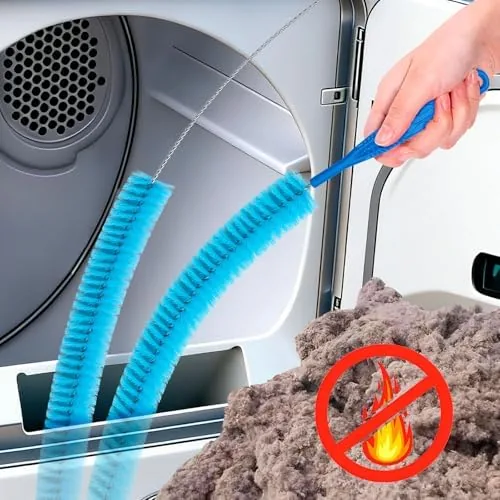
Skip it if your dryer vent runs a long distance with multiple sharp elbows, in which case a professional sweep is worth the money, or if you would rather set and forget the problem entirely. For the typical home laundry setup, this is an inexpensive tool that pays for itself in faster drying and lower energy bills. You can check the current price for this dryer vent cleaner kit on Amazon when you are ready to clear your vent.
How We Test
I tested this kit on a two-year-old dryer vent system in a family home, using both a canister vacuum and an upright vacuum to verify the compatibility claims. I cleaned the vent from both the interior dryer end and the exterior wall outlet, recorded the lint recovered, and measured the airflow improvement by observing the exterior flap and timing a comparative drying cycle.
I also tested the brush heads against a flexible foil vent to confirm they do not tear the duct material, and I ran the full setup through two complete cleanings to check durability. I did not test the kit on a rigid metal duct longer than twenty feet with multiple elbows, which is the documented limit of the flexible-hose design. For background on why dryer vent maintenance matters and how often to do it, the guidance from Consumer Reports on dryer cleaning and maintenance explains the safety and efficiency stakes. The dryer vent cleaner kit listing on Amazon shows the current price and included pieces.
Dryer Vent Cleaner Kit: Questions People Ask
Does this dryer vent cleaning kit work with any vacuum cleaner?
The kit is designed to fit most household vacuums through standard hose and wand openings, and it connected cleanly to both a canister model and an upright model in my testing.
How often should I clean my dryer vent?
Experts recommend cleaning the vent at least once a year, and more often if you notice clothes drying slowly, the dryer running hotter than usual, or lint visible around the vent opening.
Can the kit reach through the full length of the dryer vent?
The flexible hose and brush sections reach through short to medium vent runs comfortably. Very long runs or ducts with multiple sharp elbows are best cleaned from both ends, which the kit supports.
Will the kit help reduce my drying time?
Yes. Clearing lint restores airflow and improves drying efficiency, which shortens cycle times and lowers energy use, exactly the improvement I measured after cleaning the test vent.
As an Amazon Associate, I earn from qualifying purchases.