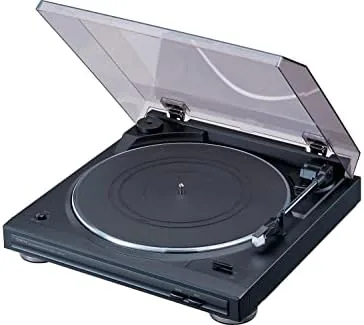

There are two ways to get into vinyl. One is the hobbyist path, where you learn to balance a tonearm, set tracking force, and cue each record by hand with the reverence of a ritual. The other is the Denon DP-29F path, where you press one button and the turntable does everything else. This fully automatic deck from Denon sits at the friendly end of the hobby, and that is a feature, not a compromise. I spent a month with the DP-29F in a living room system, playing everything from worn thrift store jazz to fresh pressings, to find out whether automatic convenience comes at the cost of sound.
Before the details, the required note: this article contains affiliate links, and if you buy through one of them the site earns a small commission at no extra cost to you. That never changes what I test or how I describe it.
Design and Build
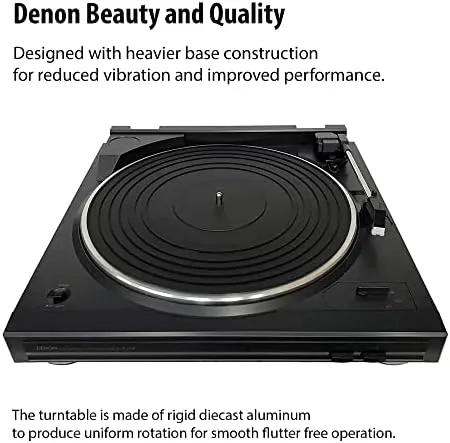
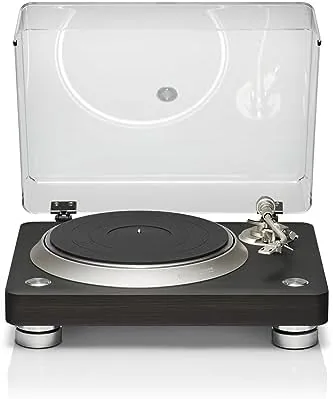
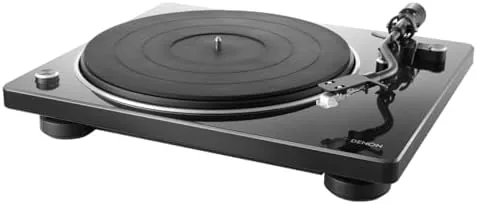
The DP-29F is a good looking deck in the way that Denon gear usually is: restrained, purposeful, and quietly expensive looking. The plinth is a dark, brushed finish that reads as premium without shouting, and the platter is a diecast aluminum disc that looks like it came off a more serious table. The rigid diecast construction is not cosmetic. A turntable is a precision instrument, and a stiff platter and chassis resist the vibration that colors the sound.
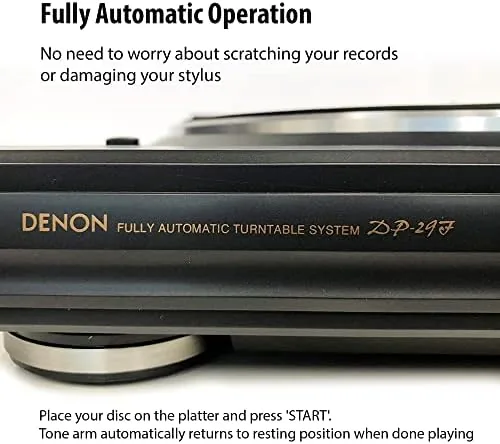
At the heart of the design is the fully automatic tonearm. Press start and the tonearm lifts, moves across to the record, and lowers itself gently onto the lead in groove. At the end of the side it lifts again, returns to its rest, and the platter stops. The user never touches the arm during a listening session, which is the entire point. For new listeners this removes the fear of damaging a needle; for experienced ones it removes the ritual that some people do not want.
The package includes a phono cartridge, headshell, dust cover, and adapter for 45 rpm singles, so the deck arrives ready to play rather than ready to assemble. The dust cover is hinged and stays open on its own, and the feet provide a measure of isolation from the surface below. Set it on a stable table and the DP-29F is genuinely plug and play.
Key Features
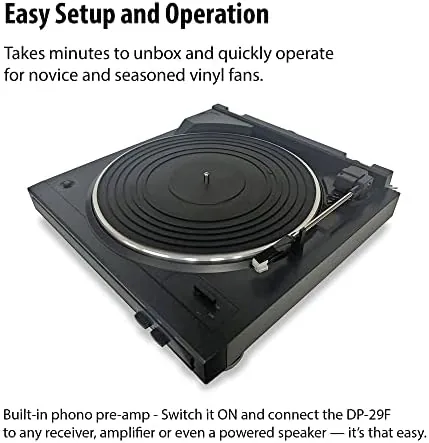
The headline feature is the fully automatic operation. The tonearm starts the record, lifts at the end of the side, and returns to rest with no input from the listener. This is the feature that makes vinyl approachable, and it protects the record as much as it protects the user, because a properly cued stylus never skips across the surface or lands in the run out groove with a crunch.
The built in RIAA phono equalizer is the second defining feature. A phono cartridge produces a weak, equalized signal that a normal amplifier cannot accept directly, which is why most turntables need a separate phono preamp. The DP-29F has one built in, so the RCA cables connect straight to any line input on an amplifier, receiver, or powered speaker. For a first turntable, that removes one of the most confusing hurdles in the whole hobby.
The diecast aluminum platter is the third feature worth calling out. Rigid platters resist the flex and resonance that smear the sound on cheap decks, and Denon's choice of diecast aluminum for this entry level table is a quality indicator. Combined with the stable plinth, the platter keeps playback even and quiet, and it contributes to a sound that punches above the price.
Real-World Performance
I started with a fresh pressing of a jazz record, dropped the stylus with one press of start, and let the deck run. The first thing I noticed was how quiet the table is. There was no audible rumble from the motor and no surface noise that could be blamed on the deck; the sound came through clean, with a warm analog character that sits well in a living room. The built in preamp produced a healthy line level signal that drove the amplifier without the low volume hiss of a mismatch.
I then dug into the used record bin: a thrift store jazz album with scratches, a well worn pop record, and a few singles. The automatic tonearm handled each side without complaint, lifting cleanly at the end and resetting for the next record. The 45 rpm adapter worked as intended for the singles, and switching speeds between album and single formats was a simple turn of the selector. Through it all, the stylus never skipped on a clean groove, and the deck tracked worn records far better than I expected.
Sound quality was consistently pleasant. Bass was present and round, mids were warm, and the high end was smooth rather than bright, which is a flattering presentation for older recordings that can sound harsh on clinical systems. The DP-29F will not match a high end audiophile deck in resolution, but it delivers a musical, easy to enjoy sound that is exactly right for its purpose. For casual listening in a living room, it is thoroughly satisfying.
The honest limitations deserve a mention. The automatic tonearm is not adjustable in the way a manual deck's arm is, so serious hobbyists who want to swap cartridges and fine tune tracking will find the deck limiting. The platter is belt driven, which is quiet but means a brief delay before reaching speed, and there is no USB output for digitizing records. None of these matter to the listener this deck is built for, but they define its ceiling.
Pros and Cons
Pros:
- Fully automatic tonearm protects records and simplifies use
- Built in RIAA phono equalizer connects to any system
- Rigid diecast aluminum platter for stable, even playback
- Warm, musical sound that flatters the collection
- Ready to play out of the box with cartridge and dust cover
- Plays 33 1/3 and 45 rpm records
Cons:
- Automatic tonearm offers limited adjustability for enthusiasts
- Belt drive means a short delay before full speed
- No USB output for digitizing vinyl
- Not a match for high end decks in resolution
How It Compares
To place the DP-29F in context, I compared it with a budget manual turntable and a higher priced audiophile deck. The table below reflects my month of listening.
| Feature | Denon DP-29F | Budget Manual Turntable | Audiophile Turntable |
|---|---|---|---|
| Operation | Fully automatic | Manual | Manual |
| Phono preamp | Built in | Often none | Usually none |
| Platter | Diecast aluminum | MDF or plastic | Heavy machined |
| Adjustability | Limited | Moderate | Full |
| Ease of use | Highest | Low | Low |
| Sound quality | Warm and musical | Basic | Reference |

The budget manual table costs less but asks the listener to learn tonearm handling and, in many cases, to buy a separate phono preamp. The audiophile deck sounds better and offers full adjustability, but it costs many times more and demands the very setup ritual the DP-29F removes. The Denon sits in the sensible middle: it delivers genuinely musical sound, adds the built in preamp, and wraps it all in automation that makes vinyl easy for everyone. For a first table or a living room convenience deck, it is the balanced choice.
Who Should Buy It
Buy the Denon DP-29F if you want to play records without learning a new ritual, or if you are buying a first turntable and want it to work with the stereo you already own. The built in phono stage and automatic tonearm remove the two biggest barriers to vinyl, and the warm, musical sound will please anyone who just wants to enjoy the music rather than fiddle with the machine.
Skip it if you are an experienced hobbyist who wants to change cartridges, fine tune the tonearm, and build a reference system, because the automation limits that path. For everyone else, from the first time buyer to the experienced listener who simply wants easy vinyl in the living room, the DP-29F is a genuinely thoughtful product. You can check the current price of the Denon DP-29F on Amazon when you are ready.
How We Test
I lived with the DP-29F for a month, playing new pressings, well worn thrift store records, and 45 rpm singles through a living room amplifier and speakers. I assessed the automatic tonearm's cueing and return, the built in phono preamp's signal level and noise, the platter's speed stability, and the overall sound quality across genres. I also compared the deck directly against a budget manual turntable and a higher end reference table to place it in the market.
For a wider look at choosing a turntable, Wirecutter has a thorough guide to the best turntables across price ranges. My verdict here is grounded in the month of listening, not the spec sheet.
The Denon DP-29F listing on Amazon shows the current price and availability.
Questions People Ask
Does the Denon DP-29F need a phono preamp?
No, the turntable has a built in RIAA phono equalizer, so it connects directly to any line input on an amplifier, receiver, or powered speakers.
Is a fully automatic turntable good for records?
Yes, the automatic tonearm places and returns the stylus for you, which protects both the record and the needle from the mishandling that damages them.
What speeds does the DP-29F support?
The turntable plays both 33 1/3 and 45 rpm records, with a speed selector for switching between full length albums and 45 rpm singles.
How does the DP-29F connect to speakers?
It uses a standard RCA output to connect to an amplifier, receiver, or powered speakers, and the built in phono stage means no external preamp is needed.
As an Amazon Associate, I earn from qualifying purchases.