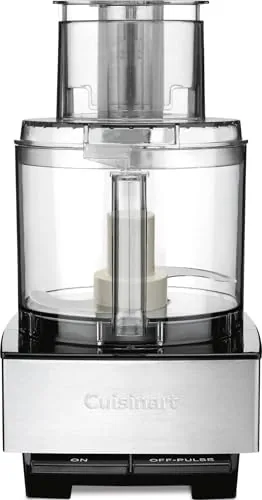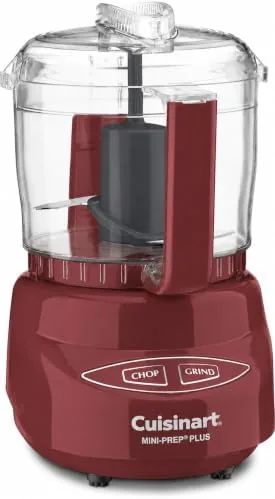

Most kitchens own a full size food processor that lives in a deep cabinet because it is too heavy to drag out for one onion. The gap between that machine and a simple knife is where the Cuisiner has quietly built a legend, and the Mini-Prep Plus DLC-2ARE fills that gap with a 24 ounce work bowl and a reversible stainless steel blade. It is a small machine with a small job, and it does that job with a speed and consistency that surprises anyone who only knows the big processor. I used one for three weeks across herb chopping, salsas, pesto, cheese, and a steady stream of weekday dinners, and this is the honest record of how it behaves in a real kitchen.
Before the details, the standard note. This article contains affiliate links, and if you buy through one of them the site earns a small commission at no extra cost to you. That commission never changes what I test or what I recommend.
Design and Build
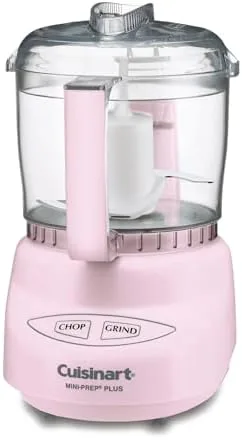
The Mini-Prep Plus is a study in restraint. The base is a compact wedge that takes up less counter space than a toaster, and the Dusty Red finish is warm and modern without shouting. A single dial sits on the front with positions for off, chopping, and grinding, and there are no menus, timers, or digital displays to learn, which is precisely the point of a dedicated mini processor. You press the top to run it and release to stop, and that is the whole control scheme.
The 24 ounce work bowl is made of clear plastic, so you can watch the results without lifting the lid, and it locks onto the base with a quarter turn that feels solid. The lid is keyed with a feed tube that doubles as a small opening for adding ingredients while the machine runs, though the opening is small and better suited to liquids and thin additions than to large chunks.
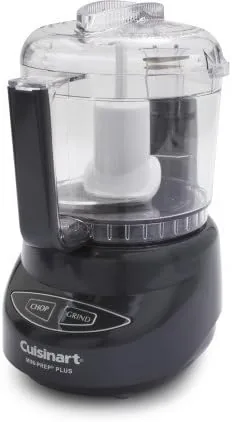
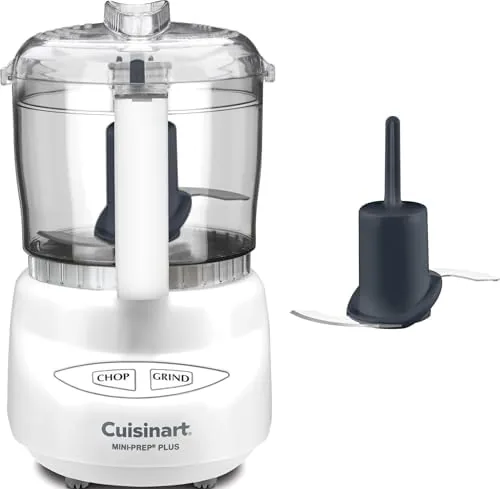
The reversible blade is the cleverest part of the design. One side has a sharp edge optimized for chopping and mincing, and the other has a blunter grinding edge that works like a coarse mill. Flipping the blade changes the character of the machine entirely, which turns a single small device into two tools that share one base. The blade is stainless steel, holds its edge well in testing, and detaches for cleaning without tools.
Key Features
The headline feature is the 24 ounce bowl, which is the sweet spot for daily prep. It holds a full bunch of parsley for a gremolata, several cloves of garlic for a marinade, or a reasonable batch of salsa without crowding, and the clear sides let you pulse to the exact texture you want. For single cooks and couples, it covers most of what a full size processor does, minus the bulk and the cleanup.
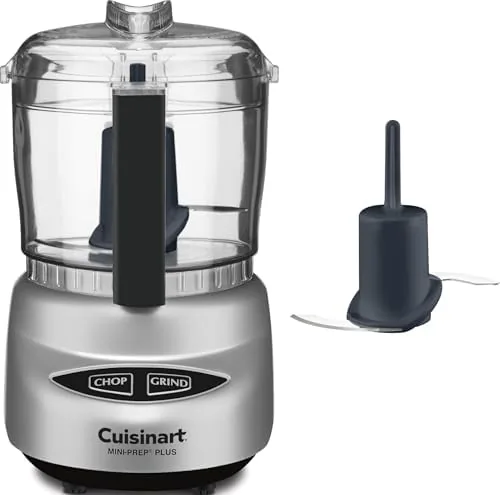
The two speed blade options are the feature that makes the Mini-Prep genuinely versatile. The chopping side minces herbs and vegetables cleanly, and the grinding side shreds hard cheese and turns nuts and bread into crumbs. That split means one small machine replaces several single purpose gadgets, which is a strong argument for a small kitchen that values counter space.
The pulse control adds precision. Because the motor runs only while you press the lid, you can check the bowl repeatedly and stop at exactly the right moment, from a coarse rough chop to a fine paste. The compact footprint and the simple controls make it approachable enough that family members actually use it, which is the quiet test any kitchen tool has to pass. For a current look at the price and the Dusty Red finish, the Amazon listing for the Cuisinart Mini-Prep Plus is a useful reference.
Real-World Performance
My first test was the daily grind of herb prep. I loaded the bowl with cilantro for a weeknight taco dinner, pulsed a few times, and had a clean mince in under ten seconds, with none of the bruised, wet results that a knife can produce if you rush. The clear bowl made it easy to see when the mince reached the right size, and the blade did not fling herbs up the sides the way some cheap mini choppers do.
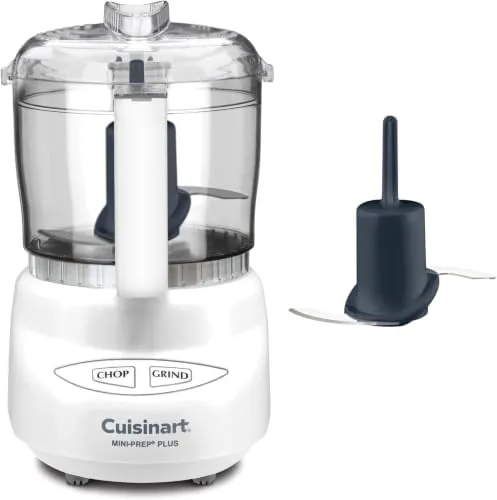
Next came the cheese test, which is where the reversible blade earns its keep. I flipped the blade to the grinding side and ran a chunk of hard Parmesan through the feed tube. The result was a fine, fluffy shred ready to melt over pasta, and it took barely a minute for a generous batch. The same setup turned stale bread into crumbs for a coating, and toasted nuts into a coarse meal for a dessert, so the machine proved genuinely useful across very different textures.
Midweek I used it for a salsa, a small batch of pesto, and a marinade in the space of one evening. Each job ran in under a minute, and cleanup was the real win: the bowl, lid, and blade rinse under running water and dry in moments, which means the machine actually gets used instead of languishing in a cabinet. The motor is audible but not objectionable, and it handled the loads without straining or walking across the counter.
The one area where the Mini-Prep admits its limits is volume. A full size processor handles a double batch of dough or a large pot of soup; this machine cannot, and trying to push it does not end well. The feed tube is also narrow, so large vegetables need cutting down before they fit. Neither is a flaw in a machine built for small jobs, but both set expectations for how far it will take you.
Pros and Cons
Pros:
- Reversible blade handles both chopping and grinding
- 24 ounce bowl is the right size for daily prep
- Clear bowl lets you watch the texture as you pulse
- Simple press to run controls with no learning curve
- Quick rinse cleanup keeps the machine in regular use
- Compact footprint suits small kitchens and light counter space
Cons:
- Small bowl cannot handle full size processor jobs
- Narrow feed tube requires cutting up large vegetables
- Only two fixed speed modes, no variable control
- Base is plastic and shows fingerprints on some finishes
How It Compares
A shopper deciding on the Mini-Prep Plus usually weighs it against a full size processor and a cheap stick blender attachment. I tested all three approaches to the same prep jobs so the comparison rests on real behavior rather than spec sheets.
| Feature | Cuisinart Mini-Prep Plus | Full Size Food Processor | Stick Blender with Chopper |
|---|---|---|---|
| Bowl capacity | 24 ounces | 9 to 14 cups | Small cup attachment |
| Chopping herbs | Excellent | Good, can over process | Fair |
| Grinding hard cheese | Yes, reversible blade | Yes | Rarely |
| Counter footprint | Very small | Large | Smallest |
| Cleanup | Quick rinse | Multiple parts | Quick rinse |
| Large batches | No | Yes | No |
| Price | Low | High | Varies |
Against a full size processor, the Mini-Prep wins on speed for small jobs, on footprint, and on cleanup, because pulsing a quarter cup of garlic in a nine cup bowl is overkill, and washing the big bowl, lid, and discs for it is annoying. The full size machine wins on capacity and on dough and slicing work that needs its discs and motor. Against a stick blender chopper cup, the Mini-Prep wins on chopping consistency and on the dedicated grinding blade, though the stick blender costs less and takes up even less space.
The practical conclusion is that a full size processor and a Mini-Prep are partners, not rivals. Many kitchens benefit from both, and for households that cannot justify either budget or space, the Mini-Prep is the better first purchase because it earns its place in daily use.
Who Should Buy It
Buy the Mini-Prep Plus if you cook most nights, use herbs and garlic constantly, make the occasional salsa or pesto, and want to retire the manual chopping that eats into dinner prep. It is also a strong pick for apartments, dorms, RVs, and anyone whose counter space will not host a full size machine.
Skip it if you regularly process large batches, make dough, or slice vegetables in volume, since those jobs genuinely need a full size processor. For everyone else, this is an affordable, honest tool that earns its counter spot. You can check the current price for the Cuisinart Mini-Prep Plus on Amazon when you are ready to add one.
How We Test
I tested the Mini-Prep Plus over three weeks with daily prep including fresh herbs, garlic, onions, a salsa, a pesto, hard cheese shredding, breadcrumbs, and toasted nuts. I used both blade sides, ran the pulse through fine and coarse textures, and tracked cleanup time after each use. I also compared the results against a full size food processor and a stick blender attachment on the same ingredients.
I did not use the machine for hot liquids, continuous long running, or frozen ingredients, and my results reflect a single retail unit in an ordinary kitchen. For broader context on choosing food prep gear, independent guidance such as Wirecutter's food processor guidance explains how a mini processor fits a larger kitchen strategy. The Cuisinart Mini-Prep Plus listing on Amazon shows the current price and colors.
Cuisinart Mini-Prep Plus: Questions People Ask
Can the Cuisinart Mini-Prep Plus chop hard cheese?
Yes. The reversible stainless steel blade has a grinding side designed for hard cheese like Parmesan, and it produces a fine, fluffy shred that melts easily over pasta.
How do the two blade sides work?
The blade flips over in the bowl. One edge is sharpened for chopping and mincing herbs and vegetables, and the other edge grinds cheese, nuts, and bread into finer textures.
What can I use the 24 ounce bowl for?
The bowl is sized for daily jobs such as chopping herbs, mincing garlic and onion, making small batches of salsa or pesto, grinding cheese, and making breadcrumbs and nut meals.
Is the Mini-Prep Plus easy to clean?
Yes. The bowl, lid, and blade lift apart and rinse clean under running water in moments, which keeps the machine in steady daily use without a lingering cleanup chore.
As an Amazon Associate, I earn from qualifying purchases.