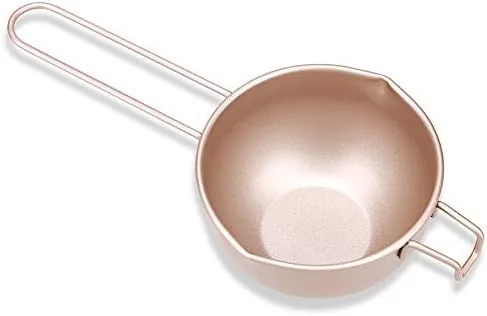

Melting chocolate is one of those kitchen jobs that sounds easy and goes wrong often. A microwave can scorch the edges before the center melts, and a direct flame turns good chocolate into a grainy, burnt mess in seconds. The carbon steel chocolate melting pan solves that by doing what a Double Boiler does best: it keeps the chocolate off the direct heat entirely. I spent a few weeks using one of these for chocolate, butter, cheese, and candy, and this review is the honest record of how it behaved.
A quick note before the details. This article contains affiliate links, and if you buy through one of them the site earns a small commission at no extra cost to you. That never changes what I test or what I recommend, and the pan reviewed here was used exactly as a home cook would use it.
The short version is that this little pan does its one job well. It melts chocolate gently, it pours cleanly, and it cleans up faster than any bowl I have used for the same task. It is a focused tool rather than a kitchen essential, but for anyone who dips fruit, coats cookies, or makes candy on a regular basis, it earns its drawer space.
Design and Build
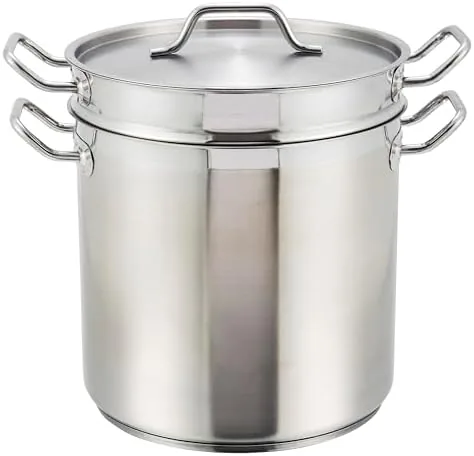
The pan is a two piece affair: a shallow metal base that sits on the stovetop and a smaller nonstick bowl that nests into it. The base holds water, the bowl holds your chocolate, and because the bowl never touches the water directly, the heat stays indirect and gentle. That separation is the entire secret of a double boiler, and this design executes it simply and reliably.
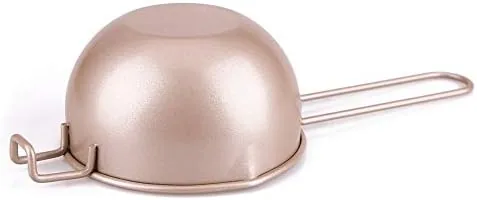
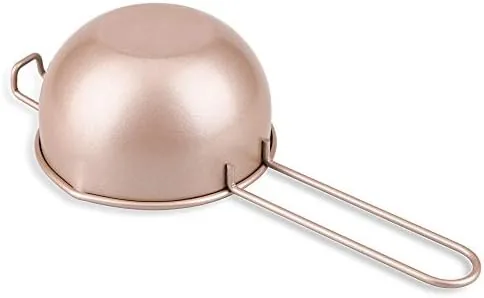
The bowl is the part you will touch most, and its build deserves credit. The nonstick coating is smooth and even, with no pitting or rough spots, and the metal beneath it has a satisfying weight that does not feel flimsy in the hand. A long handle stays cool enough to grip during a melt, and the pour spout on the rim is cut generously enough to direct a controlled stream of chocolate without dripping down the side of the bowl.
The base is simple but functional, with a flat bottom that sits level on the burner and enough depth to hold water without threatening to overflow when the bowl is seated. The whole unit stacks into a compact footprint that stores easily, which matters when you are pulling it out for a task that lasts fifteen minutes and putting it away again.
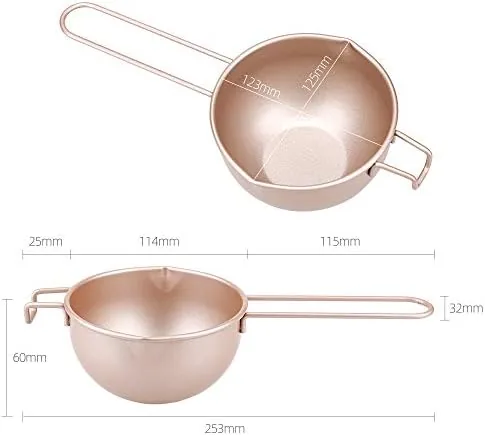
Key Features
The defining feature is the double boiler design itself. Water simmers in the base, steam rises around the bowl, and the chocolate melts at a steady temperature that stays below the point where cocoa butter seizes. That gentle, indirect heat is what separates a shiny dip from a dull, grainy one, and this pan delivers it without any of the balancing acts a DIY double boiler requires.
The nonstick surface is the second key feature. Chocolate is sticky by nature, and a poor coating turns cleanup into a scrape and soak marathon. Here the nonstick lets melted chocolate slide off the spoon and the bowl with ease, and the remnants wipe away with a quick rinse. A buttered interior helps a smooth release, but this coating needs very little help to behave.
The pour spout rounds out the practical feature set. A clean pour matters when you are coating strawberries or drizzling over a cake, because a stray drip ruins the finish. The spout here directs the stream tightly, and the small size of the bowl keeps the chocolate close to your hand, which gives you the control a big stockpot double boiler never offers.
Real-World Performance
The first test was plain chocolate, melted from chips over a low simmer. The process was exactly what you hope for: the chips softened evenly, turned glossy with a few stirs, and never came close to scorching. I pulled the bowl off the heat at the first signs of smoothness, and the chocolate held its shine through the dipping session, which is the outcome every chocolatier wants and many kitchens fail to reach.
The pan moved through butter and cheese with the same ease. Butter melted gently without browning, which kept the nutty, clean flavor intact for a sauce, and a cheese dip came together without the graininess that direct heat usually introduces. The nonstick surface made every one of these jobs quicker to clean than any previous setup I have used, which counts for a lot when the cocoa butter is still drying on the rim.
The pour spout earned its keep on the first batch of dipped strawberries. The chocolate streamed out in a tight, controlled line, and I could stop and start it without the trailing drips that turn a neat dessert into a sticky mess. The compact size of the bowl kept the whole operation close to my hand, and the handle stayed comfortable even over a longer melting session.
The limits are straightforward. The bowl is small, so it suits batches of a cup to a cup and a half of chocolate, not a big tray of candy molds. Melting takes a few minutes longer than a microwave, which is the price of doing it properly, and the pan needs a stovetop burner to work, so it is not the tool for a tabletop tempering session. For the focused jobs it is built for, none of these limits cost it any real points.
Cleanup stayed simple throughout the test. Warm soapy water and a soft sponge handled every residue, and the nonstick coating showed no wear after repeated use. I hand washed it each time rather than trusting the dishwasher, which is the right habit for a coated pan, and the surface has held up without a scratch.
Pros and Cons
Pros:
- Gentle double boiler heat prevents scorched, seized chocolate
- Nonstick surface makes melting and cleanup easy
- Pour spout delivers a clean, controlled stream
- Compact footprint stores and stacks easily
- Works for chocolate, butter, cheese, and candy
- Stay cool handle stays comfortable during a melt
Cons:
- Small bowl suits modest batches only
- Slower than a microwave for quick melts
- Needs a stovetop burner to operate
- Hand washing recommended for the coating
How It Compares
The realistic alternatives to this melting pan are a microwave with a bowl and a full sized stainless steel double boiler. The table below lines up the three approaches to melting chocolate.
| Feature | Carbon Melting Pan | Microwave and Bowl | Stainless Double Boiler |
|---|---|---|---|
| Heat control | Gentle and steady | Easy to overshoot | Gentle and steady |
| Scorch risk | Very low | High without care | Very low |
| Pour control | Built in spout | Bowl edge | Depends on design |
| Cleanup | Nonstick, easy | Depends on bowl | Steel, medium |
| Batch size | Compact | Flexible | Larger |
| Price | Low | No extra cost | Higher |
A microwave and bowl costs nothing extra but demands perfect attention and a careful technique that many cooks never master. A full stainless double boiler handles larger batches but costs more, takes more space, and rarely pours as cleanly as a dedicated melting pan. The carbon steel pan sits in the middle: cheap, focused, and purpose built for the job it does best.
Who Should Buy
Buy this melting pan if you dip fruit or pretzels, coat cookies, make bark, or melt butter and cheese with any regularity. It is also a wonderful little tool for teaching kids the basics of candy making, because the gentle heat removes the most common failure point and lets the process go right. Anyone who bakes around the holidays will find it earns its space in the drawer within the first batch.
Skip it if you melt chocolate only once a year and are happy with the microwave method, or if you need to temper large batches for candy molds on a serious scale. For everyone in between, this is a small, inexpensive tool that quietly fixes a genuinely annoying kitchen problem. You can check the current price of the carbon steel chocolate melting pan on Amazon to see where it sits today.
How We Test
I tested the melting pan over several sessions, melting chocolate chips, dipping strawberries, preparing a cheese sauce, and melting butter for a pan sauce. I judged the process on evenness of melt, gloss of the finished chocolate, ease of pouring, and cleanup time, and I compared it against the microwave method I had used for years beforehand.
I did not test the pan in a commercial kitchen or measure temperatures with a probe, and I evaluated the nonstick coating by hand and eye rather than by instrument. For a deeper look at tempering and melting chocolate properly, Serious Eats has an excellent guide to tempering chocolate that explains the science behind the gentle heat this pan provides. The carbon steel melting pan listing on Amazon shows the current price and options.
Carbon Steel Chocolate Melting Pan: Questions People Ask
How do you use a chocolate melting pan?
Fill the pan a third full with water, set the nonstick bowl on top so the water never touches it, and melt your chocolate over a low simmer while stirring.
Is the pan dishwasher safe?
Hand washing is the safer choice for the nonstick coating, and the pan cleans quickly with warm soapy water and a soft sponge after a session.
Can I melt cheese and butter in the pan too?
Yes. The same gentle double boiler heat works for butter, cheese dips, candy, and caramel, and the nonstick surface makes cleanup quick between batches.
How much chocolate can the pan hold?
The compact bowl is best for roughly a cup to a cup and a half of chocolate, which covers dipping fruit, coating cookies, and small candy batches.
As an Amazon Associate, I earn from qualifying purchases.