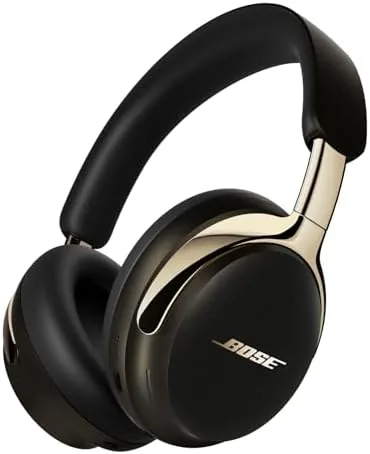

Bose has spent decades building its reputation on one thing: making the world go quiet. The QuietComfort line has been the benchmark for noise cancelling headphones for so long that every rival is measured against it, and the Ultra name is reserved for the best Bose has to offer. The 2nd Gen QuietComfort Ultra arrives in a Desert Gold limited edition color, with spatial audio, a built in microphone, and up to 30 hours of play time. This review is the record of three weeks wearing them through commutes, flights, and long workdays.
Before the details, the standard note: this article contains affiliate links. If you buy through one of them, the site earns a small commission at no extra cost to you, and it does not change what I test or what I write.
Design and Build
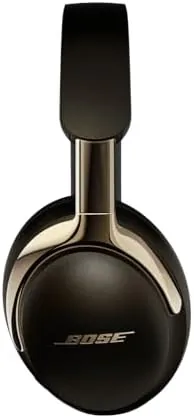
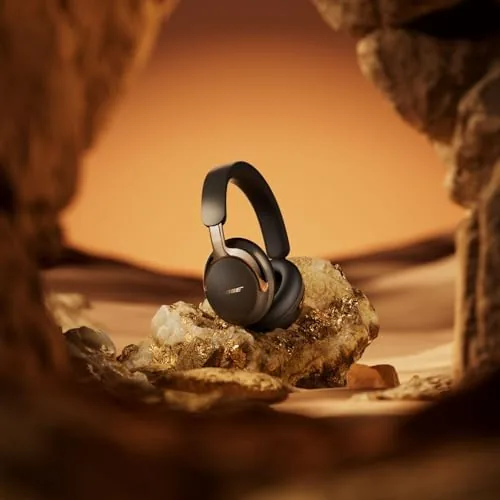
The QuietComfort Ultra 2nd Gen carries the design language that has made the QC line instantly recognizable. The headband is slim and padded, the ear cups are plush over ear cushions wrapped in soft leather-like material, and the whole frame is light enough that you forget you are wearing it. The Desert Gold finish is the point of this edition: a warm metallic tone that stands out from the endless black and white of the headphone market without looking flashy.
Comfort is where Bose has always won, and the 2nd Gen does not break the tradition. The clamping force is gentle, the ear cushions are deep enough that your ears never touch the drivers, and the weight distribution is so even that a four hour session leaves no sore spots. For anyone who flies regularly or wears headphones all day, this is the difference between a tool and an annoyance.
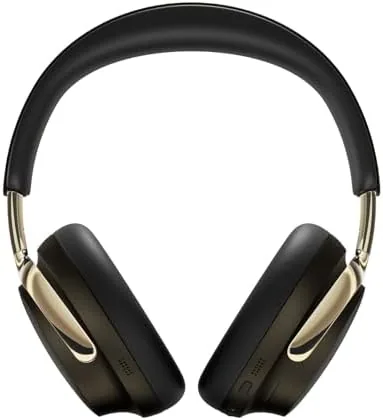
The controls are physical buttons rather than touch surfaces, which is a deliberate and welcome choice. The power and Bluetooth buttons sit on the right cup, and there is a multifunction button for play, pause, calls, and The Noise Cancelling modes. Physical controls are easier to find by feel with gloves on or in a dark cabin, and they never misread a touch the way touchpads can.
Key Features
The headline feature is the adaptive noise cancelling, which Bose calls its QuietComfort technology. Unlike a simple on/off canceller, this system samples the sound around you hundreds of times a second and adjusts the cancellation in real time, so the headphone fights an airplane engine, an office air conditioner, and a busy street with equal authority. It is the best in the business, and the 2nd Gen keeps it there.
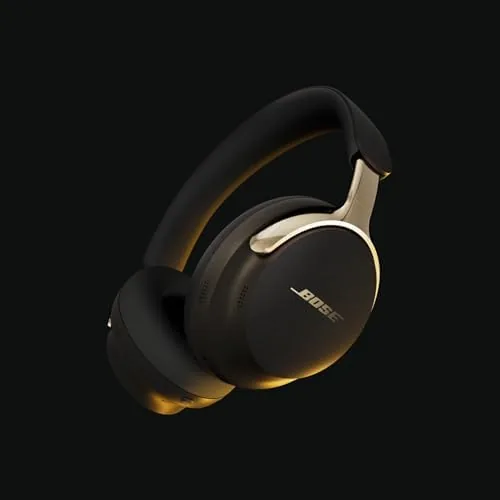
The other pillar is spatial audio, Bose's take on immersive sound. It uses head tracking so that when you turn your head, the sound stage stays fixed in space around you, as if you are sitting in a concert hall rather than wearing headphones. The effect is dramatic on movies and live recordings, and it can be toggled on or off depending on the content.
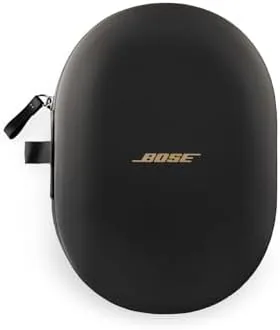
There is a built in microphone array for calls, and Bose's noise rejection for calls is among the best, because it filters out surrounding noise and keeps your voice clear. The battery life is rated at up to 30 hours with noise cancelling on, and the included carrying case doubles as a charging case, adding several more hours. The USB-C charging port is fast, and a quick charge gives several hours from a short plug-in.
Real-World Performance
The noise cancelling is the reason to buy these headphones, and it delivered in every environment I tested. On a flight, the cabin roar collapsed into a faint hush, and I watched a movie at low volume with no awareness of the engines. In a busy coffee shop, the chatter and clatter receded to the point where I could focus on work. The adaptive system is seamless; there is no audible pumping or hiss when the sound environment changes.
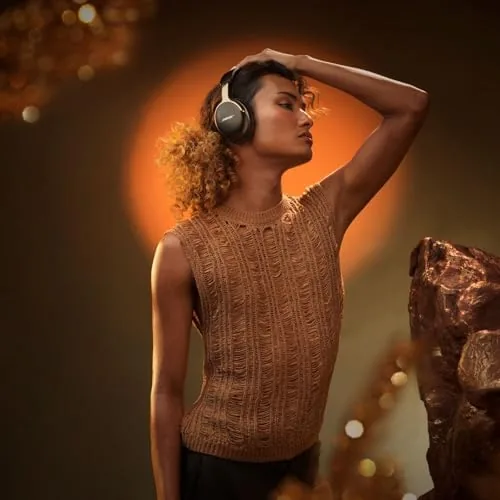
The sound quality is warm and detailed, with a balanced signature that flatters vocals and acoustic instruments. The low end is present but not bloated, which is the Bose house sound, and it handles rock and electronic music with enough energy to be enjoyable. Spatial audio is the differentiator: a live concert recording felt genuinely immersive, with instruments placed around the room, and turning my head revealed new detail in the mix instead of shifting the image with it.
Call quality was a pleasant surprise. In a phone call from a windy street, the person on the other end heard my voice clearly, and the headphone cancelled the traffic noise on my end. The battery held up through the three week test: I charged it twice, and the case added enough for the whole period. The 30 hour figure is believable in real use.
The honest caveats are minor but real. The sound signature is smooth and forgiving rather than analytical, so audiophiles who want a flat studio response will find other options. The spatial audio is impressive but content dependent, and on some tracks it can sound phasey if you prefer a plain stereo mix. And the premium price places the Ultra firmly at the top of the market, which is a commitment not every buyer needs to make.
Pros and Cons
Pros:
- Best in class adaptive noise cancelling
- Exceptional comfort for all day wear
- Immersive spatial audio with head tracking
- Clear call quality with noise rejection
- Up to 30 Hours of Battery plus charging case
Cons:
- High price at the top of the market
- Smooth sound signature, not for strict audiophiles
- Spatial audio works best with compatible content
- Desert Gold is a limited edition, so availability varies
How It Compares
The QuietComfort Ultra 2nd Gen sits in the most competitive category in audio, against the Sony WH-1000XM series and the Apple AirPods Max. Against the Sony, the Bose wins on comfort and the sheer completeness of the noise cancelling, while the Sony offers slightly more adjustable sound and better companion app control. Against the AirPods Max, the Bose is lighter, more comfortable, and substantially cheaper, while the AirPods Max wins on build materials and Apple ecosystem integration.
| Feature | Bose QC Ultra 2nd Gen | Sony WH-1000XM Series |
|---|---|---|
| Noise cancelling | Best in class adaptive | Excellent |
| Battery | Up to 30 hours | Up to 30 hours |
| Spatial audio | Yes, with head tracking | Yes |
| Comfort | Class leading | Very good |
| Sound | Warm and balanced | Highly adjustable |
The honest verdict is that the choice is close, and it comes down to preference. If comfort and effortless noise cancelling are everything, the Bose wins. If you want deep control over the sound and an app that customizes everything, the Sony may suit you better.
Who Should Buy It
Buy the Bose QuietComfort Ultra 2nd Gen if you fly or commute regularly and want the strongest noise cancelling you can buy, if you wear headphones for long workdays and comfort is non-negotiable, or if you want the Desert Gold edition as a distinctive take on a premium product. The spatial audio adds real value for movie watching and live recordings.
Skip it if you are on a budget and a mid range pair covers your needs, or if you want a flat analytical sound for critical listening. If the headphones sound right, you can check the current Bose QuietComfort Ultra price on Amazon.
How We Test
I wore the Bose QuietComfort Ultra 2nd Gen for three weeks across flights, commutes, coffee shops, and full workdays, and I tested the noise cancelling in every environment, the spatial audio with music and movies, the call quality on real phone calls, and the battery through normal use.
I compared the headphones with the Sony WH-1000XM series and the Apple AirPods Max, which are the honest reference points in this price class, and I judged them on the qualities that matter most: comfort, noise cancelling, sound, and battery. I did not use lab measurement rigs, because real world wear is the test that matters for headphones. For measured analysis, The Verge has reviewed the QuietComfort Ultra line.
The Bose QuietComfort Ultra listing on Amazon has the current price and color availability.
Bose QuietComfort Ultra Headphones: Questions People Ask
Are the Bose QuietComfort Ultra headphones comfortable for long use?
Yes. The plush ear cushions and light frame are among the most comfortable in the category, and they stay that way for hours of wear, which is the quality Bose is known for.
How good is the noise cancelling on the 2nd Gen?
It is excellent. The adaptive noise cancelling removes most airplane, office, and household noise, which is the main reason to buy these headphones, and it adjusts smoothly as the environment changes.
How long does the battery last on the QuietComfort Ultra?
Around 30 hours with noise cancelling on, and several extra hours come from the carrying case charger, so a full week of commuting is realistic on one charge.
Is spatial audio worth it on the QuietComfort Ultra?
For music and movies it adds a wider, more immersive stage, and the head tracking keeps the sound fixed in space around you, though it is a feature you may turn off for pure stereo listening.
As an Amazon Associate, I earn from qualifying purchases.