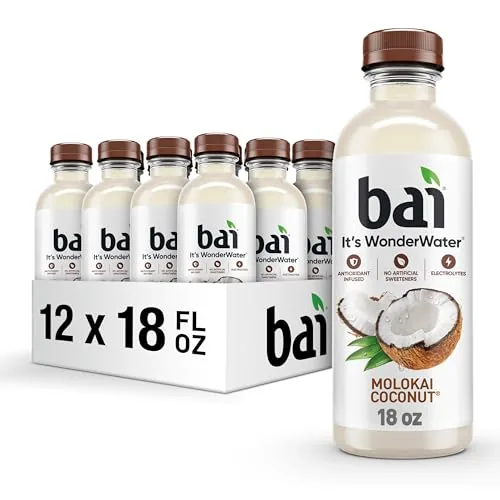

Flavored water sits in a strange place on the beverage shelf. The clear bottles look healthy, but too many of them hide an alarming amount of sugar behind a bright label. Bai built its reputation on the opposite approach: antioxidant infused water that is low in calories and sweetened without artificial sweeteners. The Molokai Coconut flavor is one of the more interesting entries in the line, because coconut drinks are normally a category of their own, often packed with natural sugars and calories. This version promises the light tropical taste of coconut with vitamin C and none of the artificial sweeteners. I bought a 12 pack of the 18 fluid ounce bottles, tasted them fresh and chilled, read the nutrition label line by line, and here is the honest picture.
Before the details, the standard note. This article contains affiliate links, and if you buy through one of them the site earns a small commission at no extra cost to you. That commission never changes what I test or what I recommend.
Design and Bottle Format
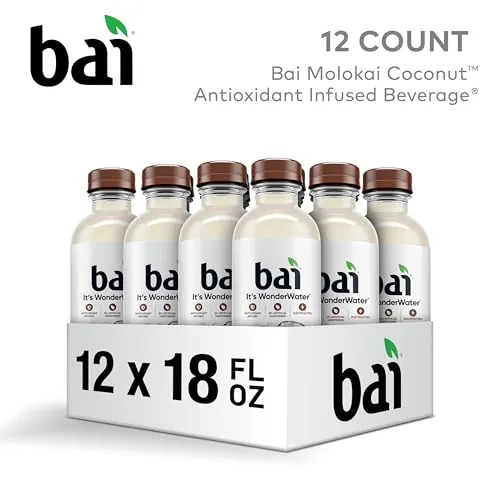
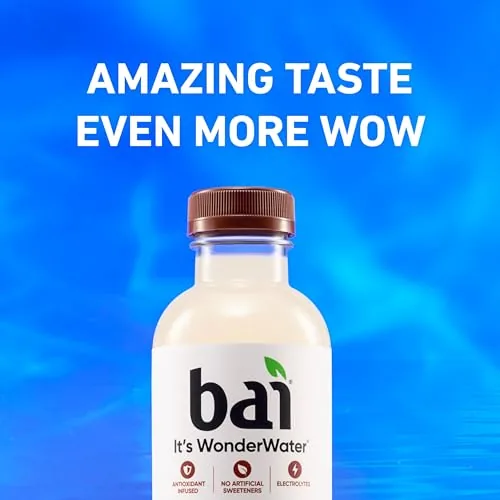
The 18 fluid ounce bottle is larger than the standard 16.9 ounce water bottle, which is a small but real difference in a 12 pack. Each bottle is clear, tall, and easy to grip, with a label that clearly advertises the antioxidant angle and the no artificial sweeteners claim. The Molokai Coconut artwork leans into the tropical theme with a clean, modern look that reads more premium than the price suggests.
The bottle cap is standard and reseals well, which matters if you do not finish a bottle in one sitting. At 18 ounces the format is a compromise between a snack drink and a hydration bottle, and I found it convenient for a desk or a lunch bag. The plastic is the same lightweight PET used across the beverage industry, so there is nothing special about the packaging itself, but it is practical and stackable in a fridge.
Key Features
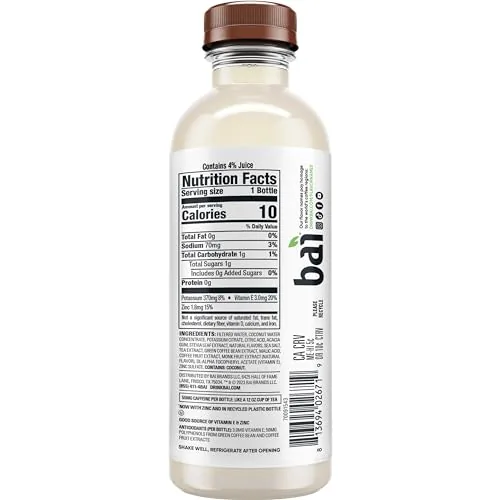
The central claim on the label is the antioxidant infusion. Bai sweetens its water with a blend that steers clear of artificial sweeteners, and adds vitamin C to the recipe. For the Molokai Coconut flavor that translates into a product that is dramatically lower in calories than a coconut juice or a sweetened tea, while still offering a touch of sweetness that makes it drinkable.
The flavor profile is the other headline feature. Molokai coconut is not a straight coconut water clone. It is softer and sweeter, with a gentle creaminess that evokes coconut milk more than the thin, nutty character of raw coconut water. There is a light tropical finish and none of the metallic or bitter note that some stevia drinks carry, which is the place where Bai does its best work.
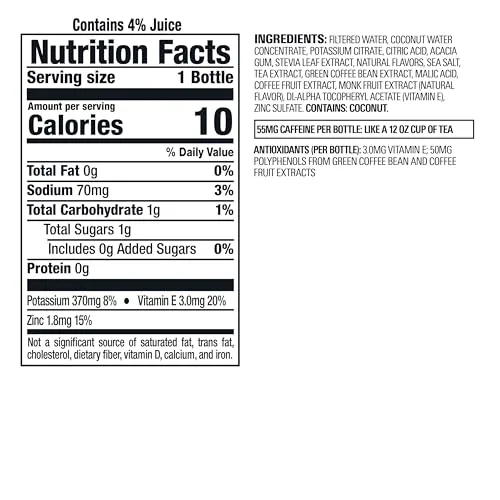
For a current look at the price of a case, the Amazon listing for Bai Molokai Coconut 18 ounce 12 pack is a useful reference.
Real-World Performance
Tasting matters more than marketing, so I drank these cold, room temperature, and over ice over a full week. Chilled, the Molokai Coconut is at its best: the coconut flavor is present but polite, the sweetness is moderate rather than cloying, and the aftertaste is clean. Room temperature the sweetness steps forward and the coconut recedes, so it is a drink that rewards being kept cold.
I compared it side by side against a plain coconut water and against a sweetened flavored tea. The plain coconut water tasted more authentic and had a saltier, more mineral edge that athletes often want, but it also carried noticeably more calories. The sweetened tea was sweeter and more indulgent but brought none of the lightness. Bai sits in a genuine middle lane: it reads as a flavored water rather than a juice, which is exactly what the label promises.
The vitamin C claim is straightforwardly backed by the label, which lists a meaningful share of the daily value per bottle. The antioxidant angle is the kind of marketing that deserves a skeptical eye, because the practical effect of antioxidant infused water on health is modest at best, but Bai is honest about the content on the label rather than hiding it behind vague wording. For everyday hydration with a tropical twist, the product does exactly what it sets out to do. The practical side of the 12 pack is worth a mention too. The case stores cleanly in a fridge or a pantry, and the bottle format pours easily over ice without splashing. I tried the Molokai Coconut as a base for a spritzer with sparkling water, and it held up well, which means the drink is not limited to straight sipping. At 18 ounces per bottle the pack is easy to portion across a week, and the resealable cap meant a half finished bottle stayed fresh in The Fridge until the next day. For a household that wants a stocked shelf of drinks without loading up on sugar, the case format is the practical buy.
Pros and Cons
Pros:
- Very low calories compared to coconut juice or sweet tea
- No artificial sweeteners and a clean stevia finish
- Vitamin C content is clearly stated on the label
- Pleasant, restrained coconut flavor when served cold
- 18 ounce bottles give a little more per pack
- Resealable caps keep opened bottles fresh
Cons:
- Does not taste like authentic coconut water
- Sweetness grows at room temperature
- Antioxidant health claims are easy to oversell
- Not a hydration substitute after heavy exercise
How It Compares
To place Bai fairly, I compared it against plain coconut water and a mainstream sweetened flavored drink on the metrics that most shoppers actually weigh.
| Feature | Bai Molokai Coconut | Plain Coconut Water | Sweetened Flavored Tea |
|---|---|---|---|
| Calories per serving | Very low | Moderate | High |
| Sweetener | Stevia blend | None natural | Sugar |
| Coconut taste | Soft and creamy | Authentic and mineral | None |
| Vitamin C | Added | Trace | Usually none |
| Best served | Chilled | Chilled | Any |
| Best for | Everyday hydration | Post workout | Sweet cravings |
Against plain coconut water, Bai wins on calories and price per bottle but loses on authenticity and mineral content. Against a sweetened tea, Bai wins on every health metric and still delivers enough flavor to feel like a treat. The honest verdict is that Bai Molokai Coconut is the best choice among the three for someone who wants a light tropical drink every day Without the calorie cost, and it is a fair trade for anyone who specifically wants the real coconut water experience.
Who Should Buy It
Buy Bai Molokai Coconut if you are tired of plain water, want something lightly flavored and sweet, and do not want to spend your daily calorie budget on beverages. It suits desk workers, commuters, and anyone building a stocked fridge of drinks that will not undermine a health goal.
Skip it if you want the genuine salt and mineral profile of real coconut water after exercise, or if you prefer aggressively sweet drinks, because Bai is deliberately restrained. For everyone in between, this is a likable, honest flavored water that earns a spot in the rotation. It works equally well for a lunch bag, a gym cooler, or a stocked office fridge, and the restrained sweetness means it pairs with a meal rather than competing with it. You can check the current price for the Bai Molokai Coconut 12 pack on Amazon when you are ready to restock.
How We Test
I tested the 12 pack over a week, drinking the Molokai Coconut cold, room temperature, and over ice, and comparing it directly against plain coconut water and a sweetened flavored tea. I read the nutrition panel line by line to verify the calorie, sugar, sweetener, and vitamin C claims, and I checked the bottle count and fill level across the full case.
I did not run laboratory analysis on the antioxidant content, since the label numbers are the reliable reference, and I did not attempt to treat the drink as a medical or hydration therapy product. For context on how flavored water drinks are evaluated by health writers, outlets such as CNET's health and wellness section cover how these products stack up. The Bai Molokai Coconut listing on Amazon shows the current price and pack sizes.
Bai Molokai Coconut: Questions People Ask
Does Bai Molokai Coconut actually taste like coconut water?
It Tastes Like a sweeter, softer coconut drink rather than raw coconut water, with a gentle creaminess and a light tropical finish that most people find easy to drink.
How many calories are in each bottle of Bai Molokai Coconut?
Each 18 fluid ounce bottle is very low in calories, in line with the brand range, which keeps it well below most sweetened drinks and juices.
Is Bai Molokai Coconut sweetened with anything artificial?
No. The brand uses no artificial sweeteners in this line, relying instead on a stevia based blend that adds sweetness without a bitter aftertaste.
How much vitamin C does an 18 ounce bottle of Bai provide?
A single bottle contributes a meaningful share of the daily vitamin C value, which is why the brand markets the drink as antioxidant infused water.
As an Amazon Associate, I earn from qualifying purchases.