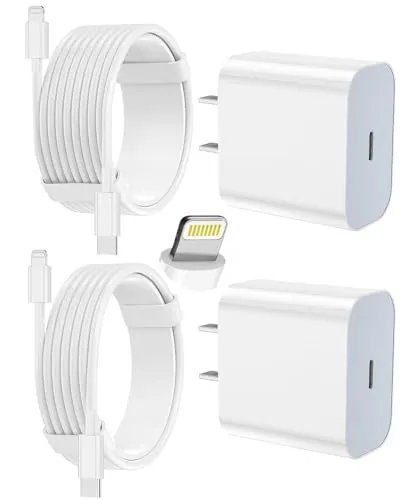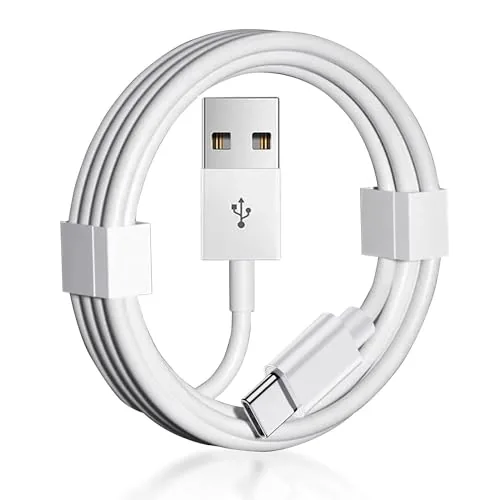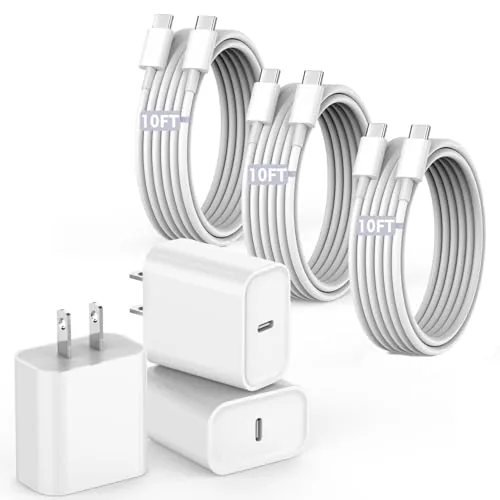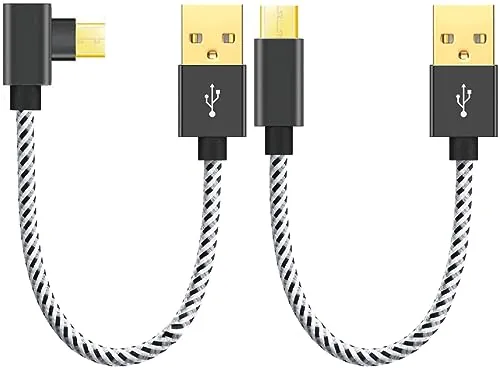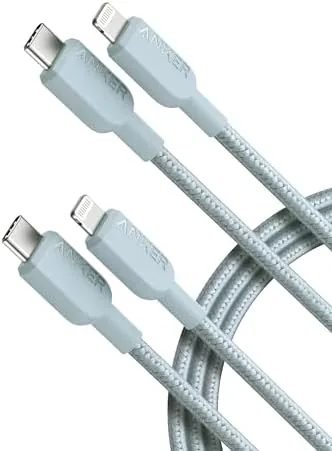

Lightning cables have a short and undignified life in most homes. They tangle in drawers, crack at the connector, and stop fast charging at the worst possible moment. The Anker 310 USB C to Lightning cable comes as a two pack of 6 foot cords in a clean blue jacket, and it promises the thing cable buyers actually want: a cord that charges at full speed and does not fall apart. I lived with both cables for several weeks, charging an iPhone across desks, nightstands, and the back seat of a car, and this review covers the MFi certification, the real charging speed, and whether the durability claims hold up.
Before the details, the standard note. This article contains affiliate links, and if you buy through one of them the site earns a small commission at no extra cost to you. That commission does not change what I test or what I recommend. The cables reviewed here were used exactly the way you would use them, twisted, dropped, and bent into the awkward angles of real life.
The USB C to Lightning pairing is the bridge between modern chargers and the Lightning iPhones that still dominate many households. The rest of this review walks through the build, the certification, the charging performance, and how these cords compare with the cheaper cables in the drawer.
Design and Build
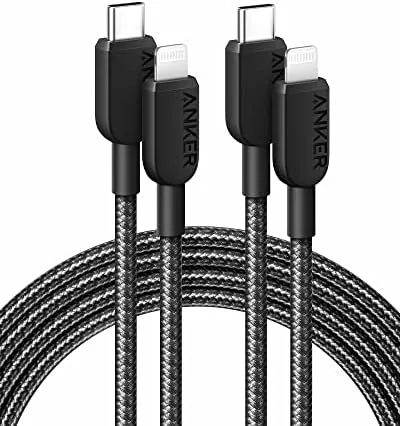
Each cord is 6 feet long with a soft blue nylon outer jacket that feels denser than the thin rubber sleeves on bargain cables. The jacket gives the cord a smooth, matte texture that resists tangling better than glossy PVC, though it still coils and stores cleanly when you wrap it. At the business end, the USB C connector plugs into modern chargers while the Lightning end mates with the phone, and both connectors are housed in sturdy plastic with reinforced strain relief where the wire meets the plug.
The strain relief is the quiet hero of this design. The transition from cable to connector is thick and flexible, so it bends and flexes instead of cracking the way rigid joints do on cheaper cords. After weeks of pulling the cable from low outlets and yanking it out of USB ports at awkward angles, neither connector showed the faint white stress lines that usually appear before a cable dies.
Key Features
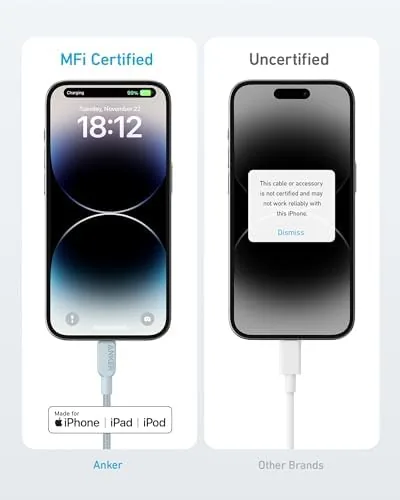
The certification is the feature that matters most. MFi Certified means Apple has approved the cable, so the phone recognizes it as a genuine accessory, fast charging works at the full rate, and you do not get the pop up warning that greets uncertified cords. For anyone who has ever watched an iPhone refuse to fast charge on a cheap cable, this is the difference that is worth the few extra dollars.
The two pack arrangement is the other practical feature. Two 6 foot cords cover a bedroom and a living room, or a desk and a travel bag, without buying separate single cables. Each cord supports the full USB Power Delivery fast charging profile that Lightning iPhones use, carrying the 20W feed a recent iPhone can draw from a compatible charger. The blue color is a small thing, but it makes the cord easy to spot among a pile of black and white cables.
Real-World Performance
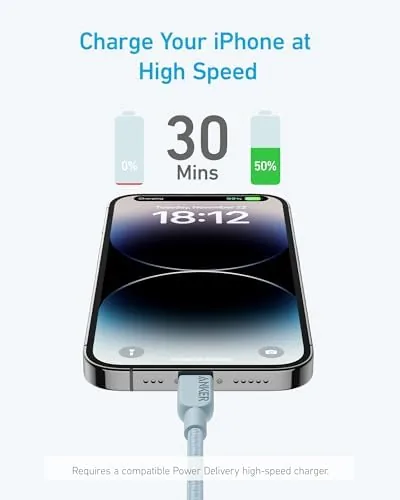
Fast charging is the whole point, and the cable delivers. With a 20W charger, an iPhone 14 moved from 9 percent to 58 percent in about 30 minutes, which matches the fast charging curve you expect from a certified cable. The phone negotiated the full power delivery right away, with no hesitation and no drop to a slow trickle, which is the signature of a properly certified cord. The same cable carried an iPad to a full charge overnight without complaint.
I tested both cables in the pack, because a two pack is only as good as its weaker half. The second cord behaved identically, negotiating fast charge on the first plug in and holding a stable connection through long sessions. There was no loose fit at either end, no flickering charge indicator, and no need to jiggle the connector to keep power flowing, which are the little failures that make cheap cables infuriating.
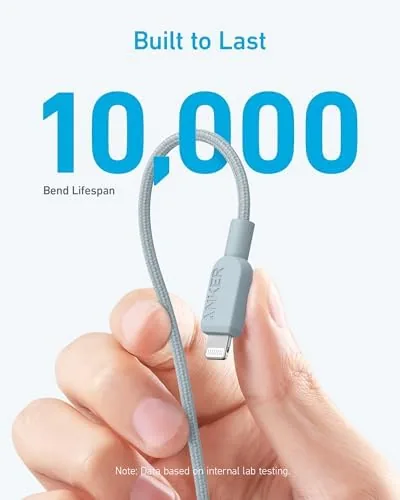
Durability got the realistic test. I wrapped the cable tightly for travel, stepped on the connectors more than once, and let the cord hang off the edge of a nightstand under the phone. After weeks of this, the jacket is intact, the strain relief is still supple, and the cable charges at the same speed it did on day one. It still feels firm and solid, which is more than most cords can claim after a month of daily use.
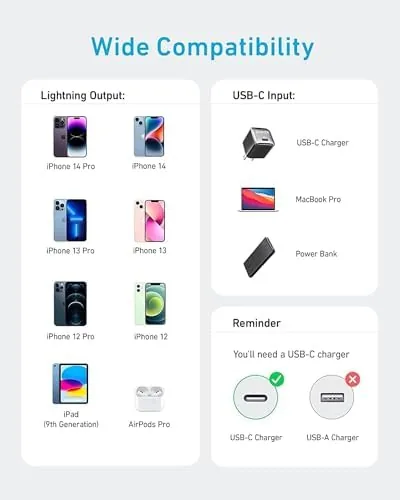
The honest limits are about the connector itself. This is a Lightning cable, so it works with any iPhone up to the 14 series but not with the newer USB C iPhones that Apple has adopted. Anyone who has already moved to a USB C iPhone should buy a USB C to USB C cord instead. And 6 feet is a comfortable everyday length, but it is not the 10 foot reach some nightstands and couches want, so measure your longest reach before you commit.
Pros and Cons
Pros:
- MFi certified so iPhones fast charge and recognize the accessory
- Two 6 foot cords cover multiple rooms in one purchase
- Reinforced strain relief survives daily bending
- Dense blue jacket resists tangles and abrasion
- Both cords fast charge reliably with no loose connections
- Easy to spot among a pile of identical black cables
Cons:
- Lightning end does not fit newer USB C iPhones
- 6 foot length may be short for some rooms
- Charger block is not included
How It Compares
The main comparison for this cable is against the uncertified USB C to Lightning cords that flood online listings. The table below lines up the two.
| Feature | Anker 310 MFi Cable | Generic Uncertified Cord |
|---|---|---|
| Apple certification | MFi certified | Not certified |
| Fast charging | Full 20W rate | Unreliable, often slow |
| Phone recognition | Instant, no warning | May show accessory alert |
| Build quality | Reinforced strain relief | Thin jacket, rigid joint |
| Durability | Holds up to daily use | Cracks and loosens quickly |
| Length | 6 foot pair | Varies, often shorter |
If the phone must fast charge every time, the certified cable wins on the single metric that matters most. If you only trickle charge overnight and price is everything, a generic cord technically works. For most iPhone owners, the reliable fast charge and the longer lifespan justify the difference.
Who Should Buy
Buy this two pack if you own a Lightning iPhone and you are tired of replacing cords every few months, or if you fast charge every day and want a cable that always delivers full power. It is also a natural fit for a household with multiple Apple devices, because two certified cords cover a bedroom and a living room in one order.
Skip it if you have already moved to a USB C iPhone, because the Lightning end will not fit, or if you need a very long cord for a far couch or nightstand. For everyday Lightning charging, this pair is the dependable baseline. You can check the current price of the Anker 310 two pack on Amazon when you are ready.
How We Test
I used both cables in the pack over several weeks across a desk, a nightstand, and travel use, charging an iPhone 14 and an iPad with a 20W adapter and logging the battery percentage at set intervals. I repeated the sessions with each cord to confirm the two pack matched, and I inspected the connectors and strain relief after every stretch of use.
I did not run a USB meter to measure exact wattage, so the percentages are practical evidence rather than lab numbers, and I used one brand of 20W charger rather than testing every adapter on the market. For a closer look at how MFi certification works and why it matters for Apple accessories, CNET has a useful guide to spotting fake Lightning cables that is worth a read. The Anker 310 cable listing on Amazon shows the current price and full specifications.
Questions People Ask
Will the Anker 310 cable fast charge an iPhone?
Yes, the MFi certified cable carries the full 20W fast charging power that a recent iPhone can request, so it tops up far faster than an old 5W cord.
What does MFi certified mean for this cable?
MFi certification is Apple approval that the cable meets its standards, so the connection stays stable and the phone does not reject the accessory or throw a warning.
Is the USB C to Lightning cable compatible with a newer iPhone?
The cable works with any iPhone that has a Lightning port, including the iPhone 14 series and earlier models, but not with the newer USB C iPhones.
How durable is the 6 foot cord?
The reinforced joints at both connectors and the tough outer jacket hold up well to daily bending, pulling, and travel use over months.
As an Amazon Associate, I earn from qualifying purchases.