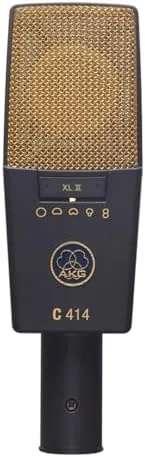

Some microphones are bought once and kept for a career. The AKG C414 is one of those names, a large diaphragm condenser that has appeared on countless records since it was introduced decades ago, and the XLII version is the model aimed at close vocals and solo instruments. It is a dual capsule microphone with nine selectable polar patterns, a PAD switch for loud sources, and a price that puts it firmly in the professional category. I spent several weeks recording vocals, acoustic guitar, and voiceover with one, comparing it against other studio condensers, and this is the honest record of what it delivers.
Before the details, the required disclosure. This article contains affiliate links, and if you buy through one of them the site earns a small commission at no extra cost to you. That commission never changes what I test or what I recommend.
Design and Build
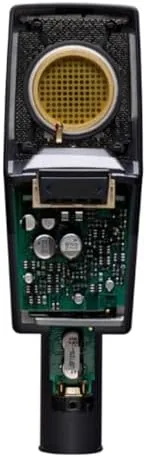
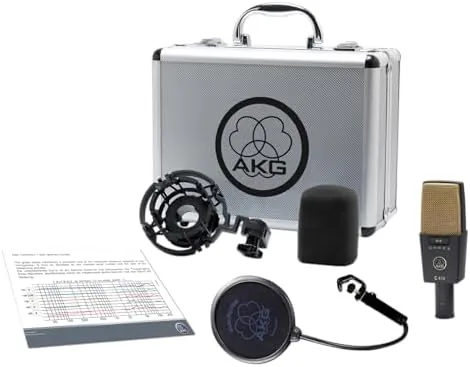
The C414 XLII is a substantial microphone, longer and heavier than most condensers, wrapped in a gray and gold finish that reads as unmistakably premium. The body is solid all metal construction with the familiar AKG grille covering the large diaphragm capsule, and the weight gives it a planted, reassuring feel on a shock mount. The microphone ships with a rugged aluminum carrying case that holds the microphone and its accessories snugly, a deliberate touch that signals this is a tool meant to travel between sessions without mishap.
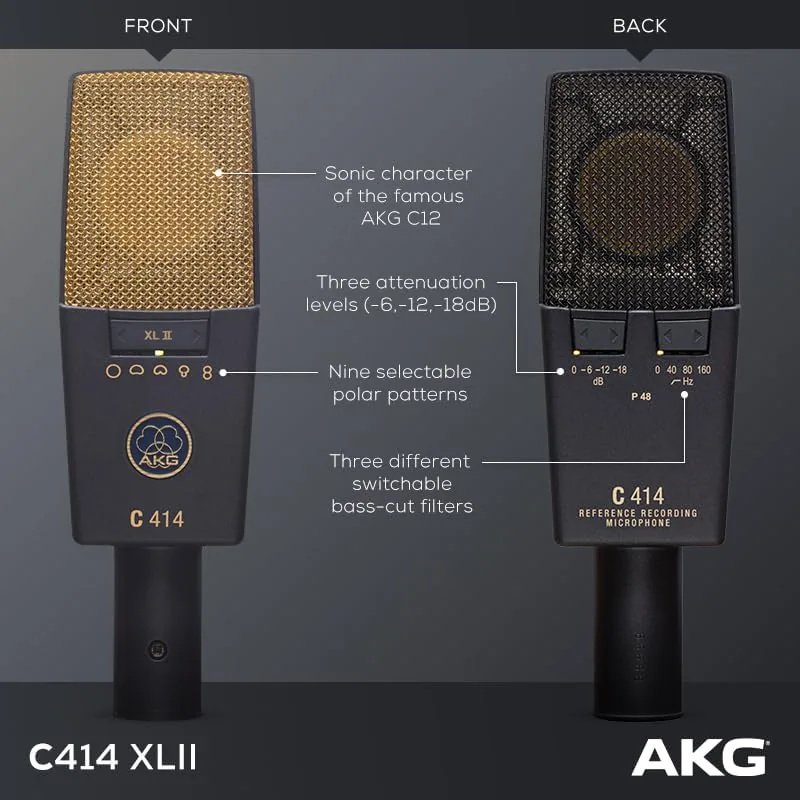
Around the body sit a row of control switches that are positioned flush with the surface. The switches are the polar pattern selector, the PAD switch, and the bass filter, and they are arranged so you can make a change while the microphone is mounted without reaching awkwardly. The switches have firm, positive detents that click into place, which matters because you do not want a pattern to shift mid take. The overall build is the kind you expect from a serious studio microphone, tough enough for years on a stand.
Key Features
The headline feature is the nine selectable polar patterns produced by the dual large diaphragm capsule. You can move from omnidirectional, which picks up sound from all directions for group or room recording, through cardioid for the standard close vocal sound, to figure eight for side rejection and certain stereo techniques, with several intermediate patterns in between. That range of control on a single microphone is what makes the C414 a versatile studio staple.
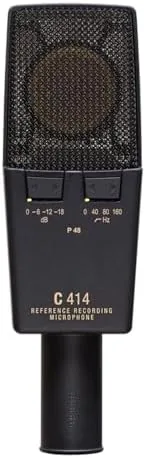
The PAD switch lets you attenuate the incoming level by a set amount, up to 20 dB, which is essential when you put a condenser in front of a loud acoustic drum or a cranked amplifier. Without the pad, even a high quality preamplifier can clip on a transient spike, and the PAD keeps the signal clean. The bass filter switch rolls off the low end to reduce rumble and proximity buildup when you are working close to the capsule for vocals.
The XLII voiced difference is the reason this specific version exists. The XLII has a gentle lift in the high frequencies compared to the classic C414 models, which adds a touch of presence and air to vocals and makes the microphone flattering for spoken word and close mic singing. It is a microphone that records a slightly refined, polished character out of the box rather than a completely neutral one. For a current look at the price, the Amazon listing for the AKG C414 XLII is a useful reference.
Real-World Performance
My first session was a male vocal into a small home studio interface. I set the microphone to cardioid, engaged the low cut filter, and ran a take. The vocal came back with a clear, detailed quality and just the right amount of presence in the upper mids, the kind of sound that sits forward in a mix without harshness. The high frequency lift was audible but controlled, giving the voice an airy, polished sheen that many condensers need external EQ to reach.
I moved to acoustic guitar with the pattern on cardioid and the microphone positioned near the twelfth fret. The guitar sounded full and articulate, with a believable sense of the body resonating, and the transient of the pick attack came through cleanly without exaggerating finger noise. Switching to the omnidirectional pattern for a room take changed the character entirely, capturing more of the space and a softer, more natural blend, which showed real value in having the pattern options at hand.
I also tested the PAD on a loud source, placing the microphone close to a snare drum in a quick experiment. With the PAD engaged the transient stayed clean and did not distort, and pulling the PAD off showed the full output hitting the preamplifier harder, which confirmed the pad does real work on loud material. The low cut filter did its job on a close vocal take, taming the proximity effect that would otherwise muddy the low end.
The one thing to note is that a condenser like this reveals everything. It picks up room reflections, breath, and background hum with equal honesty, so the room and the interface matter as much as the microphone. In a less treated room the detail can work against you, which is a reality of any high quality condenser rather than a flaw. For a treated space and a decent preamplifier, the C414 XLII delivers a professional, confident result that justifies its reputation.
Pros and Cons
Pros:
- Nine polar patterns offer studio grade versatility
- Flattering high frequency lift for vocal presence
- Dual large diaphragm capsule captures detailed sound
- PAD switch handles loud sources without distortion
- Ruuged metal build with a premium aluminum case
- Low cut filter tames proximity effect on close takes
Cons:
- Premium price places it firmly in the professional tier
- Requires 48V phantom power to operate
- Reveals room noise and interface quality honestly
- Large and heavy compared to many condensers
How It Compares
Large diaphragm condensers come in many flavors, from affordable all rounders to premium workhorses. I compared the C414 XLII against a lower cost studio condenser and an alternative large diaphragm classic to show where it earns its price.
| Feature | AKG C414 XLII | Budget Condenser | Large Diaphragm Classic |
|---|---|---|---|
| Polar patterns | Nine | One or two | Several |
| High frequency lift | Yes, present | Varies | Milder |
| PAD switch | Yes, up to 20 dB | Often none | Usually yes |
| Build quality | Premium metal | Plastic or light | Solid |
| Price | High | Low | High |
| Best for | Pro recordings | Home beginners | Versatile studio |
Against a budget condenser, the C414 XLII wins clearly on versatility and sound quality, with nine patterns versus one or two and a more refined, detailed capture. The budget model wins on price and is a sensible starting point, but it cannot match the C414's flexibility across loud and quiet sources. Against another large diaphragm classic, the differences narrow, and the choice comes down to voicing: the XLII's brighter presence makes it more flattering for close vocals, while a more neutral classic suits a wider range of material. For serious vocal and instrument work where you want control and character, the C414 XLII is a strong, authoritative choice.
Who Should Buy It
Buy the AKG C414 XLII if you are serious about recording vocals and acoustic instruments and you want a single microphone that can do close vocal takes, room recording, and loud sources through its pattern and pad controls. It is a strong long term investment for a studio that does voiceover, singing, or solo acoustic work and wants a premium, reliable tool.
Skip it if you are just starting out and a budget condenser with a couple of patterns will cover your needs, or if you prefer an utterly neutral voicing and do not want the XLII's high frequency character. For a recording setup that needs a flagship workhorse, this is a microphone with the flexibility and detail to last a career. You can check the current price for the AKG C414 XLII on Amazon when you are ready to raise your tracking quality.
How We Test
I recorded with the C414 XLII over several sessions in a small home studio, covering a male vocal, an acoustic guitar, and a voiceover passage. I switched between cardioid, omnidirectional, and figure eight patterns to hear the differences, and I used the PAD switch on a loud snare drum transient to verify it prevents clipping.
I engaged the low cut filter on a close vocal take to check proximity control, and I ran the microphone through a standard audio interface with phantom power. I did not test the microphone in a fully treated broadcast studio, and my room was a modestly treated home space, so the results reflect that environment. For guidance on polar patterns and microphone technique, educational references such as Sound On Sound's primer on polar patterns explain the choices this microphone offers. The AKG C414 XLII listing on Amazon shows the current price and available options.
AKG C414 XLII Microphone: Questions People Ask
What is the difference between the C414 XLII and other C414 versions?
The XLII has a richer, more pronounced presence in the high frequencies and a slightly different pattern curve than other C414 models, which makes it a common choice for close vocal work that wants a polished, forward sound.
How many polar patterns does the C414 XLII offer?
It offers nine selectable polar patterns, from omnidirectional through cardioid to figure eight and intermediate settings, all controlled by a switch on the microphone body.
Does the C414 XLII need phantom power?
Yes. It is a condenser microphone and requires 48V phantom power from an audio interface, mixer, or preamplifier to operate, so you need gear that supplies it.
Can the C414 XLII handle loud sources?
Yes. The microphone includes a PAD switch that reduces the signal level by up to 20 dB, which lets it record loud drums and amplifiers cleanly without distortion.
As an Amazon Associate, I earn from qualifying purchases.