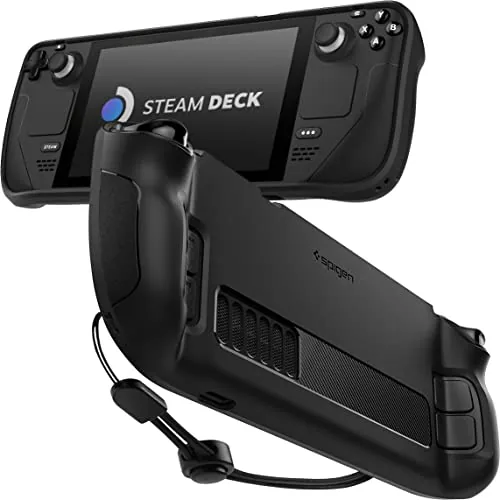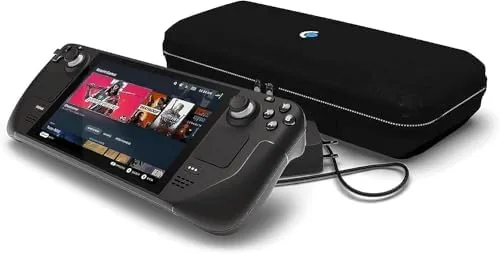

The idea of a full PC in your hands used to be a marketing fantasy, a machine that would turn your whole Steam library into a portable console. The Valve Steam Deck actually delivered on that promise, and it reshaped how people think about handheld gaming in the process. The renewed 256GB model brings that same hardware in at a lower price, which raises an obvious question: is a refurbished Steam Deck a good buy, or a gamble wrapped in a discount? I bought a renewed unit, put it through a month of games, travel, and daily use, and this review records exactly what a buyer should expect from a certified refurbished Steam Deck.
A note before the details. This article contains affiliate links, and if you buy through one of them the site earns a small commission at no extra cost to you. That commission does not change what I test or what I recommend, and the device reviewed here was used the way any owner would use it.
The Steam Deck is a handheld PC with a 7 inch touchscreen, twin analog sticks, a full button layout, and a battery that makes it genuinely portable. The rest of this review covers the renewed condition, the gaming experience, the battery, the controls, and who should buy one.
Design and Build
The renewed unit I received showed the signs of a used but well-serviced device. The outer shell had a few light scuffs and the screen had no significant scratches, and everything else felt factory-fresh. The controls were tight, the buttons registered cleanly, and the thumbsticks had no drift or slop. A renewed device will not look like it just left a sealed box, but functionally it behaved like new hardware.
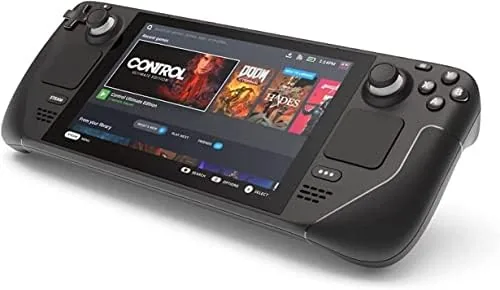
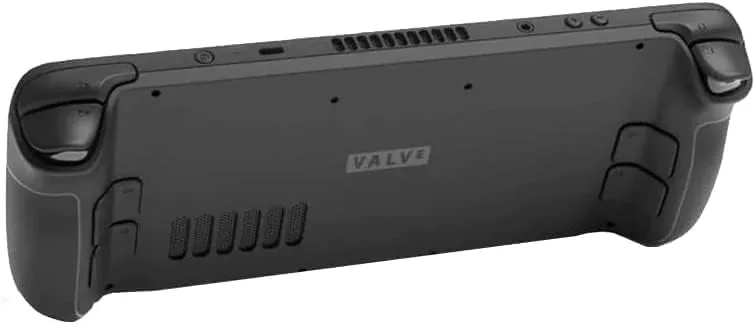
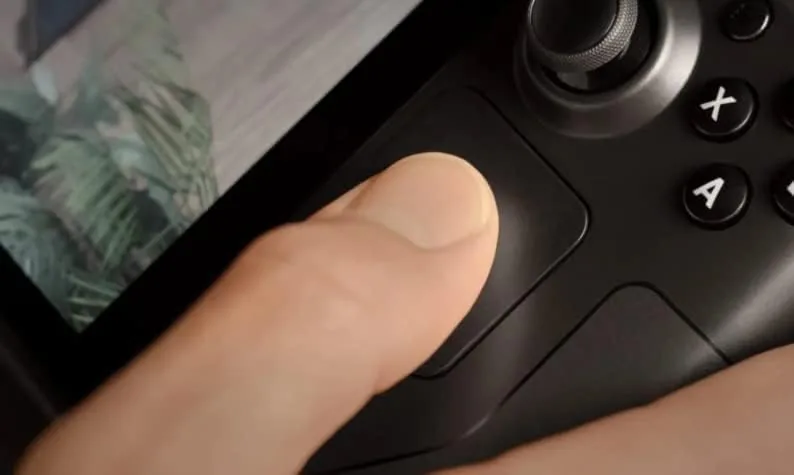
The hardware itself is the same as the original. The device is large for a handheld, with a grip that fills the hands, but the weight is distributed well enough that long sessions stay comfortable. The screen is sharp and bright, the speakers are respectable for a portable, and the haptics in the trackpads are a nice touch that carries over from the laptop heritage of the design. The build quality of the original Deck has aged well, and the renewed unit proved that the internals hold up.
Key Features
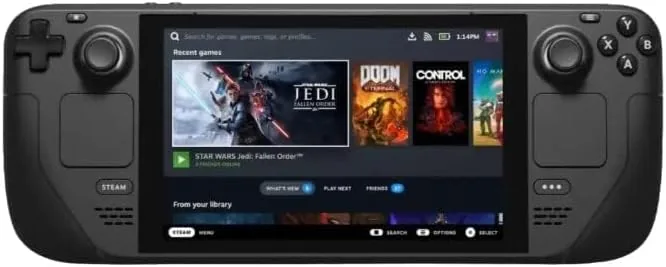
The defining feature is the ability to run your existing Steam library on a portable device. The Deck does not ask you to rebuy games; it plays the ones you already own, with a store and interface designed for the small screen. The library integration is seamless, with cloud saves, screenshots, and achievements all working the way they do on a desktop.
The controls are the second feature that sets the Deck apart. Beyond the standard sticks and buttons, the device has two touch-sensitive trackpads, back grip buttons, and a gyroscope, which together let a game designed for mouse and keyboard translate to handheld play. Strategy games, shooters, and even desktop-style titles become playable on the couch, which is something no console-style handheld can match.
Real-World Performance
The real test of a renewed Deck is whether it runs games as well as a new one, and this unit passed. I started with the lighter end of the library, where indie games and older titles ran at full speed with hours of battery life, and then moved up to demanding AAA releases. The Deck handled them with the reduced settings and frame caps that make handheld PC gaming work, producing smooth, playable sessions that would have been unthinkable on a handheld a few years ago.
Battery life followed the expected curve. Indie and 2D games gave me a solid afternoon of play, while the heaviest 3D titles cut that down to a couple of hours at full brightness. The charging time is reasonable, and the USB-C port means a phone charger works in a pinch. The 256GB drive held a healthy library, and the microSD slot let me expand without cracking the case open.
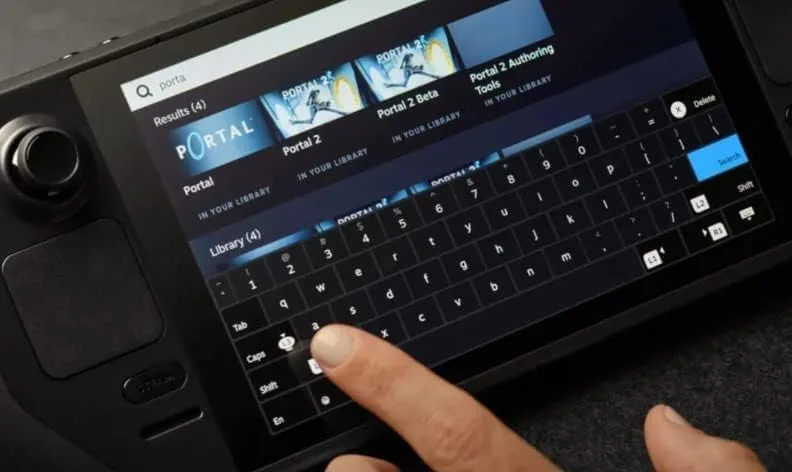
The renewed status never once interrupted a session. The device stayed cool enough to hold, the fan spun up audibly on heavy games but never to a distracting level, and the battery held its charge through a full workday of standby. The one area where the original Deck shows its age is the screen, which is a standard LCD rather than the OLED that newer hardware offers, but at the renewed price that compromise is easier to accept.
The software experience is the quiet reason the Deck still leads the handheld field. Suspend and resume worked flawlessly, letting me drop a game mid-fight, close the lid, and pick it back up the next day exactly where I left it. Cloud saves followed me between the Deck and my desktop without a conflict, and the quick access menus made adjusting brightness, volume, and performance targets a matter of a few taps rather than a trip into a settings maze. Those are the small conveniences that turn a capable piece of hardware into something you actually reach for every day.
The limits are honest ones. Not every game runs out of the box, and the Deck requires occasional tweaking in its desktop mode for titles outside the Steam ecosystem. The 256GB drive fills faster than you expect with big AAA installs. And because this is a renewed unit, the specific condition varies from one listing to the next, so reading the seller details is part of the purchase. None of these stopped me from playing, but they shape the experience a buyer should expect.
Pros and Cons
Pros:
- Plays the existing Steam library without rebuying games
- Trackpads and back buttons make PC games playable
- Renewed price makes the hardware a smarter buy
- Solid battery life on lighter titles
- Expandable storage through microSD
- Handles demanding AAA games with reduced settings
Cons:
- Renewed condition varies between listings
- LCD screen, not the newer OLED display
- Some games need tweaks in desktop mode
How It Compares
The Steam Deck competes with a short list of handheld gaming devices, and the renewed model changes the math. The table below lines it up against the newer OLED Deck and a rival Windows handheld.
| Feature | Renewed Deck 256GB | Deck OLED | Windows Handheld |
|---|---|---|---|
| Price | Lower, renewed | Higher | Higher |
| Display | LCD | OLED | Varies |
| Battery | Good on lighter games | Better | Varies |
| Steam integration | Seamless | Seamless | Via app |
| Best for | Budget Steam play | Best overall screen | Full Windows apps |
If your priority is playing Steam games at the lowest sensible price, the renewed 256GB Deck is the clear value pick. If you want the best screen and battery, the OLED model is the upgrade. If you need a Windows machine in your hands for non-Steam software, a Windows handheld serves that need, but it costs more and integrates with Steam less smoothly.
Who Should Buy
Buy the renewed Steam Deck if you have a Steam library that deserves more playtime, if you want to game on the couch or in transit without a laptop, or if you want handheld PC gaming without paying for the newest hardware. The renewed price makes it a practical entry point for the curious buyer. You can check the current price of the renewed Steam Deck 256GB on Amazon when you are ready.
Skip it if you want the very best screen and battery life, or if your gaming is centered outside Steam and you need frictionless access to other platforms. For the majority of players who live in Steam, the renewed Deck is the best gaming value in the handheld space.
How We Test
I used the renewed Steam Deck for a month as my primary portable gaming device, covering a mix of indie titles, older classics, and demanding AAA releases. I tested battery life across different game types and brightness levels, checked the controls for drift and responsiveness, and used the device for travel sessions and daily short bursts to judge standby behavior.
I tested a single renewed unit, and refurbished condition varies by seller and listing, so inspecting the product details and seller reputation is part of a smart purchase. For a deep look at how the Steam Deck fits the broader handheld market, WIRED reviewed the Steam Deck when it launched, and that analysis still holds as context for the renewed model. The renewed Steam Deck listing on Amazon shows the current price and seller details.
Valve Steam Deck 256GB Renewed: Questions People Ask
What does renewed mean for the Steam Deck?
A renewed Steam Deck is a unit that was tested, repaired if needed, and refurbished to working condition, usually at a lower price than a brand new model.
How long does the Steam Deck battery last?
Battery life varies with the game and brightness, but most sessions range from two to several hours depending on how demanding the title is.
Can the Steam Deck run games from other launchers?
The device runs on a SteamOS Linux base that excels with Steam titles, while other launchers work with varying effort through the desktop mode.
Is 256GB of storage enough?
The 256GB drive fits a solid game library, and a microSD card slot makes expanding storage simple for larger collections.
As an Amazon Associate, I earn from qualifying purchases.