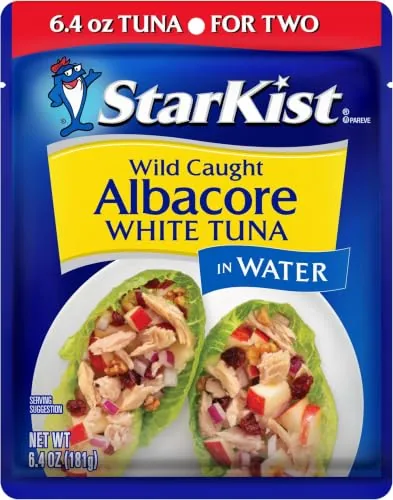

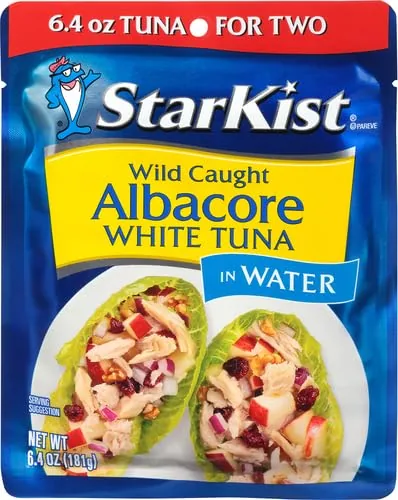
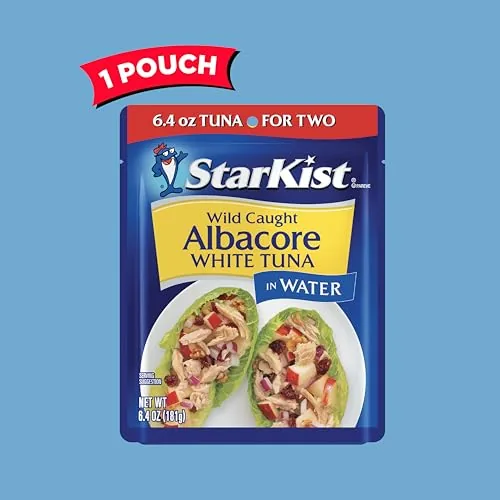
Pantry staples rarely excite anyone, but they are the quiet workhorses of a kitchen that actually gets used. Canned tuna has held that role for generations, and the StarKist albacore white tuna in water is an updated version of the same idea. Instead of a can, it comes in a 6.4 ounce ready to eat pouch, and instead of chunk light tuna it uses albacore, the single species that gives you white, mild, firm flakes. It delivers 19 grams of protein and only 90 calories per serving, and the pouches are gluten free, soy free, and kosher. I bought a Pack of six and put it to work across meals and snacks for a couple of weeks.
Before the details, the standard note. This article contains affiliate links, and if you buy through one of them the site earns a small commission at no extra cost to you. That commission does not change what I taste or what I recommend. The pouches reviewed here were purchased retail.
The rest of this review covers the pouch design, the nutrition, the taste and texture, how the albacore compares to chunk light tuna, and the best ways to actually eat it.
The Pouch Format
The most obvious difference between this product and a traditional tuna can is the packaging. The 6.4 ounce pouch is flexible, flat, and easy to open with the tear notch, and there is no can opener involved. That matters in a kitchen drawer without tools, on a camping trip, or in a lunch box, where a can and an opener are the last things you want to juggle.
The pouch is also easier to drain than a can. You tear it open, pour off the water over the sink, and the tuna is ready to eat with no liquid to fuss over. The flip side is that a pouch is not resealable, so you need to plan on eating the whole thing in a sitting, or transfer leftovers to a container. A 6.4 ounce pouch is roughly one generous serving or two moderate ones.
Shelf stability is the other practical win. The pouches sit in a pantry without refrigeration until they are opened, which makes them a dependable backup meal and an easy addition to a camping box or an office desk drawer. Once opened, any unused tuna goes into the refrigerator and should be eaten within a day or two.
Nutrition and Ingredients
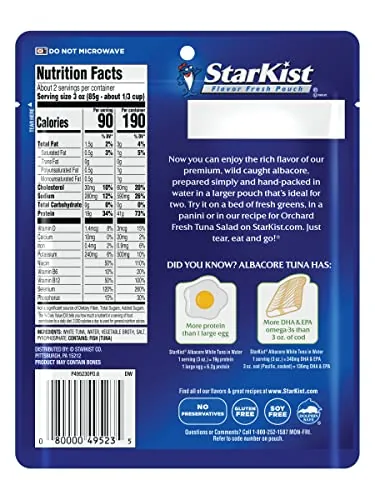
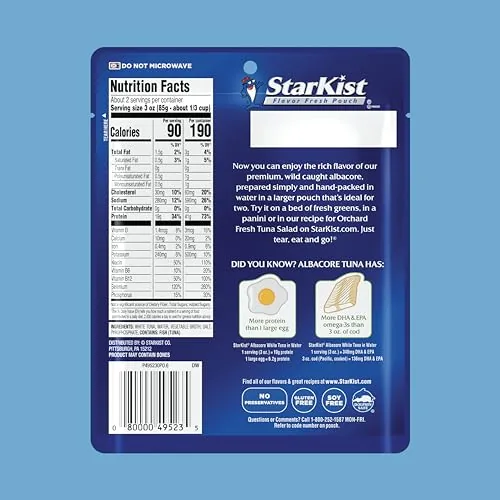
The nutrition profile is the reason most people keep tuna in the house. A single serving of this albacore delivers about 19 grams of protein and around 90 calories, which is a strong protein to calorie ratio for anyone watching macros, training, or simply trying to eat sensibly. The tuna is packed in water rather than oil, which keeps the calories and fat low.
The product is labeled gluten free, soy free, and kosher, which makes it an easy recommendation across a range of dietary needs. The ingredient list is short and familiar, just albacore tuna, water, and a small amount of vegetable broth for seasoning. There are no heavy sauces or mystery additives, which is exactly what you want from a staple food.
Wild caught albacore is the sourcing story here. Albacore is a larger, faster fish than the skipjack that fills most chunk light cans, and it is the only species that can be labeled white tuna in the United States. That single species sourcing is part of why the texture and flavor are so much cleaner than what you find in a typical can.
Taste and Texture
The flavor is the clearest place where albacore separates itself from chunk light tuna. The flakes are mild and slightly sweet, with none of the strong fishy note that makes some tuna a tough sell. The meat is firm but flaky, holding its shape in a salad or a sandwich rather than turning into mush, which is a texture that many people strongly prefer.
Because it is packed in water, the tuna is not oily, which keeps it clean on the tongue and easy to season. I ate it straight from the pouch with a fork as a quick protein snack, and it was genuinely pleasant, not a chore. It takes well to simple seasonings, a squeeze of lemon, black pepper, or a little olive oil.
I tested the tuna across a range of everyday meals to see where it fits best. Mixed with a little mayonnaise and celery it made a proper tuna salad sandwich, folded into a green salad with avocado it became a lunch that stayed filling for hours, and stirred into a bowl of rice with soy and sesame it turned into a quick dinner that required almost no effort. Each preparation highlighted a different strength, from the mild flavor that does not fight other ingredients to the firm flakes that hold their shape rather than dissolving into the dish.
If there is a compromise, it is that albacore runs slightly drier than oil packed tuna, because water packing keeps the calories down but does not add richness. A light dressing or a swipe of mayonnaise fixes that in seconds, and for anyone counting calories the trade is worth it.
Pros and Cons
Pros:
- 19 grams of protein and only 90 calories per serving
- Mild, clean albacore flavor with firm flaky texture
- Gluten free, soy free, and kosher
- Pouch format needs no can opener and drains easily
- Shelf stable until opened, great for pantries and travel
- Wild caught single species white tuna
Cons:
- Pouch is not resealable after opening
- Water packed albacore can run slightly dry
- Albacore costs more than chunk light tuna
How It Compares
The main comparison in the tuna aisle is albacore white tuna against chunk light tuna, and the differences are worth understanding before you buy. The table below lines up the two.
| Feature | Albacore White Tuna | Chunk Light Tuna |
|---|---|---|
| Species | Single species albacore | Mixed smaller species |
| Flavor | Mild and clean | Stronger, fishier |
| Texture | Firm white flakes | Smaller, softer chunks |
| Price | Higher | Lower |
| Protein per serving | About 19 grams | Similar range |
| Best for | Salads, light meals | Casseroles, budget meals |
If you are cooking a tuna casserole or feeding a crowd on a budget, chunk light tuna does the job for less money. If you are making a tuna salad you actually want to taste, or a light lunch you look forward to, the albacore is worth the higher price. The two are not interchangeable in flavor, and it is helpful to keep both in the pantry for different purposes.
Who Should Buy It
Buy these pouches if you want a quick, high protein meal that requires no cooking and no can opener. They are a natural fit for lunch packing, gym bags, camping trips, office desks, and anyone tracking protein while keeping calories low.
Skip them if you prefer the richer flavor of oil packed tuna, if you cook big budget casseroles where chunk light makes more sense, or if you cannot finish a pouch in one sitting and find the non resealable format wasteful. If the albacore approach sounds right, check the current price of the StarKist albacore tuna pack on Amazon before you stock up.

How We Test
I worked through a pack of six pouches over two weeks across a variety of uses. I ate the tuna straight from the pouch as a snack, mixed it into salads, made tuna salad sandwiches, and used it as a quick protein addition to a work lunch, noting flavor, texture, and ease of use each time.
I did not run a laboratory analysis of the nutrition, and I relied on the labeled values on the packaging. For guidance on choosing between albacore and chunk light tuna, Consumer Reports has a buying guide for canned tuna that is worth reading. You can also view the full StarKist albacore listing on Amazon for the latest price and pack sizes.
StarKist Albacore White Tuna: Questions People Ask
How many calories are in a serving of StarKist albacore tuna?
Each serving of this albacore white tuna in water contains about 90 calories and 19 grams of protein, which makes it a strong choice for low calorie, high protein meals.
Is the StarKist tuna pouch gluten free and kosher?
Yes, the tuna is gluten free, soy free, and kosher certified, so it fits a range of dietary needs without any special preparation.
Does the StarKist albacore tuna need to be refrigerated?
The pouch is shelf stable before opening, so it can live in a pantry or a bag, and any unused portion should be refrigerated and eaten within a day or two after opening.
How is albacore white tuna different from chunk light tuna?
Albacore is a single larger species with a mild flavor and firm white flakes, while chunk light comes from smaller species and has a stronger taste and a softer texture at a lower price.
As an Amazon Associate, I earn from qualifying purchases.

![Lamicall Waterproof Phone Pouch, [2 Pack] IPX8 Water Proof Cell Phone Case | Beach Review: Tested and Rated](https://cosmoniq.com/uploads/products/B0DS658PDZ/g0.webp)