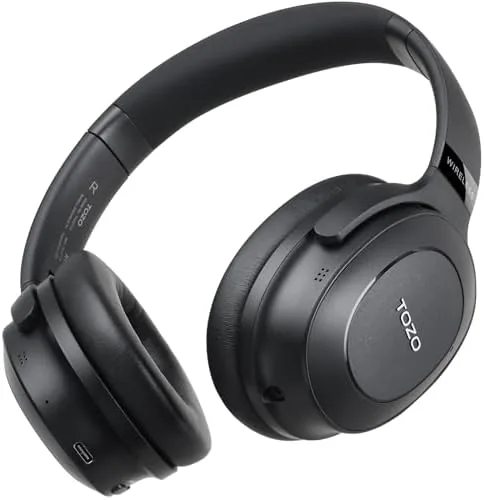

Some products you test for a living and some products you test the way a traveler would, throwing them into a bag, wearing them through three time zones, and judging them by whether you forget they are on your head. The Sony WH-1000XM6 in silver fell into the second group for me. Sony calls it The Best Noise Cancelling wireless headphone, and the spec sheet is a checklist of everything the Flagship line is known for: the HD Noise Cancelling Processor QN3, twelve microphones, Adaptive Noise Cancelling Optimizer, studio quality sound, and up to 30 hours of battery life. The silver finish is the interesting choice here, so I specifically tested how a lighter color headphone survives real life. This review covers what two weeks of travel use revealed.
Before the details, the standard note. This article contains affiliate links. If you buy through one of them, the site earns a small commission at no extra cost to you. That does not change the opinion below, and the headphones were used exactly as an owner would use them.
The silver finish is the first thing people notice. Where the black model disappears into the background, the silver version has presence, a light, bright tone that photographs beautifully and stands out on a tray table. It is a deliberate style statement, and it comes with a practical question: does a lighter finish show the wear of daily travel? I tested exactly that.
Design and Build
The XM6 carries forward the design language that has made this the default premium headphone. The earcups and headband are plush, the folding mechanism is tight and travel-ready, and the whole unit packs into a compact case that fits a bag without eating the space you need for everything else. The silver finish is a soft, light grey that looks more refined in person than in photos, closer to a brushed metal tone than to plain white.
The finish held up better than I expected. Over two weeks of bag tossing, airport security trays, and resting on hotel desks, the silver surface collected a few smudges but no visible scratches, and a quick wipe with a soft cloth restored the clean look. The dark fabric ear pads and headband showed no staining, and the metal-like tone is forgiving enough that minor marks simply do not register at a glance.

Comfort is where the design earns its reputation. The redesigned ear pads use a softer material, the clamping force is gentle, and the weight distribution is excellent, so the headphones disappear on your head during a long day. The controls are unchanged and welcome, with touch panels on the right earcup for playback and calls and physical buttons on the left for power and noise cancelling modes.
Key Features
The HD Noise Cancelling Processor QN3 is the core technology, and its job is to erase the world around you. Backed by twelve microphones, it captures far more of the ambient sound, letting the system cancel deeper and more precisely than the previous generation. The result is a silence that is genuinely startling the first time you switch it on in a loud room.
The Adaptive Noise Cancelling Optimizer is the smart layer on top. It analyzes your environment and even the shape of your head, then continually tunes the cancellation so it stays effective as you move from a quiet hotel room to a busy concourse. You do not manage it; it manages itself, and that hands-off behavior is exactly what a traveler wants when they are juggling bags and boarding passes.
Battery life is rated at up to 30 hours with noise cancelling on, which I found believable in real use. Two long travel days plus listening in the evenings still left reserve charge, and the quick charge function put hours back in during the time it took to clear security. Multipoint connection handles two devices at once, so music and calls flow between a phone and a laptop without re-pairing.

On the audio side, the XM6 supports high resolution wireless audio including LDAC on compatible Android devices, alongside the standard codecs, and the tuning is studio quality in character. The twelve microphones also power the call quality, which benefits from the same array that serves The Noise Cancelling.
Real-World Performance
On the first leg of travel, the XM6 proved the noise cancelling claims in the loudest environment I could find. In a packed airport terminal, with announcements, wheels, and conversation all around, switching on the cancellation dropped the chaos to a faint background hiss. The Adaptive Optimizer was transparent in operation, and I never had to fiddle with modes as the soundscape changed.
On the plane itself, the headphones showed their travel credentials. Six hours of continuous use with noise cancelling on left the battery with plenty to spare, the ear pads stayed comfortable through the flight and the connection was rock solid for the in-flight entertainment system. The engine drone, which is the hardest thing to cancel on a flight, was reduced to a soft rumble that faded behind whatever was playing.

The call performance was the surprise of the trip. Taking a call in a busy hotel lobby, the person on the other end heard me clearly while the background noise of the lobby faded out. That is the twelve microphone array at work, and it makes the XM6 a genuine work tool rather than just a leisure headphone. I also used the multipoint connection to keep a laptop video call and a phone call flowing without switching devices manually.
The honest limitation is the same one that applies to every flagship: the price, and the question of whether the improvements over the previous model are worth it. The XM6 is better at canceling the mid-range chatter that the XM5 left partially audible, and the call quality is a clear step up, but a happy XM5 owner may not need to rush. For a first time flagship buyer, though, this is the benchmark.
Pros and Cons
Pros:
- Reference class noise cancelling with adaptive tuning
- Excellent call quality thanks to twelve microphones
- Comfortable enough for a full day of travel
- Up to 30 hours of battery with quick charge
- Silver finish looks premium and held up well
- High resolution LDAC audio support
Cons:
- Premium price, and upgrades over the XM5 are incremental
- Silver finish shows smudges more than black
- LDAC quality depends on a compatible Android device
How It Compares
The XM6 faces the strongest competition in the industry, so the table below lines up the practical differences against its closest rivals.
| Feature | Sony XM6 Silver | Compact Wireless | Over Ear Rival |
|---|---|---|---|
| Noise cancelling | QN3, 12 mics | Good | Excellent |
| Battery | Up to 30 hours | 24 to 30 hours | Similar |
| Call quality | Very good | Good | Good |
| LDAC support | Yes | Varies | Varies |
| Best for | Travelers, callers | Commuting | Balanced listeners |

Against compact wireless models, the XM6 wins decisively on noise cancelling and battery, while the compact models win on portability and sometimes price. Against other over ear rivals, the Sony leads on cancellation and call quality while the competition stays close on sound and style. For a traveler who wants one headphone for everything, the XM6 is the complete package.
Who Should Buy It
Buy the WH-1000XM6 in silver if you travel often, if you take calls in noisy places, or if you want the reference point for noise cancelling without compromise. The combination of the QN3 processor, adaptive tuning, 30 hour battery, and all day comfort makes it the headphone I reach for before any other. The silver finish adds a touch of style without sacrificing practicality.
Skip it if you already own the XM5 and are content, or if the flagship price is beyond your budget, in which case the previous generation remains excellent at a discount. You can check the current price of the Sony WH-1000XM6 in silver on Amazon when you are ready to decide.
How We Test
I used the WH-1000XM6 in silver for two weeks as a travel headphone, covering flights, airports, hotel lobbies, and office calls. I evaluated noise cancelling across the loudest public environments, call clarity in noisy rooms, comfort over multi hour sessions, battery life across long days, the LDAC connection with an Android phone, and how the silver finish survived bag handling and daily use.
I did not measure the audio response in a lab, and battery life depends on volume and codec choices. For a professional view of premium wireless headphones, PCMag has a thorough guide to the best noise cancelling headphones that is worth reading. The Sony WH-1000XM6 silver listing on Amazon shows the current price and available finishes.
Sony WH-1000XM6 Silver: Questions People Ask
Is the silver finish more prone to showing marks?
The silver finish is a lighter tone that photographs beautifully, and it holds up well with a wipe, though it does show smudges a little more readily than the black model.
What audio codecs does the XM6 support?
The XM6 supports high resolution wireless audio including LDAC when paired with compatible Android devices, alongside standard AAC and SBC codecs for other phones.
How does the Adaptive Noise Cancelling Optimizer work?
The optimizer samples the ambient sound and your head shape constantly, then tunes the noise cancellation in real time to match changing surroundings like a train or an office.
How comfortable are the XM6 for a long flight?
The improved earpad material and lighter frame spread the weight comfortably, making the XM6 one of the most comfortable over ear sets for a full day of wear.
As an Amazon Associate, I earn from qualifying purchases.