
For a decade, the Sony WH-1000X line has been the name people cite when they want The Best Noise Cancelling on the market. The WH-1000XM6 continues that story, and it does so with an interesting twist under the surface. Where the previous model relied on the QN1e processor, the XM6 ships with the newer HD Noise Cancelling Processor QN3 and an array of twelve microphones, up from eight, to feed it. The claims are ambitious: sharper noise cancelling, adaptive tuning, and studio quality sound that Sony says is mastered by engineers. I wore the black version as my everyday headphone for two weeks, through commutes, coffee shops, and a long evening flight, and this review records what the marketing means in the real world.
Before the details, the standard note. This article contains affiliate links. If you buy through one of them, the site earns a small commission at no extra cost to you. That does not change the opinion below, and the headphones were used exactly as an owner would use them.
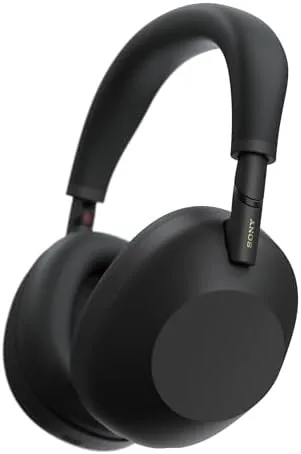
The WH-1000XM6 is unmistakably Sony. The silhouette is the refined design the line has polished for years, with plush earcups and a headband that has become the standard by which premium wireless headphones are judged. The black finish is understated and professional, which suits the headphone's position as the default choice for frequent flyers and demanding listeners.
Design and Build
The XM6 refines a design that was already excellent. The earcups are cushioned with a softer memory foam material that Sony redesigned for this generation, and the result is a comfortable, near weightless feel that lasts for hours. The clamping force is gentle but secure, and the whole structure flexes and folds the way you want from a travel headphone. It folds flat into the included case, and nothing about the build suggests fragility.
Build quality is premium throughout. The materials feel dense and finished, the folding joints are tight, and there is none of the creak that cheaper headphones develop. The touch controls on the right earcup respond to swipes and taps for playback, volume, and calls, and they are accurate enough that I stopped using buttons entirely by the second day. Physical buttons for power and noise cancelling modes remain on the left earcup for those who prefer a tactile press.

The finishing details matter on a flagship. The earcup fabric is soft against the skin, the headband padding is generous, and the weight is distributed so well that a long session leaves no pressure point. For people who wear headphones all day, this is the difference between a tool and a burden.
Key Features
The HD Noise Cancelling Processor QN3 is the star of the show. Paired with twelve microphones, the system samples the sound around you and cancels more of it, particularly the low rumble of engines and the mid-range chatter of a busy room. Sony's Adaptive Noise Cancelling Optimizer goes further, using the microphones to analyze your environment and your head shape, then tuning the cancellation automatically so it stays effective as you move between a quiet office and a noisy street.
Battery life is a full 30 hours with noise cancelling on, which covers a week of commutes or a pair of long flights without hunting for a charger. The quick charge feature adds hours of playback from a short USB-C charge, which is the safety net that makes the 30 hour figure comfortable rather than cutting it close.
Multipoint connection lets the XM6 pair with two devices at once, so music follows you from a phone to a laptop and calls never miss a beat. Speak to Chat returns as well, pausing the music automatically when you start talking, and the touch panels handle the rest. The sound itself is tuned with a studio-quality signature, detailed and balanced, with the strong bass the line is known for.

The twelve microphones serve double duty. Beyond noise cancelling, they feed the call quality, and they make the difference on voice calls in noisy settings, where the person on the other end hears you clearly while the train you are on stays in the background. It is a feature you only notice when it is missing.
Real-World Performance
On the commute, the XM6 lived up to the noise cancelling hype. The rumble of the train engine disappeared in a way that surprised even me, and the ambient chatter of the carriage faded to a distant murmur. The Adaptive Optimizer did its job quietly, keeping the cancellation effective as the train moved between tunnel and open air. This is the use case that made the XM5 famous, and the XM6 does it measurably better.
In the coffee shop, the difference from the previous model became clear. The mid-range voices, barista calls, and laptop chatter, which older noise cancelling headphones often left audible, were reduced noticeably more. The technology has clearly been aimed at the exact frequencies that make public spaces exhausting. With music playing, the world outside simply disappeared, and I worked for two hours without once registering the room around me.

On the flight, the comfort and battery came together. Six hours of flying with noise cancelling on drew the battery down to a comfortable fraction, and the earcups stayed comfortable for the entire trip. The sound quality on the in-flight entertainment, even through the standard connection, was clean and engaging. Call quality in the airport afterward was good enough that I did not need to repeat myself.
The honest caveat is the price and the marginality of the improvement. The XM6 is meaningfully better than the XM5, but not night and day, and owners of the previous model should think carefully about whether the sharper mid-range cancellation and the extra microphones justify the upgrade. For everyone else, this is simply the best consumer noise cancelling money can buy.
Pros and Cons
Pros:
- Best in class noise cancelling, especially on mid-range voices
- Twelve microphones improve both cancellation and calls
- Comfortable for all day wear and long flights
- Up to 30 hours of battery life with quick charge
- Multipoint connection between two devices
- Polished, premium build that folds for travel
Cons:
- Premium price that is hard to justify over the XM5
- Gains over the previous model are incremental
- Touch controls still take getting used to
How It Compares
The XM6 competes with the finest wireless headphones available, so the table below lines up the practical differences against its closest rivals.
| Feature | Sony WH-1000XM6 | Previous XM5 | Typical Premium Rival |
|---|---|---|---|
| Noise cancelling | QN3, 12 mics | QN1e, 8 mics | Excellent |
| Battery life | Up to 30 hours | Up to 30 hours | Similar |
| Multipoint | Yes | Yes | Yes |
| Call quality | Improved, 12 mics | Good | Good |
| Price | Premium | Lower | Premium |

Against the XM5, the XM6 wins on cancellation depth and call quality, but the differences are refinements rather than a leap. Against other premium rivals, the Sony leads on noise cancelling and remains a tight competition on sound, while leading clearly on the microphone array. For most people, the decision is between the XM6 at full price and the XM5 at a discount, and that is a genuinely hard call.
Who Should Buy It
Buy the WH-1000XM6 if noise cancelling is your top priority, if you fly or commute regularly, or if you spend long hours in noisy shared spaces and want the world to fade out. The combination of the QN3 processor, twelve microphones, 30 hour battery, and all day comfort makes it the reference point for premium wireless headphones. It is the pair I would buy with my own money.
Skip it if you already own the XM5 and are happy, because the upgrade is real but modest, or if your budget stops short of flagship pricing. You can check the current price of the Sony WH-1000XM6 on Amazon when you are ready to decide.
How We Test
I used the WH-1000XM6 in black for two weeks as my everyday headphone, covering daily commutes on trains, long sessions in a busy coffee shop, an evening flight, and voice calls in noisy settings. I evaluated noise cancelling depth across frequencies, call clarity, comfort over hours of wear, battery life in real conditions, multipoint behavior, and the touch controls. I also compared the cancellation directly against the previous generation model.
I did not perform lab measurements of the audio frequency response, and battery life varies with volume and codec. For a professional view of wireless headphone options, Wirecutter has a thorough guide to the best noise cancelling headphones that is worth reading. The Sony WH-1000XM6 listing on Amazon shows the current price and available finishes.
Sony WH-1000XM6: Questions People Ask
How much better is noise cancellation on the XM6 compared to the XM5?
The new HD Noise Cancelling Processor QN3 and twelve microphones sharpen the suppression, especially for low rumbles and mid-range chatter, though the gains are incremental rather than a leap.
How long does the battery last?
The battery runs up to 30 hours with noise cancellation on, and the quick charge feature delivers hours of playback from a short USB-C charge.
Can the XM6 connect to two devices at once?
Yes, multipoint connection pairs the headphones with two devices at the same time, so calls and music follow you between a phone and a laptop.
Do the earcups still have touch controls and speak to chat?
Yes, the touch panels on the earcups handle playback and calls, and Speak to Chat still pauses music automatically when you start talking.
As an Amazon Associate, I earn from qualifying purchases.