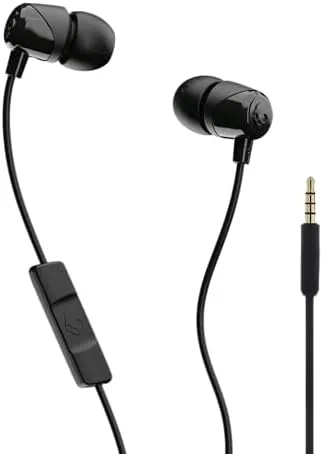

Every household owns a pair of wired earbuds. They live in a drawer, ride in a backpack, and save the day when a wireless pair dies mid commute or a laptop runs out of Bluetooth. The Skullcandy Jib is exactly that kind of product: a budget earbud with a 3.5mm plug and a flat cable That Does not turn into a knot the moment you look away. I spent several weeks with a black pair to see whether it deserves its place in the drawer.
This review covers the sound, the fit, the cable, and the inline mic, and it judges the Jib against the honest question every cheap earbud faces: does it work when you need it, and does it hurt your ears when you use it? The answers, as it turns out, are mostly good.
Before the details, the standard note. This article contains affiliate links. If you buy through any of them, this site earns a small commission at no extra cost to you, and that commission does not change what I test or what I recommend.
Design and Build
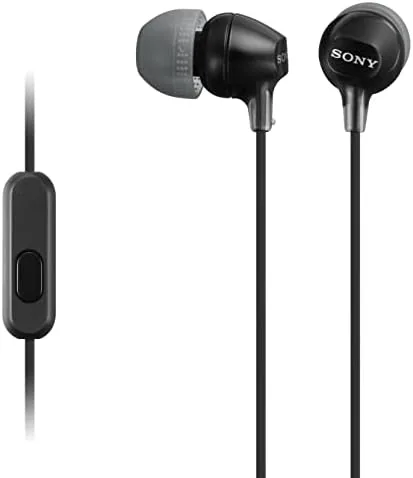
The Jib is a study in simplicity. It is a lightweight pair of earbuds in a matte black finish, with the familiar rounded body and silicone tips that sit in the ear canal. The most distinctive design choice is the flat cable, a wide ribbon of plastic instead of a round cord, which is Skullcandy's answer to the tangle problem that plagues every wired earbud.
The cable genuinely resists tangling. I shoved them into a backpack pocket, a coat pocket, and a laptop sleeve repeatedly, and each time they came out ready to use rather than needing five minutes of untangling. The flat ribbon does catch on fabric edges occasionally, but the trade is worth it, and it makes the Jib a much more practical everyday earbud.
The build is light, so light that you forget they are in, which is the right quality for a budget earbud. The cable has a small inline microphone and a single button remote about halfway down the right side, and the whole thing terminates in a standard angled 3.5mm plug. Nothing feels expensive, but nothing feels fragile enough to worry about.
Key Features
The defining feature is the 3.5mm plug, which connects to anything with a headphone jack: phones, tablets, laptops, game controllers, and even some older audio gear. That universality is the whole point of a wired earbud, and the Jib delivers it with zero setup and zero pairing. You plug it in and it works.

The inline mic and remote add everyday practicality. The single button handles play, pause, and call answering, and the microphone makes the Jib a usable headset for phone calls and video meetings. The mic is not studio quality, but for the price it captures a voice clearly enough for the person on the other end to understand you.
Comfort is the quiet feature that sells the Jib. The earbuds are tiny and light, and the soft silicone tips form a comfortable seal in most ears. A spare set of tips is included, so you can adjust the fit, and after hours of continuous listening my ears felt no fatigue, which is a genuine compliment for any earbud.
Real-World Performance
The sound is the surprise. Given the price, I expected thin, tinny audio, and the Jib delivers far more. It has a warm, bass forward tuning that gives pop, hip hop, and rock real weight, and the midrange carries vocals clearly enough for podcasts and audiobooks to sound natural rather than muffled.
The trade is in the highs. The treble is rolled off, so cymbals and high hats lose some sparkle, and detail in complex tracks is not the Jib's strength. For a commuter earbud playing a podcast or a playlist, that is a fair trade, but audiophiles will want to look well above this price point.
Bass heads will find the Jib right in their lane. The low end is punchy enough to make a hip hop track thump, though it is not room shaking, and it never turns boomy or muddy the way cheaper bass boosted earbuds do. It is a genuinely listenable tuning that stays pleasant over a long session.
In call testing, the inline mic handled phone calls and quick voice messages without complaint. The person on the other end could hear me clearly over a light background of traffic, which is more than many budget mics manage. The single button remote worked reliably for play and pause, and call answering worked as advertised.
Pros and Cons
Pros:
- Surprisingly full, bass forward sound for the price
- Flat cable genuinely resists tangling
- Lightweight and comfortable for long listening
- Inline mic and remote handle calls and playback
- Works with anything that has a 3.5mm jack
- Included spare tips for a better fit
Cons:
- Treble detail is rolled off
- Thin cable feels less rugged than it could be
- No volume control on the inline remote
- Requires an adapter on phones without a headphone jack
How It Compares
The wired earbud market has thinned as wireless took over, but the Jib still faces familiar rivals. Here is how it lines up against the alternatives you will find on the shelf.
| Feature | Skullcandy Jib | Store Brand Earbuds | Premium Wired IEMs |
|---|---|---|---|
| Price | Very low | Lowest | High |
| Sound signature | Bass forward | Thin | Neutral and detailed |
| Mic and remote | Yes | Often yes | Varies |
| Cable | Flat, tangle resistant | Round, tangles | Braided or detachable |
| Comfort | Very light | Varies | Good with proper fit |
| Best for | Everyday commutes | Emergency backup | Critical listening |
Against a store brand earbud, the Jib wins on sound, comfort, and the tangle resistant cable, which are the features you actually notice. Against premium wired IEMs, the Jib loses on detail and neutrality but costs a fraction of the price. For a budget earbud that does the everyday job well, the Jib is the sensible pick.
Who Should Buy the Skullcandy Jib
Buy the Jib if you want a dependable, cheap pair of earbuds for commuting, working out, or keeping in a bag as a backup, or if you miss the simplicity of a headphone jack and a wire that always works. It suits students on a budget, commuters who want a spare, and anyone tired of charging tiny wireless buds.
Skip it if you need studio level sound, if you want wireless freedom, or if your phone has no headphone jack and you refuse to carry an adapter. Those needs point to a better IEM or a decent pair of wireless buds, and the price gap reflects the difference.
You can check the current price at the Skullcandy Jib on Amazon.
How We Test
I used the Skullcandy Jib for several weeks as my daily commute earbuds, listening to music, podcasts, and audiobooks, and taking phone calls through the inline mic. I tested the tangle resistance by stuffing them into pockets and bags, evaluated comfort over multi hour sessions, and compared the sound against store brand and premium wired alternatives.
Budget audio testing is covered regularly by the editors at TechRadar, who review earbuds across every price point. My weeks of listening confirm the Jib punches above its price: it is a comfortable, dependable wired earbud with real bass and a cable that stays tidy.
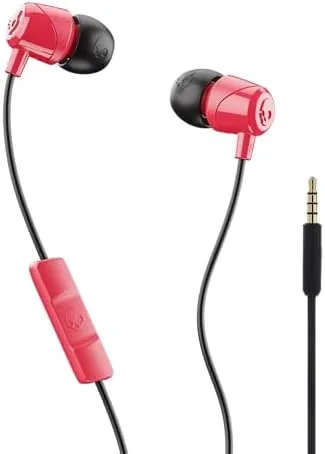
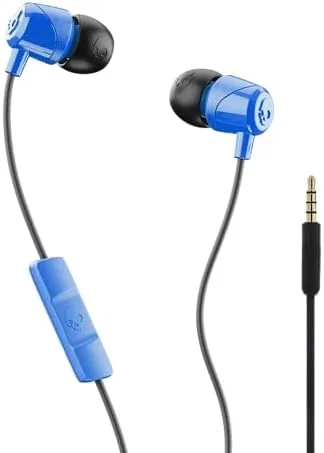
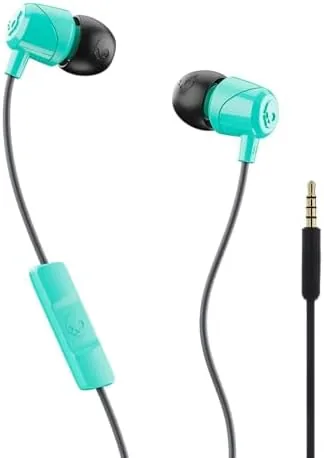
If you want a different color or to check current pricing, the Skullcandy Jib listing on Amazon shows the options before you buy.
Skullcandy Jib: Questions People Ask
Do the Skullcandy Jib earbuds have a microphone?
Yes. The Jib includes an inline microphone with a single button remote for calls and music control. The mic is clear enough for phone calls and voice messages, though not for serious recording.
How is the sound quality on the Jib?
The Jib has a warm, bass forward sound that suits pop, hip hop, and rock well. Highs are rolled off and detail is not the focus, but for the price the sound is surprisingly full and easy to listen to for hours.
Are the Jib earbuds comfortable for long listening?
Yes. They are very light and the soft silicone tips create a comfortable seal in most ears. A spare set of tips is included for fit adjustment, and my ears felt no fatigue after long sessions.
Do the Jib earbuds work with any device?
They use a standard 3.5mm plug, so they work with phones, tablets, laptops, and anything else with a headphone jack. Devices without a jack, like many newer phones, need a headphone adapter dongle.
As an Amazon Associate, I earn from qualifying purchases.