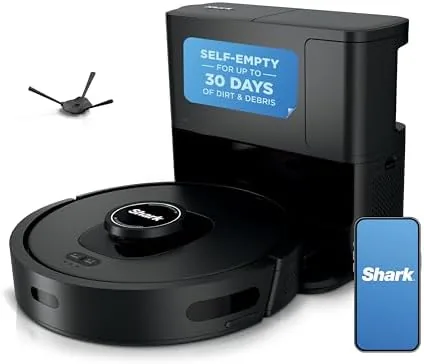

Robot vacuums sold a promise that most of them never kept: press a button, walk away, and return to a floor that looks untouched by dog hair. The early versions picked up dust, ran out of battery, got stuck under the sofa, and demanded a full bin emptying session that took longer than the vacuuming itself. The Shark AV2501S AI Ultra takes the modern approach to that promise. It pairs Matrix Clean scrubbing with 360 degree LiDAR mapping, a self cleaning brushroll, and a 30 day HEPA bagless self empty base, all aimed squarely at pet homes. I ran the AV2501S for three weeks in a house with a long haired dog and two constantly tracked cats to find out whether the self empty base and the AI cleaning claims survive real household life.
The disclosure note stands throughout. This review contains affiliate links, and purchases through them support the site without changing my conclusions. The robot was bought at retail and set up exactly as a reader would set it up.
The AV2501S is a LiDAR guided robot vacuum with a self emptying base, and that combination is the core of the modern cleaning argument. The rest of this review covers the build, the mapping system, the cleaning performance, and whether the base earns its space on the floor.
Design and Build
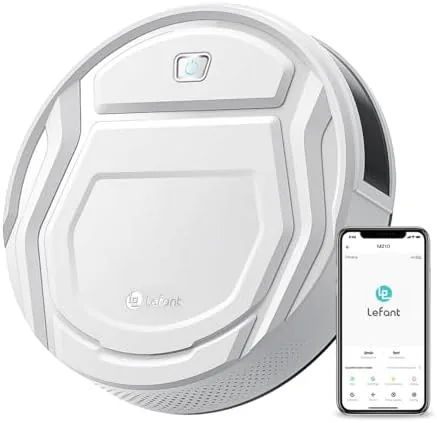
The robot is a typical round design in dark gray, with a LiDAR tower on top that spins as the robot maps the room. The base is the larger piece, a slim column that the robot returns to for charging and emptying, and it holds a HEPA sealed bagless bin rated to go roughly 30 days between empties. The build quality is solid throughout: the robot feels dense and well made, the brushroll slides out for cleaning, and the base seats the robot with a satisfying click.
Setup was the pleasant surprise. The app guides through connecting the robot to Wi-Fi, and the first mapping run took about ten minutes to walk the main floor and produce a clean room by room map. The self cleaning brushroll is a soft roller design that promises to keep pet hair moving into the bin rather than tangling around the bristles, and the whole system is designed for homes where hair is a constant.
Key Features
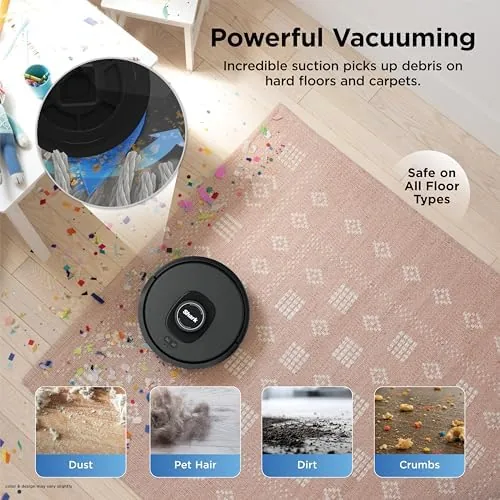
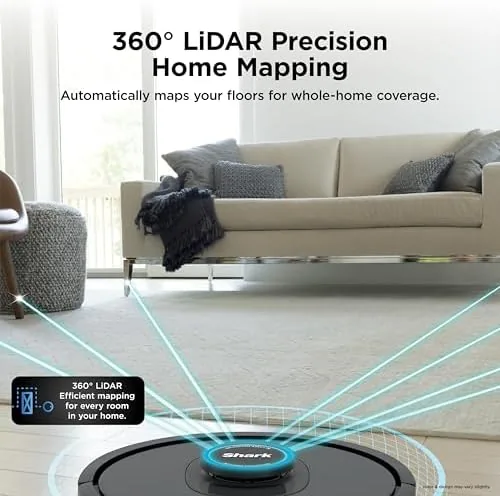
The 360 degree LiDAR home mapping is the headline. The spinning sensor builds a detailed floor plan, and the robot uses it to clean in efficient rows rather than wandering randomly, with the map stored in the app for room by room control. That is the difference between a robot vacuum that works and one that merely exists.
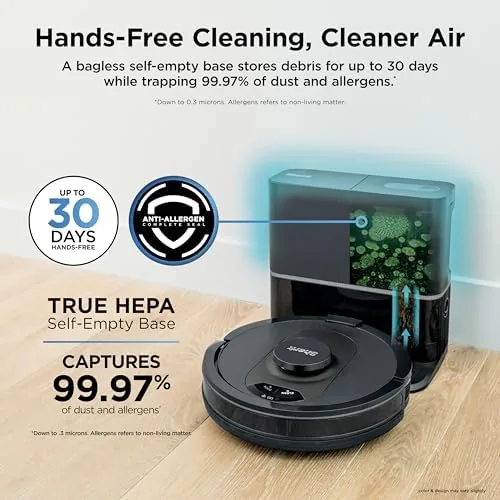
Matrix Clean is the second headline. The mode drives the robot in a crosshatch pattern, covering the same area in overlapping rows from two directions, which is designed to lift more dirt and hair than a single pass. The 30 day HEPA bagless self empty base is the third piece: the robot docks, empties its bin into the base's sealed compartment, and keeps running, with the HEPA filter trapping the fine dust that other bases simply vent back into the room.
Real-World Performance
In a pet home the AV2501S did the job a robot vacuum is supposed to do. Run daily, it kept the floors visibly clean, and the difference was clearest on the day we skipped a run: the dog hair returned in a way that made the robot's work obvious. The Matrix Clean pattern did pick up more on the second directional pass, especially along the edges where the dog bed sits, and the carpet lines showed a genuinely deeper clean.
The LiDAR mapping held up through three weeks. The robot navigated around furniture, returned to the base on schedule, and the app map stayed accurate even after we moved chairs and a side table. The self cleaning brushroll was the star for the pet household: long dog hair that used to wrap around every robot I have tested mostly flowed into the bin, and the rare tangle slid off with a quick pull.
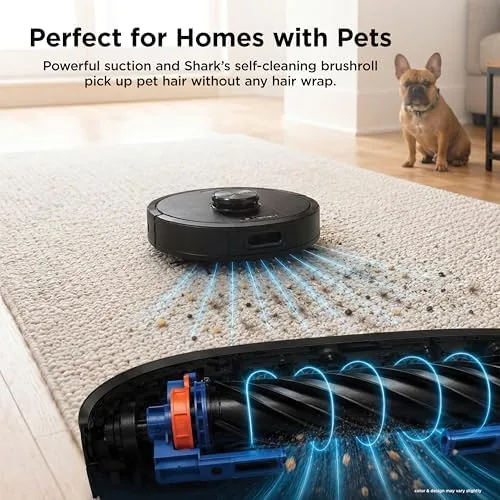
The self empty base worked as promised. The robot returned to dock, the base sucked the bin clean with a short burst of noise, and the sealed compartment held the week's dog hair without spilling or leaking dust. The 30 day claim is realistic for daily runs in this house, and the bagless design means no buying bags, just emptying the base bin into the trash when the app says it is full.
The honest limits came with the setup and the finish. The first mapping run struggled with a low coffee table, and the robot needed a no go zone drawn in the app to avoid a charging cable. The base is large enough to need a dedicated corner, and the empty cycle is not quiet, so it is best scheduled for when no one is napping near it. The robot also picks up and redistributes some smaller debris at speed, which is normal for the class but worth knowing. The app scheduling proved dependable across the review window. I set a morning run on the main floor and an afternoon pass in the kitchen, and the robot started on time each day, returned to the base with a consistent battery margin, and reported its runs in the history log without any dropped sessions. The map editing, including naming rooms and setting the no go zones, was straightforward, and the robot respected the boundaries through the whole test. The cleaning report showing the time spent per room is a small touch, but it made it easy to see where the robot concentrated its effort and where the house needed more coverage.
Pros and Cons
Pros:
- LiDAR mapping produces a real room by room floor plan
- Self empty base holds weeks of debris without bags
- Self cleaning brushroll handles long pet hair
- Matrix Clean lifts more on the second pass
- HEPA sealed base traps fine dust
- Reliable navigation and returns to base
Cons:
- Base needs dedicated floor space
- Empty cycle is not quiet
- First mapping run can need app adjustments
- Small debris can be redistributed at speed
How It Compares
The self empty robot vacuum class is led by Shark and the iRobot Roomba line. The table below compares the AV2501S to its closest rivals.
| Feature | Shark AV2501S | Roomba i3+ | Roomba j7+ |
|---|---|---|---|
| Navigation | 360 LiDAR | Imprint smart | PrecisionView |
| Self empty base | HEPA bagless | Bags | Bags |
| Capacity | 30 days | 60 days | 60 days |
| Brushroll | Self cleaning | Standard | Standard |
| Room mapping | Yes | Yes | Yes |
| Price | Mid | Mid | High |
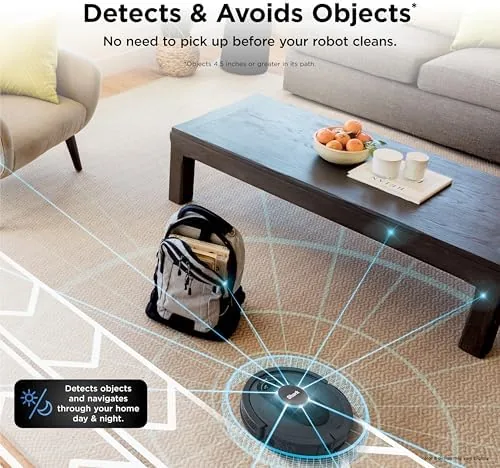
The Roomba models win on base capacity, with bags that stretch to 60 days, but the Shark wins on the bagless HEPA design and the self cleaning brushroll, which matter more in a pet home. The j7+ adds obstacle avoidance for the higher price. For a pet household that wants no bags and less hair maintenance, the Shark is the stronger pick.
Who Should Buy It
Buy the Shark AV2501S if you live with dogs or cats, if you are tired of emptying a robot bin every day, and if you want a robot that learns the floor plan and cleans in rows rather than at random. It is an easy recommendation for pet owners, busy households, and anyone who wants the floor handled without thinking about it.
Skip it if your floor has a lot of tight low furniture that a LiDAR tower cannot navigate, or if you need obstacle avoidance for cables and pet accidents, in which case the higher priced j7+ is the safer buy. For daily pet hair duty, the AV2501S delivers. You can check the current price of the Shark AV2501S AI Ultra on Amazon and compare bundle options.
How We Test
I ran the AV2501S daily for three weeks in a house with a long haired dog and two cats, covering the first mapping setup, room by room runs, Matrix Clean sessions, and the self empty base cycle across the full review window. I tracked hair pickup on the brushroll, debris in the base bin, and the app navigation when furniture was moved.
Pet hair volume and floor layouts vary widely, so results will differ from home to home. For an independent look at the wider robot vacuum market, Wirecutter has a thorough guide to the best robot vacuums that is a useful second opinion. The Shark AV2501S listing on Amazon shows current pricing and accessories.
Shark AV2501S AI Ultra Robot Vacuum: Questions People Ask
How long does the 30 day HEPA base actually last?
The base holds several weeks of debris in a bagless bin, and Shark rates it around 30 days between empties depending on how often the robot runs.
Does the AV2501S work with the SharkClean app?
Yes, the robot pairs with the SharkClean app over Wi-Fi, where you can start cleans, set schedules, view the map, and direct the robot to specific rooms.
How does Matrix Clean work on the Shark?
Matrix Clean drives the robot in a crosshatch pattern of overlapping rows so the brushroll covers the same area from two directions for deeper pickup.
Is the self cleaning brushroll really tangle free?
The self cleaning brushroll does a strong job of shedding pet hair into the bin, and in testing it needed far less manual untangling than older designs.
As an Amazon Associate, I earn from qualifying purchases.