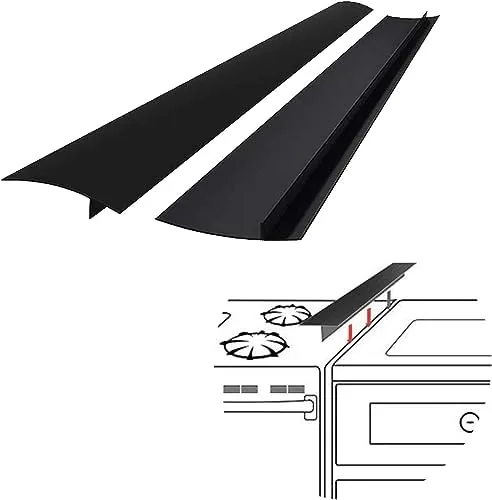

Every kitchen has a crumb graveyard, and most of them sit in the same place: the dark slot between the stove and the counter. Rice grains, onion peels, and stray pasta tumble down that gap every time you cook, and the only way to retrieve them is to pull the stove out, which is a job nobody schedules and everybody dreads. The SEVCHY silicone stove gap covers are a two pack of flexible strips designed to fill that slot and keep the mess on top where you can see it. I installed a pair in my kitchen for several weeks of real cooking, which included a few spills and a good amount of heat, and this review covers fit, heat resistance, cleaning, and whether the covers actually stay put.
Before the details, the standard note. This article contains affiliate links, and if you buy through one of them the site earns a small commission at no extra cost to you. That does not change what I test or recommend, and everything below is from my own kitchen.
Design and Build
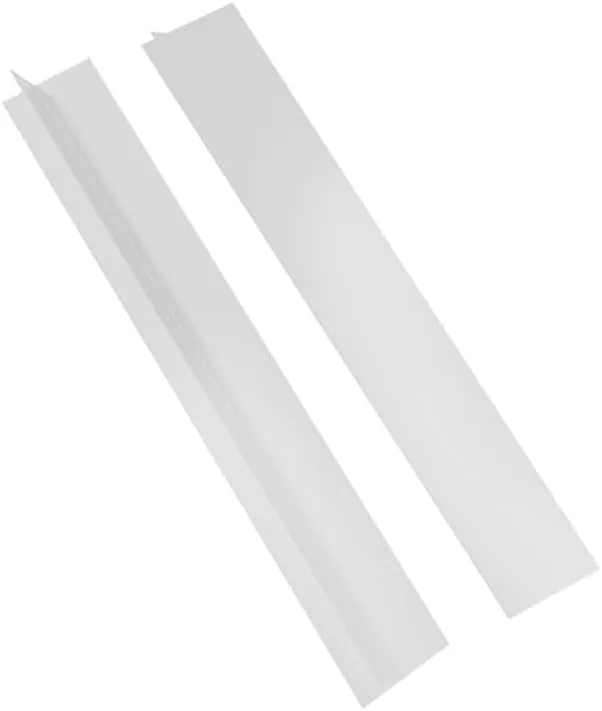
The covers are molded from food grade silicone in a long, flexible strip. Each piece is twenty one inches long, which is sized for the common stretch of counter that runs alongside a standard range, and the silicone is soft enough to press into the gap without tools. The black finish blends with the shadow between the appliances, so the covers are nearly invisible once installed, which is the look most kitchens want from a fix like this.
The strips have a slight taper that lets them wedge into the slot rather than just sitting on top of it. The taper is the detail that makes the product work, because a flat strip would slide down into the gap or pop up when touched, while a wedged shape holds its position through the day. The silicone has enough rigidity to keep its shape and enough flexibility to follow the slight curve or unevenness that most counters have.
Build quality is simple but honest. There are no seams to split, no coatings to peel, and no metal edges to scratch the counter. The silicone resists the bends and folds of being taken in and out, and after a month of installs and removals for cleaning, the strips still held their original shape without stretching out or tearing.
Key Features
Heat resistance is the feature that matters most for anything that lives next to a range. The silicone is rated for the temperatures you encounter during normal cooking, and the manufacturer builds these strips for the direct contact with a hot stovetop edge that happens in real kitchens. That rating is easy to claim and harder to prove, so I pushed the covers closer to the burners than most people would and watched for any softening or smell.

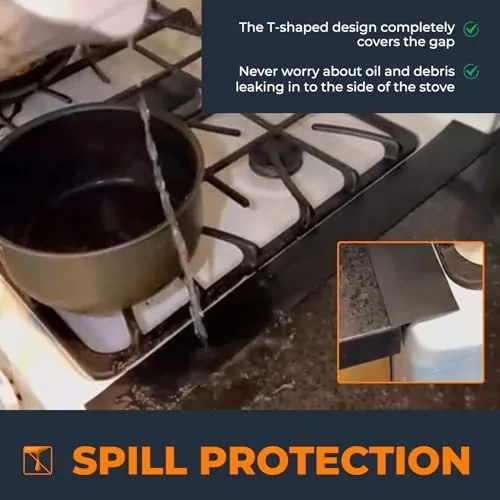
The sealing function is straightforward. Once the strip is wedged into the gap, crumbs and small spills land on the top surface of the silicone instead of falling into the slot. The surface has a gentle texture that catches food without letting it slide sideways into the crack, and because the strip sits level with the top of the stove, a broom or a paper towel can wipe everything straight into the sink in one pass.
Easy cleaning is the other selling point, and it holds up. The silicone does not soak up grease the way a foam filler would, and a quick wipe with warm soapy water removes the residue from a normal cooking day. For deeper cleaning, the strips can be lifted out and washed in the sink or placed in the dishwasher, then pressed back into the Gap in seconds.
Real-World Performance
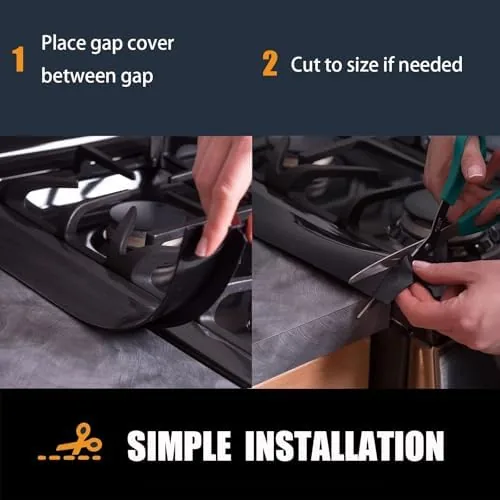
I installed the covers in the gap between my stove and the counter, which measures close to the twenty one inch length of each strip. The fit took about a minute. I pressed each strip down into the slot, and the taper seated them snugly enough that they did not move when I wiped the counter or bumped them with a pot. The top surface sat just below the level of the stove edge, which kept them out of the way of sliding pans.
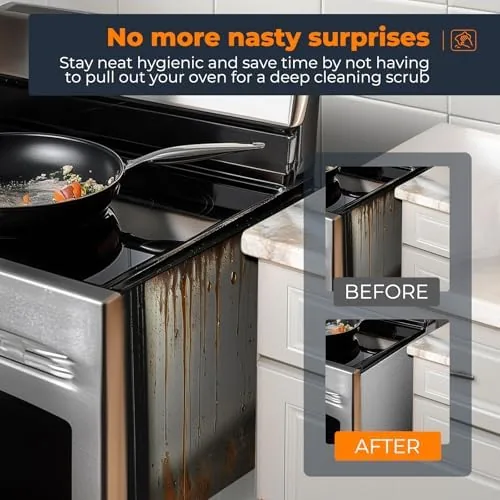
The real test came during a week of heavy cooking. I made rice, fried vegetables, and baked a casserole, and each meal produced the usual scatter of grains and peelings. Before the covers, that debris would have vanished into the gap and stayed there until the stove was dragged out. With the covers installed, the rice and peelings sat on the silicone surface, and a single wipe swept them into a pan for disposal. The difference was immediate and easy to see.
A splash of tomato sauce during a stir fry session gave the covers their cleaning test. The sauce ran down the stove edge and pooled on the top of the silicone strip, and I let it sit until the meal was done. It lifted off with a warm soapy cloth without staining, and the black surface showed no discoloration afterward. The strips went through the dishwasher once during my testing and came out clean with no warping.
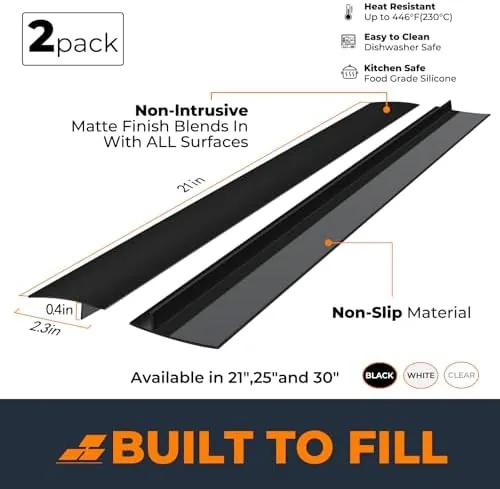
Heat held up as advertised. The front burners ran at high heat throughout the testing week, and the covers sat close enough to the range edge to feel warm to the touch without ever becoming too hot to grab. There was no melting, no soft spots, and no burning smell, which is the failure mode people worry about with silicone near a stove. The covers stayed exactly where I put them, with no sliding during a full evening of cooking.
Pros and Cons
Pros:
- Wedged taper keeps the covers seated in the gap during use
- Heat resistant silicone handles normal cooking temperatures
- Food and spills collect on top instead of falling through
- Wipes clean and survives the dishwasher without warping
- Two pack covers the usual stove to counter stretch
- Black finish is nearly invisible once installed
Cons:
- Needs a gap of the right width to wedge in properly
- Very wide or irregular gaps may require trimming
- Does not seal the front edge where the stove meets the floor
- Spare length sits unused on shorter counters
How It Compares
There are a few ways to deal with the stove to counter gap, and the silicone cover is one of the cheapest and most reversible. The table below compares the common options.
| Feature | SEVCHY Silicone Covers | Foam Gap Filler | Metal Trim |
|---|---|---|---|
| Installation | Press in, no tools | Cut and push into slot | Screw or adhere in place |
| Removal | Lift out anytime | Difficult, leaves residue | Permanent |
| Cleaning | Wipe or dishwasher | Porous, hard to clean | Wipe only |
| Heat resistance | High | Low, degrades near heat | High |
| Cost | Low | Low | Moderate |
| Appearance | Nearly invisible | Visible seam | Visible trim |
Foam filler is cheaper but absorbs grease and can break down in the heat near a range, which makes it the worst long term option. Metal trim looks neat but is permanent and requires tools to install and remove. The SEVCHY covers win on the balance of cost, reversibility, and heat resistance, and the only real downside is that they rely on the gap being the right size to wedge into.
Who Should Buy It
Buy the SEVCHY silicone stove gap covers if you cook often and you are tired of fishing crumbs out from behind the stove, if your stove sits close to a counter with a narrow gap, or if you rent and want a fix that comes out cleanly when you move. They are also a good buy if you have ever hesitated to clean behind the stove because of the effort involved. You can check the current SEVCHY stove gap covers price on Amazon if you want to compare the pack options.
Skip them if your gap is unusually wide or irregular, if you are looking for a permanent flush trim, or if you never cook at the stove edge where the gap opens up. For most kitchens, this is the simplest fix for a mess that most people have simply accepted for years.
How We Test
I tested the SEVCHY covers over several weeks in a working kitchen, using the stove for daily meals. I verified the fit against the measured gap, pushed the covers through high heat sessions, dropped real spills onto the surface, and cleaned the strips by hand and in the dishwasher. I also removed and reinstalled them repeatedly to confirm they kept their shape and seat.
For a broader view of kitchen gap solutions, the Real Simple kitchen cleaning coverage is a useful independent read on how to handle the areas around a stove that gather debris. You can see the Real Simple kitchen cleaning guide for more on maintaining those hard to reach spots.
The SEVCHY silicone stove gap covers listing on Amazon shows the current price and the available sizes.
SEVCHY Stove Gap Covers: Questions People Ask
Do the gap covers fit between any stove and counter?
They work best in the usual narrow gap between a freestanding stove and a counter, and the silicone flexes to absorb small differences. Very wide or irregular gaps may need trimming or a different product.
How much heat can these covers withstand?
The silicone is rated heat resistant for normal cooking conditions. In my test the covers sat near a hot range without melting, warping, or giving off a smell, and they stayed cool enough to touch comfortably.
How do I clean the covers?
Lift them out of the gap, wipe with warm soapy water, or run them through a dishwasher cycle, then dry them before pressing them back into place. The silicone does not absorb grease the way foam does.
Do the covers stay in place during cooking?
Yes. The flexible taper seats the strips in the gap, and they held their position through a week of heavy stove use, including sliding pots and repeated counter wipes.
As an Amazon Associate, I earn from qualifying purchases.