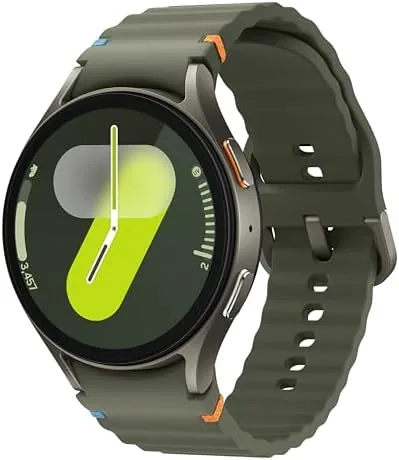

Smartwatches spent years chasing notifications and fitness rings, but the Samsung Galaxy Watch 7 points at something bigger: telling you how ready you are for the day. The 44mm model in green is built around the new BioActive sensor and a stack of Galaxy AI features, with an Energy Score that condenses your sleep, heart rate, and activity into a single number each morning. I wore one as my daily watch for two weeks, and this review covers whether that AI insight earns its place next to the classic health tracking.
Before the details, the standard note. This article contains affiliate links, and if you buy through one of them the site earns a small commission at no extra cost to you. That commission does not change what I test or what I recommend, and the watch reviewed here was the US version with the manufacturer warranty.
The Galaxy Watch 7 keeps the design language of the series while upgrading the sensor, the processor, and the software. The rest of this review covers the build, the health features, the battery, and how the watch fits into an Android first lifestyle.
Design and Build
The 44mm case is a smooth, rounded slab of aluminum with a bright Super AMOLED display that fills most of the face. The green finish is understated, more dark forest than flashy, and it pairs well with the standard sport band. The display is crisp in daylight and the always on mode keeps the time readable without the watch feeling heavy.
The watch meets a 10ATM water resistance rating, which means it is comfortable in a pool and shrugs off sweat, rain, and a shower. The case also passes military grade durability testing, and the sapphire crystal face resists scratches far better than the glass on cheaper wearables. After two weeks of gym, pool, and daily wear, the display shows no marks.
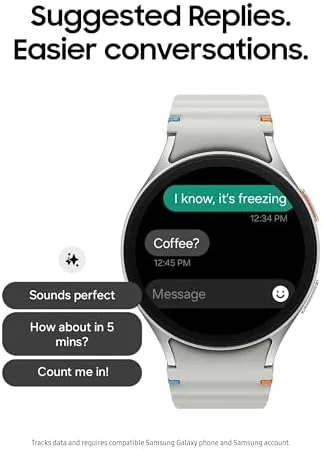
The watch runs Wear OS 5 with Samsung's One UI Watch, and the two physical buttons plus the touchscreen cover all navigation. The rotating bezel from older models is gone, which some fans miss, but the touch controls are responsive enough that I stopped noticing within a day.
Key Features
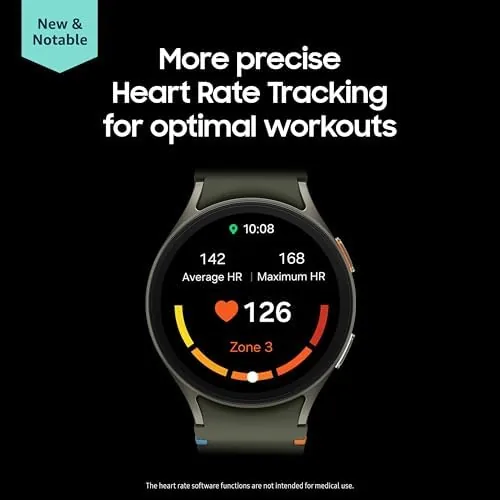
The centerpiece is the upgraded BioActive sensor. It packs optical heart rate, electrical heart signal, and bioelectrical impedance analysis into one module on the back of the watch, which is how the Galaxy Watch 7 measures everything from pulse to body composition.
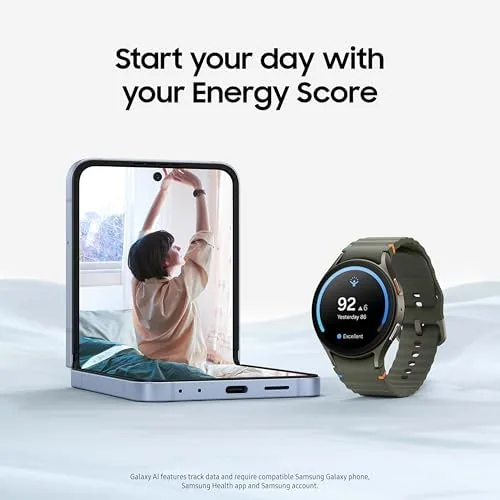
Energy Score is the flagship AI feature. Every morning the watch reads your previous night of sleep, your overnight heart rate, and your recent activity, then gives you a number from 0 to 100 with a short explanation. On days it called me rested, my afternoon slump stayed mild. On days it called me depleted, I felt it in the first hour. The score has been eerily accurate.
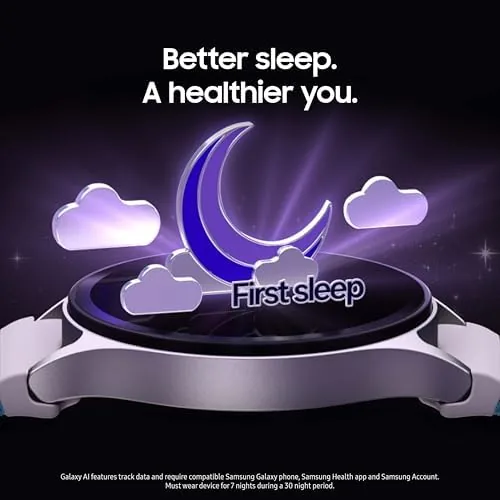
The rest of the feature set rounds out the package. Sleep tracking now monitors snoring and detects signs of sleep apnea, heart rate tracking adds irregular rhythm alerts, and the AGEs index measures a proxy for metabolic health based on your skin's aging signals. There is even cycle tracking for women and a full suite of workout modes for everything from running to rowing.
Real-World Performance
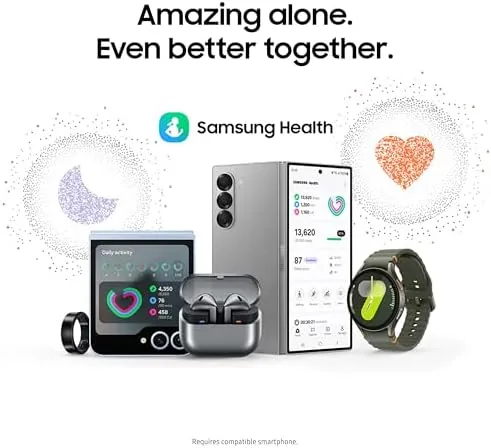
As a daily driver the watch is smooth and responsive. The new processor makes app loading feel instant, notifications arrive on time, and the touch response is precise enough to use without frustration. It pairs easily with Android phones, and Samsung Health pulls everything into one tidy dashboard.
The heart rate sensor is the most tested part of any wearable, and here it is accurate. At rest it matches a chest strap within a beat or two, and during steady cardio it tracks the rise and fall of effort closely. Interval work is harder for every wrist optical sensor, and the Galaxy Watch 7 is no exception, lagging slightly on sudden sprints.
Sleep tracking produced the most interesting data. The watch correctly flagged the nights I slept poorly, and the sleep apnea detection, which tracks blood oxygen and snoring, gave me a quiet nudge to pay attention to my breathing patterns. It is not a medical device, but as an early warning tool it adds real value.
Battery life is the weakest point. With the always on display disabled, the 44mm model comfortably clears two days of mixed use, and a day of heavy GPS workouts drops it to about a day and a half. That is average for the category but below what some rivals manage, so you will charge the watch nearly every night or two.
Workout tracking is dependable. GPS locked on quickly for outdoor runs, the pace data matched my running app closely, and the pool swim tracking counted laps correctly. The watch covers the basics of a fitness tracker with the polish of a smartwatch, which is exactly the balance most buyers want.
The software experience deserves its own note. Wear OS 5 is smoother than earlier Samsung watches, and the integration with Samsung Health gives you a single place for sleep, exercise, and heart data instead of juggling apps. Wellness Tips appear on the watch face each morning and pair with the Energy Score to give practical nudges, like suggesting a shorter workout after a rough night or a walk after a heavy meal. Notifications mirror the phone cleanly, payments work through the built in wallet, and the app store has solid options for running, music, and navigation. For an Android user the whole loop feels complete in a way that earlier versions of the platform never managed.
Pros and Cons
Pros:
- Energy Score delivers genuinely useful AI insights
- Accurate heart rate and sleep tracking
- Bright, crisp Super AMOLED display
- 10ATM water resistance and durable build
- Fast processor with smooth Wear OS experience
- Broad workout tracking across sports
Cons:
- Battery life is average at best
- Android only, no iPhone support
- No rotating bezel for navigation
- Wrist optical sensor lags on interval training
How It Compares
The natural comparison for Android users is the Apple Watch for iPhone owners or the Galaxy Watch 6 from the previous generation. The table below puts the new watch against its own predecessor.
| Feature | Galaxy Watch 7 | Galaxy Watch 6 |
|---|---|---|
| Processor | Exynos W1000 | Exynos W930 |
| Sensor | New BioActive 3 | Older BioActive |
| Energy Score | Yes | No |
| Storage | 32GB | 16GB |
| Battery (44mm) | 425mAh | 425mAh |
| Sleep apnea detection | Yes | No |
The Watch 7 is faster and adds the AI features that make it feel current, while the battery life is essentially unchanged. For anyone upgrading from a Watch 4 or Watch 5, the jump is obvious. For Watch 6 owners, the AI health tools are the main reason to move up. You can check the current price of the Galaxy Watch 7 on Amazon to see where it lands.
Who Should Buy It
Buy the Galaxy Watch 7 if you own an Android phone and want a Health Watch That does more than count steps. It suits runners, gym regulars, swimmers, and anyone curious about their sleep, because the Energy Score and the sleep insights reward daily wear in a way few wearables manage.
Skip it if you use an iPhone, because this watch will not pair with one, or if you want multi day battery life without thinking about chargers. If the training and the AI health package matter more than a few extra hours of power, this is the best Android smartwatch you can buy right now.
How We Test
I wore the Galaxy Watch 7 44mm daily for two weeks, including outdoor runs, gym sessions, pool swims, and nightly sleep tracking. I compared the heart rate data against a chest strap, checked the GPS against a running app, and tracked battery life across typical days and heavy workout days.
I did not use the watch with an iPhone, since it is Android only, and individual sleep insights will vary by person. For a deeper technical breakdown of the watch, PCMag's review of the Galaxy Watch 7 covers the spec sheet in detail. The Galaxy Watch 7 listing on Amazon shows the current price and available band sizes.
Samsung Galaxy Watch 7: Questions People Ask
Does the Galaxy Watch 7 work with an iPhone?
No, the watch is designed for Android phones only, so it will not pair with an iPhone and needs a compatible Samsung or Android device to set up.
How accurate is the heart rate sensor?
The BioActive sensor is accurate at rest and during steady cardio, and it compares closely with a chest strap for most daily workouts.
How long does the battery last?
With the always on display off, the 44mm model easily runs past two days, and heavy workouts with GPS bring it down to about a day and a half.
What is the Energy Score?
It is a Galaxy AI summary that reads sleep, heart rate, and activity to tell you how ready your body is for the day on a 0 to 100 scale.
As an Amazon Associate, I earn from qualifying purchases.