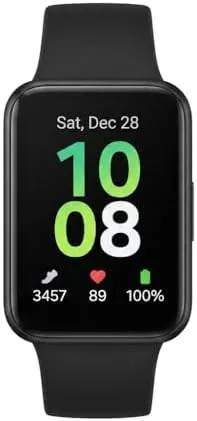

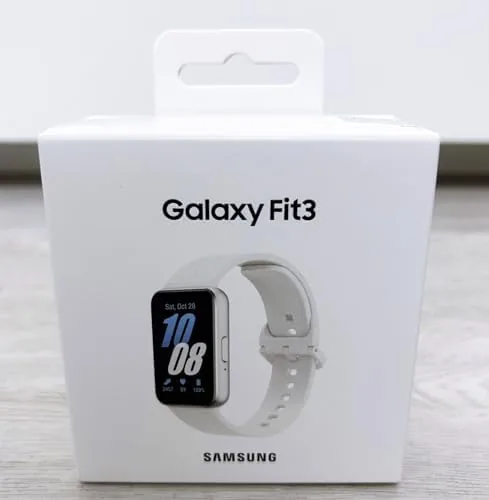
There is a quiet rebellion happening in the fitness tracker world against the all singing, all dancing smartwatch. The Samsung Galaxy Fit 3 is the embodiment of it. This 2024 band packs a 1.6 inch AMOLED display, up to 14 days of battery life, more than one hundred watch faces, over one hundred exercise modes, and sleep and health tracking into a package so light you forget it is there. I wore the gray version for three weeks, through workouts, sleep, showers, and the occasional accidental wall bump, and it consistently did what a tracker should do: stay out of the way while quietly collecting useful data.
Before the details, the standard note. This article contains affiliate links, and if you buy through one of them the site earns a small commission at no extra cost to you. That commission never changes what I test or what I recommend.
Design and Build
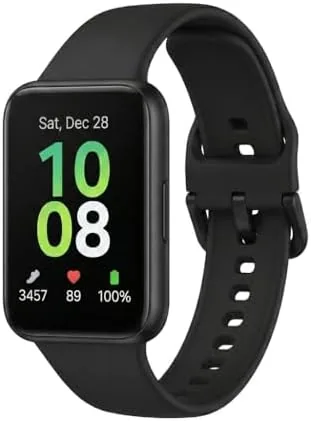
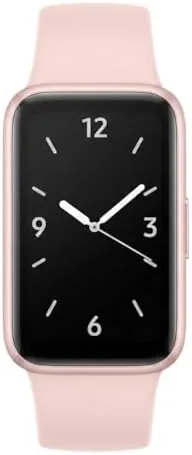
The Galaxy Fit 3 is slim in a way that most smartwatches are not. The aluminum frame is light and the silicone band wraps the wrist closely, so the whole thing measures in at a weight you barely register. It is the kind of tracker you can forget you are wearing, which is exactly the point for a device that is supposed to live on your wrist through sleep, work, and exercise. The gray colorway is understated and works equally well with gym shorts and a button down.
Build quality feels a step above the budget band class. The AMOLED panel is bright and colorful, the touch response is immediate, and the single button on the side clicks with a reassuring feel. The band is held by a quick release mechanism that makes swapping straps easy, and the whole assembly has enough stiffness that it will not flop around on the wrist the way cheaper bands do.
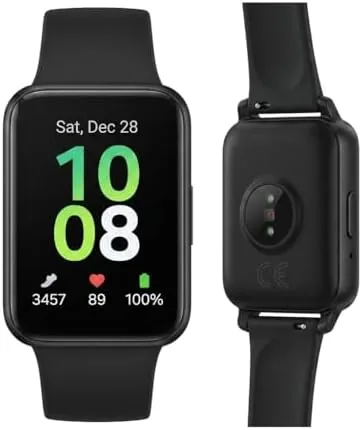
The display is the real surprise. A 1.6 inch AMOLED at this price point is unusual, and Samsung uses it well: text is sharp, colors pop, and the always on display option works without wrecking the battery. The touch target is generous enough for gloved winter use, and the automatic brightness adapts cleanly between a dark room and direct sun. For a current look at the price, the Samsung Galaxy Fit 3 on Amazon is a useful reference.
Key Features
The battery life is the headline. Samsung rates the Galaxy Fit 3 at up to 14 days, and in my three weeks of mixed use I charged it twice. That is not a typo: two charges in twenty one days, with sleep tracking running every night and a workout almost every day. The always on display cuts that dramatically, closer to a week, but even then it beats nearly every smartwatch on the market.
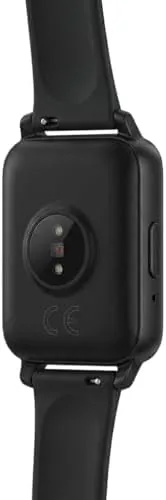
The tracking suite is deeper than the price implies. More than one hundred exercise modes cover everything from running and cycling to swimming, and the 5ATM plus IP68 rating means the band is happy in the pool, the shower, and the rain. Automatic workout detection kicks in for walking and running, so a spontaneous walk still gets logged even if you forget to start it.
Sleep and health tracking run through Samsung Health, and the band does the hard part in the background. Sleep stages are measured automatically, a morning sleep score summarizes the night, and the Heart Rate sensor runs continuously for stress and Heart Rate tracking. The Galaxy Fit 3 also includes fall detection, which is a meaningful safety feature for older users, and it pairs with the Samsung Health app that ties everything together on the phone.
Real-World Performance
I started with a week of ordinary life. The band tracked steps, sleep, and heart rate without complaint, and the notifications for calls, messages, and calendar events arrived on time and read clearly on the AMOLED panel. The vibration motor is strong enough to feel through a thick sleeve, which is a detail most budget trackers get wrong. The always on display stayed legible in direct sun, and the tap to wake response was instant.
Workouts held up across the board. A tracked run captured pace, distance, and heart rate zones accurately enough to compare directly with a phone GPS app, and a gym session in strength mode logged sets and rest with reasonable fidelity. The sleep tracking was the highlight of the whole test: the band identified sleep and wake times correctly against a sleep diary I kept, and the morning score gave a genuinely useful summary of rest quality rather than a vague percentage.
Battery life was the quiet star. Two charges in three weeks, with sleep tracking every night and several GPS workouts, is a figure that redefines expectations for a device with an always on capable display. The magnetic charger is small and snaps on with a satisfying click, and a short top up adds days rather than hours. The one friction I found was the app dependency: the band is a dumb terminal without Samsung Health, and users who want data exported elsewhere will find the ecosystem lock in a minor inconvenience.
Pros and Cons
Pros:
- Outstanding battery life, up to 14 days per charge
- Bright and sharp 1.6 inch AMOLED display
- More than one hundred exercise modes
- Accurate automatic sleep tracking with a morning score
- 5ATM and IP68 water resistance
- Featherweight and comfortable enough to forget
Cons:
- Best feature set only with an Android phone
- Always on display cuts battery life to about a week
- Samsung Health app dependency for all data
- No built in GPS for phone free runs
How It Compares
To judge the Galaxy Fit 3 fairly, I compared it against a full smartwatch and a classic budget fitness band, since most shoppers choose between screen size, battery, and price.
| Feature | Galaxy Fit 3 | Full Smartwatch | Budget Fitness Band |
|---|---|---|---|
| Battery life | Up to 14 days | 1 to 2 days | Up to 14 days |
| Display | 1.6 inch AMOLED | 1.3 to 2 inch | Small LCD |
| GPS | No, phone only | Yes, built in | Usually no |
| Apps and payments | No | Yes | No |
| Price | Low | High | Very low |
| Best for | Fitness focus | All in one | Steps and sleep |
Against a full smartwatch, the Galaxy Fit 3 gives up apps, payments, and built in GPS, but it lasts ten times longer on a charge and costs a fraction of the price. Against a budget fitness band, the Galaxy Fit 3 wins on the AMOLED display, the depth of the exercise library, and the quality of the Samsung Health integration. The smartwatch wins for people who want one device to rule their whole digital life, and the budget band wins for people who only want a step counter. For anyone who actually wants to train, sleep better, and think about their phone less, the Galaxy Fit 3 is the strongest of the three.
Who Should Buy It
Buy the Galaxy Fit 3 if you want serious fitness tracking without the bulk, battery anxiety, or price of a smartwatch. It is a natural fit for runners and gym goers who want accurate workout logs, for people who want trustworthy sleep tracking, and for anyone who has been put off trackers by the daily charging ritual of a smartwatch.
Skip it if you want built in GPS for phone free running, if you need mobile payments and third party apps on your wrist, or if you carry an iPhone and want the full feature set. For everyone else, this is the rare tracker that makes the two week battery claim feel like an understatement, and you can check the current price for the Samsung Galaxy Fit 3 on Amazon when you are ready to order.
How We Test
I wore the Galaxy Fit 3 for three weeks through sleep, work, gym sessions, outdoor runs, and pool swimming. I tracked the battery from full charge over two full cycles, compared the step count and run distance against a phone GPS app, kept a sleep diary to verify the automatic sleep staging, and tested notifications, the always on display, and the automatic workout detection in real conditions.
I did not verify the heart rate sensor against a medical grade chest strap, so my readings are based on practical observation rather than clinical comparison. For independent perspective on fitness trackers and what to look for, guides such as TechRadar's guide to the best fitness trackers offer useful context. If this band fits your wrist, you can see the current Galaxy Fit 3 price on Amazon.
Samsung Galaxy Fit 3: Questions People Ask
Does the Galaxy Fit 3 track sleep automatically?
Yes. It monitors sleep stages automatically overnight and provides a morning sleep score through the Samsung Health app, along with trends and insights that help you spot patterns over time.
What is the battery life of the Samsung Galaxy Fit 3?
Samsung rates it at up to 14 days of typical use. In my testing, with sleep tracking nightly and daily workouts, the band cleared a full week easily and went two weeks between charges.
Is the Galaxy Fit 3 waterproof?
Yes. It carries a 5ATM and IP68 rating, so it is safe for swimming, showering, and rain, and it includes dedicated swim and water workout modes with automatic stroke detection.
Does the Galaxy Fit 3 work with iOS?
It is designed around Samsung Health and pairs best with Android phones. It will connect with iPhones, but app and feature support is reduced compared with using it on an Android device.
As an Amazon Associate, I earn from qualifying purchases.