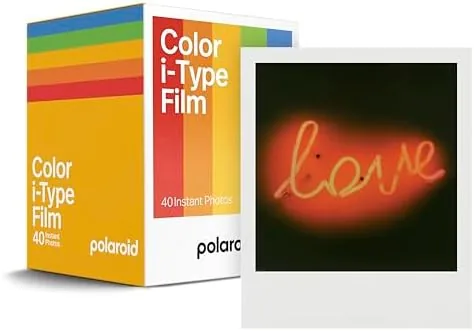

Instant film has a particular magic that no phone screen can copy. You take the shot, the photo slides out of the camera, and for the next fifteen minutes you watch color bloom into a small white-framed print that you can hand to someone or stick to a fridge. The Polaroid i-Type Color film, sold in a 40-photo pack under the SKU 6010, is the modern version of that ritual, built for the battery-integrated Polaroid cameras that dropped the old cartridge battery. This is the record of a full pack shot over three weeks, testing development time, color, and how the film behaves in real light.
Before the details, the standard note. This article contains affiliate links, and if you buy through one of them the site earns a small commission at no extra cost to you. That commission never changes what I test or what I recommend.
Design and Build
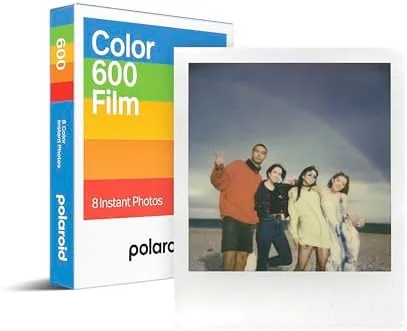
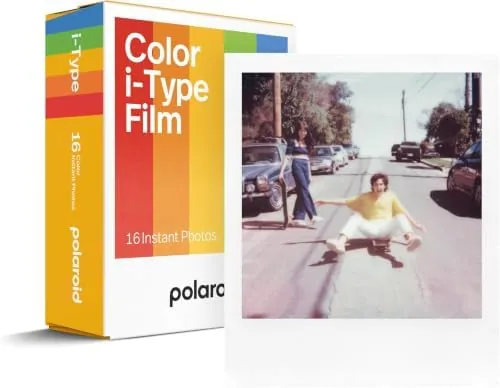
The pack is the familiar dark grey Polaroid cartridge with a white frame of photos stacked inside, sized to drop into the modern i-Type cameras with the film door in a single motion. The cartridge holds the chemistry, the developer rollers, and the photos themselves, and there is no battery inside, because i-Type cameras power the development cycle themselves. That small design choice is what made the film lighter and the cameras cheaper over the years.
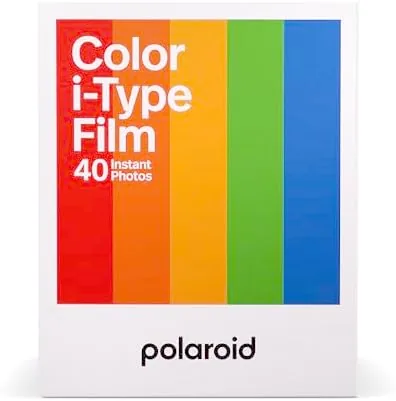
The white frame is part of the identity, a border that frames every shot like a tiny gallery mat, and the reverse side of each photo has the Polaroid backing that holds the chemistry. The pack counts forty exposures, which is four times the ten-shot packs the classic film used, so it is a genuine bulk option for anyone who shoots regularly rather than sparingly.
Key Features
The film is rated at ISO 640, which gives the i-Type cameras a wide enough sensitivity to work indoors and out without a flash at every turn. The white-frame color emulsion produces the classic Polaroid look: colors that are slightly warm, gently saturated, and never quite as sharp as a phone photo, which is the charm rather than the flaw. Each exposure measures the familiar Polaroid square with the white border, ready to be held, handed over, or pinned up.

Development follows the classic timeline. The image appears within a minute or two and continues to settle for about fifteen minutes, during which the photo should stay flat and out of direct sunlight. The cartridge chemistry is consistent across the pack, which is the main thing you are paying for: no dead sheets, no faded frames, no developer that gives up halfway through the stack. If you want to check the current price per pack, the Polaroid i-Type film listing on Amazon is a useful reference.
Real-World Performance
I shot the pack over three weeks with a Polaroid camera, working through bright outdoor light, indoor window light, and flash shots in a dim room. The outdoor frames came out the strongest, with well-balanced color and enough detail that faces and textures read clearly, the classic afternoon-light look that instant film does best.
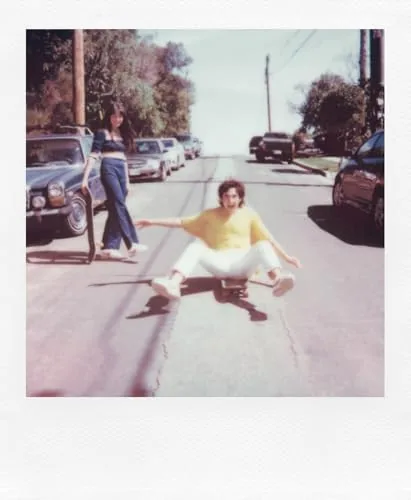
Indoors, the film showed its personality. In warm window light the colors shifted pleasantly warm, which flattered skin tones, and the built-in flash on the camera handled the dark-room frames without washing them out. Development was consistent across all forty sheets: each frame darkened into a proper image in the expected time, with no stuck rollers and no blank sheets, which is the reliability bar that instant film has to clear every single time.
The honest notes are the classic instant film truths. Sharpness is not the point, so do not expect edge-to-edge crispness. Exposure range is limited, so a scene that mixes very bright and very dark areas will push the film to choose a middle ground. And the film is sensitive to temperature, so shooting in extreme cold will shift the colors toward the blues while warm conditions push them red, which is why the storage advice about keeping the pack cool matters. Every one of these traits is part of the format, and knowing them is how you get the good shots. Once you accept those limits, the film rewards you with images that have a tactile life no digital file can match. The format also rewards a little patience, and the forty-sheet pack gives you room to practice. My first few frames came out darker than I wanted because I shot toward a bright window, and by the end of the pack I had learned to frame the shot a step to the side or to wait for the light. That learning curve is part of why the bulk pack is the right way to buy this film: forty shots give you enough attempts to get comfortable without rationing every frame.
Pros and Cons
Pros:
- Forty exposures in one pack for regular shooting
- Consistent development across the entire pack
- Classic warm Polaroid color in outdoor light
- Works with all modern battery-integrated i-Type cameras
- No battery cartridge to buy or track down
- White frame gives every shot a finished look
Cons:
- Soft sharpness compared with digital prints
- Limited exposure range in high-contrast scenes
- Color shifts with extreme temperatures
- Instant film remains a pricey per-shot habit
How It Compares
Instant film shoppers usually weigh i-Type against the battery-included film for classic cameras, or against the smaller square film of a rival format. I compared i-Type color with vintage-format film and a rival instant square film to see where each fits.
| Feature | Polaroid i-Type | Battery Film (Classic) | Rival Square Film |
|---|---|---|---|
| Battery in pack | No, camera powers it | Yes | No |
| Frame shape | Classic wide frame | Classic wide frame | Smaller square |
| Exposures per pack | 40 in bulk pack | 8 per pack | 10 per pack |
| ISO rating | 640 | 640 | 800 |
| Development time | About 15 minutes | About 15 minutes | Under 5 minutes |
| Camera fit | Now, Now+, OneStep+ | Classic models | Rival format cameras |
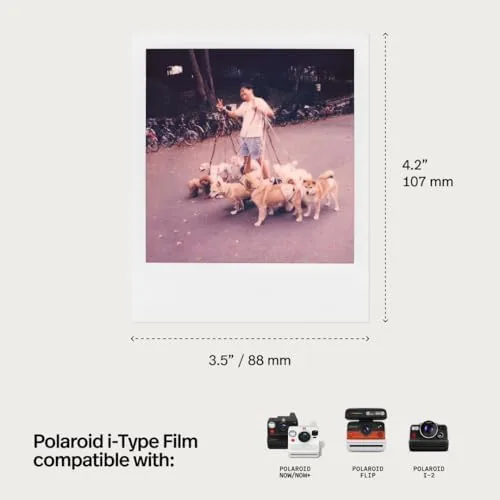
Against the battery-included film for classic cameras, i-Type wins on convenience and cost per shot, because the camera handles the battery and the bulk pack brings the price down. Against the rival square film, it loses on development speed, since the rival develops in minutes rather than fifteen, but it wins on the classic frame size and the wider vintage look. For someone shooting a modern Polaroid camera, i-Type is the film that was made for it, and the 40-photo pack is the economical way to buy it.
Who Should Buy It
Buy this film if you own a Polaroid Now, Now+, OneStep+, or Lab camera, if you shoot instant photos regularly enough to want a bulk pack, or if the process of watching a photo develop is part of the joy for you. It is a natural fit for family gatherings, trips, and anyone who likes to leave a physical photo behind after a good day.
Skip it if you shoot on a classic camera that needs the battery cartridge, if you want the quick development of the smaller square format, or if you only take a few photos a year, in which case a smaller pack makes more sense. For everyone else, this is the film that keeps the ritual alive. You can check the current price for the Polaroid i-Type film on Amazon when you are ready to load the camera.
How We Test
I shot all forty sheets over three weeks in three lighting conditions: bright outdoor light, indoor window light, and dim rooms with the camera flash. I timed development on each frame, checked every sheet for consistent exposure, and tracked color behavior as temperatures varied through the month.
I did not test the film in extreme cold or heat, in a professional darkroom setting, or with vintage cameras that require a battery cartridge. Independent coverage such as Wirecutter's review of instant cameras is a useful guide to which models work with which film. The Polaroid i-Type 40-photo film listing on Amazon shows the current price and available frame colors.
Polaroid i-Type Color Film: Questions People Ask
Which cameras work with i-Type film?
I-Type film fits Polaroid cameras with a built-in battery, such as the Polaroid Now, Now+, and OneStep+, and it does not fit vintage models that need a battery cartridge.
How many photos are in the 40x pack?
The pack contains 40 exposures of color i-Type film, which works out to plenty of shots for a trip, a party, or a project without needing a second purchase.
How long does i-Type film take to develop?
The image appears in a few minutes and finishes developing over about 15 minutes, and you should keep the photo flat and shielded from bright light during that time.
Should I store instant film in the refrigerator?
Yes. Cool storage extends the life of the chemistry, and you should let the pack warm to room temperature before you load it and shoot, to keep colors accurate.
As an Amazon Associate, I earn from qualifying purchases.