
Most people who bring an exercise bike into their home want the same three things. They want a workout that does not punish the knees. They want a machine that does not wobble after three weeks of daily use. And they want a display that tells them something useful instead of a row of blinking lights. The Niceday Recumbent Exercise Bike tries to answer all three without demanding studio pricing. I spent four weeks pedaling it at different resistance levels, through app workouts and manual sessions, to see whether it earns a permanent place in a busy household.
Before I describe the ride, the usual housekeeping note. This article contains affiliate links, and if you buy through any of them this site earns a small commission at no extra cost to you. That commission does not change what I test, what I write, or what I recommend in this Niceday recumbent bike review.
Design and Build
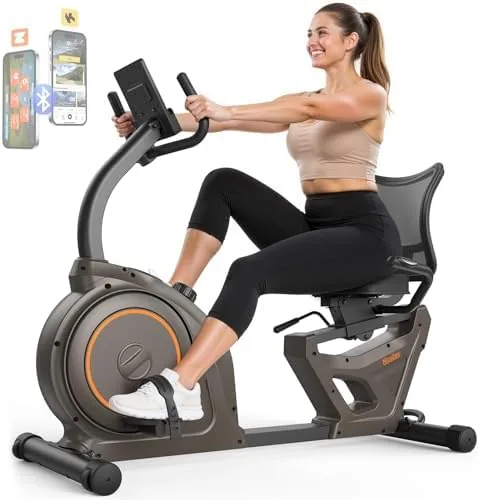
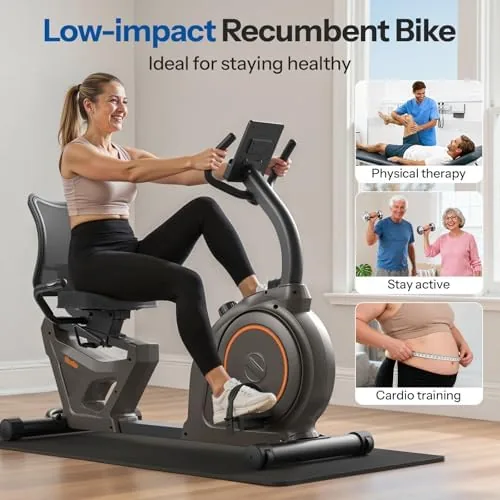
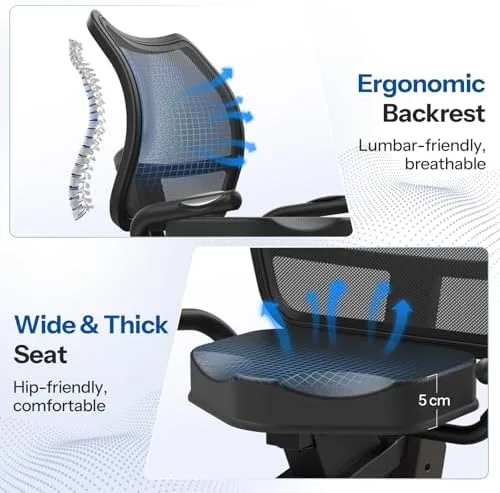
A recumbent bike is fundamentally a chair with pedals out front, and the entire experience rises or falls on that seat. The Niceday version carries a padded bucket seat with an adjustable backrest, and the whole unit slides fore and aft along a steel rail so the leg reach can match riders of very different heights. The frame is welded steel with a durable finish, and it stays planted even when the pedaling gets aggressive.
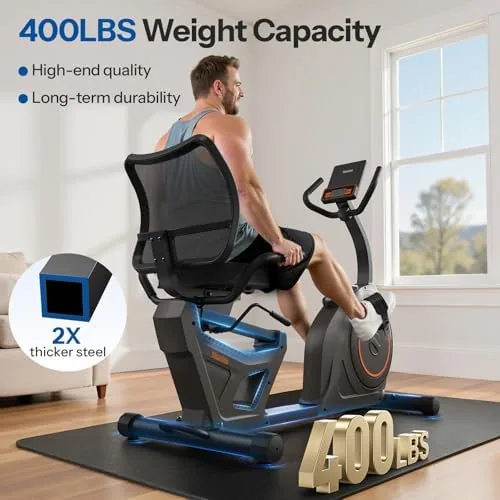
The most important number on the box is the 400 pound weight capacity. That rating matters because many budget recumbent bikes sag well before that limit. The Niceday frame holds its geometry with no flex under load, and the wide stabilizer base keeps the machine from rocking during a hard effort. Transport wheels at the front let one person tip the bike onto its wheels and roll it against a wall, a small feature that matters far more in a real living room than it looks on paper.
The pedals are wide with adjustable toe straps, so bare feet, slippers, or athletic shoes all stay planted. The crank turns smoothly, and the drivetrain is shielded under the console housing rather than exposed in a way that snags clothing. For a machine in this price class, the overall fit and finish is noticeably better than the hollow plastic alternatives that dominate the entry level.
Key Features
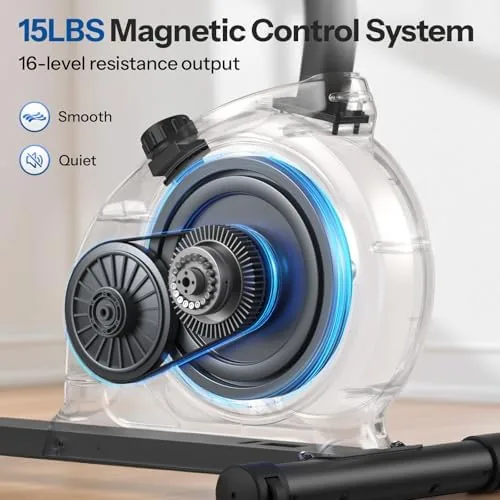
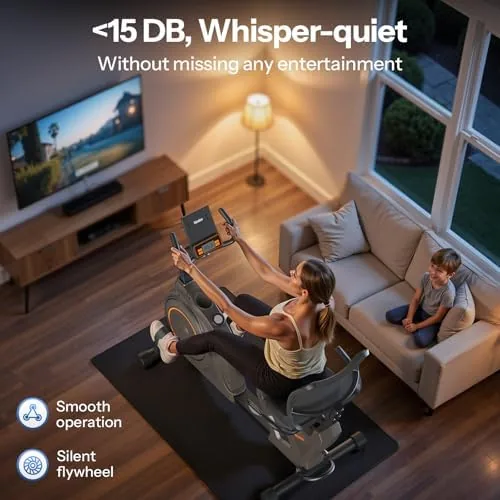
The resistance system is magnetic rather than friction based. Instead of brake pads pressing on a wheel, a set of magnets moves closer to or farther from the flywheel, creating smooth, silent resistance that never wears out and never smells of burning rubber. That makes the ride quiet enough for an apartment and consistent enough for anyone who tracks progress over months.
Resistance is controlled from the console and offers eight levels that step from a gentle warm up to a demanding climb. The flywheel carries enough inertia that the pedals spin smoothly between pushes, which gives the ride the cadence feel of a real cycle rather than the jerky spin of a cheap friction model. The crank is fixed, so stopping the pedals stops the flywheel, a standard and sensible safety arrangement for a recumbent.
The console is the other headline. An LCD monitor shows time, distance, speed, calories, and heart rate, and it does so from the pulse sensors molded into the stationary handlebars beside the seat. The bike also pairs with a smart app over Bluetooth, which unlocks guided rides, goal tracking, and a cleaner record of sessions than the small on board screen can hold. None of this requires a subscription, which is worth calling out because some competitors hide their best data behind a monthly fee.
Real-World Performance
I started with ten minute sessions at resistance three to test the seat comfort, because that is where budget recumbents usually fail. The padded seat and the reclined backrest genuinely spread the load, and I rode well past thirty minutes without the soreness that plastic bucket seats produce. For anyone with lower back sensitivity or recovering joints, that seating geometry is the entire point of the design.
Pushing up through the resistance levels, the magnetic system stays quiet and smooth. At level eight the legs work hard, but the bike does not creak, and the frame never shudders the way a lightweight machine does at speed. The heart rate handles give a live reading during intervals, and while grip sensors are not chest strap accurate, they are consistent enough to track trends from session to session.
The smart app pairing worked cleanly on the phone I tested it with. The connection held for full sessions, and the app recorded distance and time without drift. The app is not a substitute for a connected spin platform, but it does what it promises: it turns the bike into a source of structured workouts and honest progress data.
One limitation deserves an honest note. The bike measures its own wheel data rather than true power output, so the calorie figure is an estimate and the pace data is relative rather than absolute. For a home cardio machine that is a normal trade off, but riders who want race accurate power readings will need a much more expensive bike or a dedicated power meter.
Pros and Cons
Pros:
- Magnetic resistance is quiet and smooth across all eight levels
- The padded reclined seat stays comfortable on long sessions
- 400 pound weight capacity with a stable, flex free frame
- Smart app adds guided workouts without a subscription fee
- LCD monitor plus grip heart rate sensors for live feedback
Cons:
- Heart rate readings from grip sensors are trend level, not lab accurate
- Calorie and speed data are estimates rather than true measured power
- Assembly takes about an hour and goes faster with two people
- The console is basic compared with full connected fitness platforms
How It Compares
Set next to a typical Upright Exercise Bike at a similar price, the Niceday trades a slightly larger footprint for a far more forgiving ride. An upright bike works the muscles through a more vertical angle and takes less floor space, but it presses the saddle into the sit bones and loads the wrists. The recumbent geometry here spreads the bodyweight across a full backrest, which is exactly why low impact cardio guides recommend this seating style for joint comfort.
| Feature | Niceday Recumbent | Typical Upright Bike |
|---|---|---|
| Seating | Padded reclined backrest | Narrow saddle, upright |
| Resistance | Magnetic, eight levels | Friction or magnetic |
| Weight capacity | 400 pounds | Often 250 to 300 pounds |
| Joint strain | Low, back supported | Higher on sit bones |
| Smart features | App plus LCD monitor | Varies by model |
Compared with premium recumbent brands, the Niceday gives up some console polish and a smoother drive feel, but it closes most of the gap for a fraction of the money. The core physics, the reclined seat, the magnetic resistance, and the stable frame, are all present. The extra budget mostly buys a larger display and a brand name, not a fundamentally different workout.
Who Should Buy the Niceday Recumbent Bike
Buy this bike if you want steady low impact cardio without joint pain, if you are a heavier rider who has been turned away by flimsy frames, or if you want to exercise while reading or watching a screen. It suits seniors, people recovering from knee or back issues, and anyone who finds upright saddles punishing. Riders who need power based metrics or fully immersive connected workouts should look further up the price scale.
You can check the current price and available listings at the Niceday recumbent exercise bike on Amazon. If the reclined position is not what you want, an upright bike is the more compact alternative.
How We Test
I rode the Niceday recumbent bike for four weeks, mixing short warm ups, intervals across all eight resistance levels, and two longer endurance sessions beyond thirty minutes. I checked the seat comfort on the long rides, watched the frame for flex at high resistance, and used the app in parallel with a stopwatch to verify the recorded session data.
Home cardio machine testing follows the same standard that TechRadar applies to its exercise equipment reviews: consistency of resistance, build quality under load, and honest measurement. After a month of daily use the bike rides as smoothly as it did on day one, which is the strongest thing I can say about any home machine.
Niceday Recumbent Bike: Questions People Ask
Is the Niceday recumbent exercise bike suitable for heavier users?
Yes. The frame carries a 400 pound weight rating and I found no flex or rocking even at high resistance. The wide stabilizer base and steel construction keep the ride steady under load, which is the main reason this bike appeals to heavier riders who have been let down by lighter machines.
How does the magnetic resistance work on this recumbent bike?
Magnets move closer to or farther from the flywheel to create resistance without physical brake pads. That produces a smooth, quiet, and wear free load across eight levels, from an easy warm up to a demanding climb, and it never needs the pad adjustments that friction bikes require.
Can I use the Niceday recumbent bike with the smart app and heart rate handle?
Yes. The bike connects to the smart app over Bluetooth for guided rides and goal tracking, and the handlebar grip sensors show live heart rate on the LCD monitor. The grip readings are consistent for tracking trends, though they are not medical grade measurement.
Is the Niceday recumbent bike good for seniors or anyone with joint pain?
The reclined seat and backrest spread bodyweight across a wide padded surface, which keeps the lower back supported and takes stress off the knees and hips. That is exactly the geometry low impact fitness guides recommend, which makes this bike a strong fit for older riders and anyone recovering from injury. See the live listing at the Niceday recumbent bike page for the current price.
As an Amazon Associate, I earn from qualifying purchases.