
Every kitchen has the same black hole. A narrow slit runs between the range and the counter, and into it go rice grains, sauce drips, the occasional fork, and years of regret about never scrubbing down there. The usual solutions are clumsy: metal guards that rattle, foam strips that crumble, or a resigned shrug. The Linda’s Essentials Silicone Stove Gap Covers take a simpler approach with a flexible silicone strip that sits across the opening. I lived with a two pack on my own range for a month to see whether this low tech fix actually holds up to daily cooking.
Before the details, the standard note. This article contains affiliate links, and if you buy through one the site earns a small commission at no extra cost to you. That commission never changes what I test or what I recommend.
Design and Build
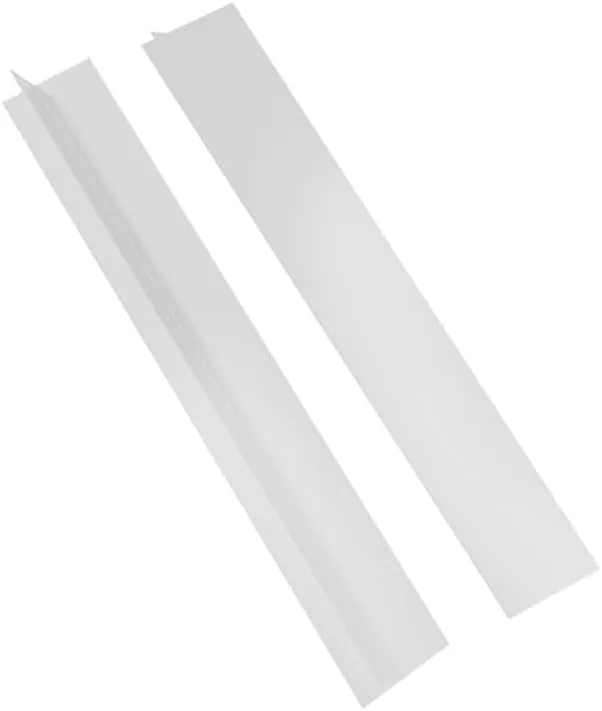
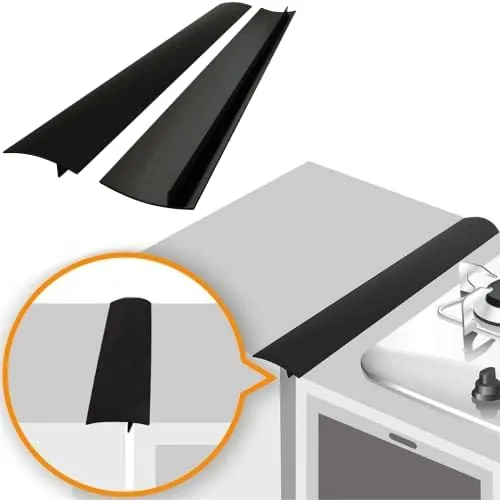
The product is exactly what the name promises. Two flexible black silicone strips, each about 21 inches long, shaped to bridge the gap between the cooktop and the adjacent counter. The silicone is thick enough to hold its shape but soft enough to conform to an uneven opening, which matters because no two ranges sit flush with the countertop.
The strips carry a subtle bevel on the top edge so they present a low profile once installed. They look like part of the counter rather than a repair, which is more than most gap solutions can claim. In black they blend with dark counters and disappear against stainless steel from most angles.
Build quality is straightforward food grade silicone with no seams, no metal inserts, and no exposed edges that could trap crumbs. The material feels dense and durable, and the two pack means a single order covers both sides of a typical range or one side of a wider cooktop with a spare.
The surface texture is worth a closer look, because it decides how the covers behave with food and grease. The top face is smooth enough that oil beads and wipes off, while the underside has a slightly grippier finish that holds against the counter and the stove edge. That combination means the strip stays planted during cooking but still lifts free in one hand when it is time to rinse it. The edge profile is rounded, so there is no sharp lip to catch a knuckle or a dishrag.
Key Features
The defining feature is the seal itself. A strip presses into the gap between the stovetop and the counter, blocking food, liquids, and small objects from falling through while leaving the surfaces open and usable.
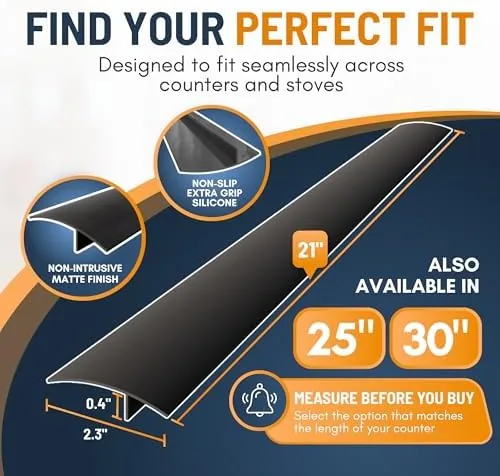
Heat resistance is the second selling point. The silicone is rated for high temperatures, so the strips can sit near the range during normal cooking without softening, warping, or giving off an odor. They are not meant to touch open flame, but heat from an adjacent burner is not a problem.
Cleanup is where this design shines. Because the strips lift out, you can rinse them under the tap or drop them in the dishwasher instead of reaching into a dark gap with a brush. The non stick surface releases oil and sauce residue far more easily than the counter and stove surfaces around them.
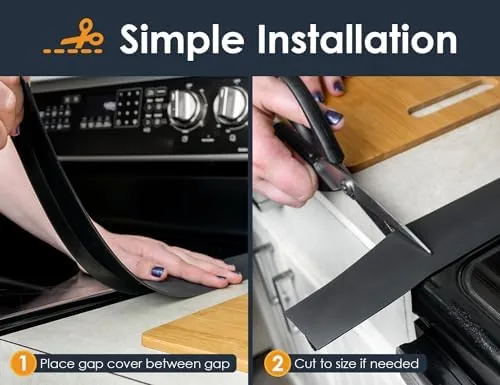
The strips are also flexible enough to be trimmed for a shorter run, which makes them adaptable to a half stove or a sectioned counter layout.
Real-World Performance
I installed one strip on each side of my range, where the counter-to-stove gap measured roughly half an inch. Both strips seated without any adhesive, relying on their shape and weight to stay in place.
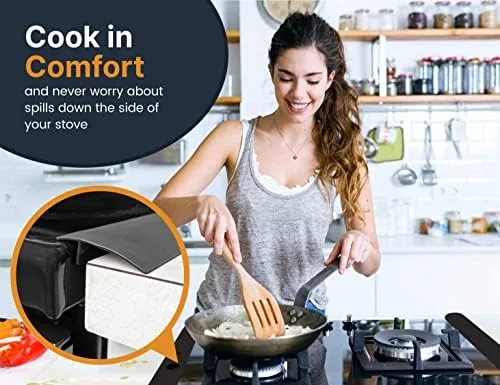
Over a month of cooking, the strips stayed put. They did not shift when I set heavy pots on the counter above them, and they survived the vibration of the oven door slamming and the occasional steam bath from a boiling pot. The seal was not absolutely perfect on the very ends, where my counter bows slightly, but it blocked the overwhelming majority of the mess.
The real test came after a sauce spill. In the past, a simmering pot tipping over meant a puddle sliding into the gap and a sticky cleanup that required a flashlight. With the cover in place, the sauce pooled on the strip, and I lifted it out, rinsed it, and put it back in under a minute. That is the whole value proposition, and it works.
I also pushed the covers in ways the box does not advertise. Hot oil from a splattering pan landed on the strip and wiped straight off once it cooled. A fallen utensil clattered onto the silicone instead of vanishing into the dark, which saved a search under the range. Even a week of cooking left the strips looking clean after a rinse, with no lingering smell and no staining from tomato sauce or turmeric.
The only honest frustration was fitting the strips around a cooktop with a rounded counter edge. The silicone conforms to straight gaps easily but leaves small openings where a corner or a curved edge interrupts the line. It is a minor compromise, not a flaw, and trimming helped on my corner section.
Pros and Cons
Pros:
- Blocks crumbs, spills, and small utensils from falling behind the stove
- Heat resistant silicone handles normal cooking conditions
- Lifts out and rinses clean or goes in the dishwasher
- No adhesive, no tools, and no permanent modification
- Two pack covers both sides of a standard range
Cons:
- Leaves small gaps at rounded corners and curved edges
- Longer strips may need trimming for shorter runs
- Not intended for direct contact with an open burner flame
How It Compares
Set against the other common ways of closing a stove gap, the silicone strip offers the best balance of coverage, cost, and ease of cleaning. The table below lays out the trade offs.
| Feature | Silicone Strips | Metal Gap Guards | Foam Fillers |
|---|---|---|---|
| Heat resistance | High, no open flame | Very high | Moderate, can crumble |
| Cleaning | Rinse or dishwasher | Wipe down | Difficult to clean |
| Installation | Drop in place | Often needs cutting | Peel and stick |
| Conforms to uneven gaps | Good | Poor | Good |
| Longevity | High | High | Low, degrades |
| Price | Low | Moderate | Low |

Metal guards survive higher heat and a direct flame, but they rattle, scratch counters, and do nothing for cleaning convenience. Foam fillers conform well at first and then degrade into crumbly dust. The silicone strips sit between the two on raw heat tolerance and far ahead on every other axis, which matches the general consensus on simple kitchen fixes covered by outlets such as CNET home coverage.
Who Should Buy It
Buy these if food, grease, or small items regularly vanish down the gap beside your stove, or if you have given up on scrubbing the dark strip behind the range. They are an excellent, low cost fix for renters too, because nothing is drilled, glued, or permanently altered.
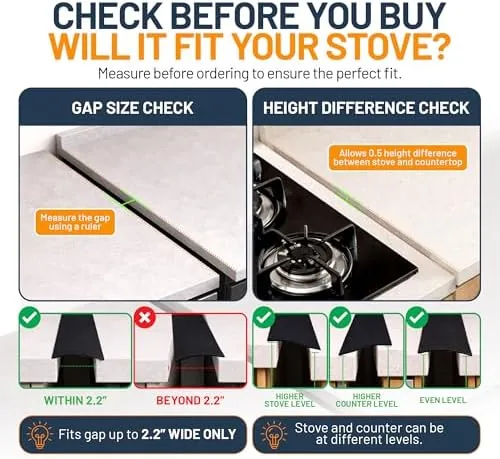
Skip them if your counter runs into a curved corner that a straight strip cannot follow, or if you expect them to sit against an open flame. For a straight gap on a standard range, these are hard to beat at the price. You can check the current price for the Linda’s Essentials stove gap covers on Amazon.
How We Test
I installed the covers on a standard four burner range in a home kitchen and used them through a month of normal cooking, including sauces, boiling, roasting, and a busy holiday weekend. I checked for movement after each cooking session and tested the seal with crumbs and small spills.
I also cleaned the strips repeatedly, both by hand and in the dishwasher, to confirm the material survived regular washing without warping or discoloring. I checked the strips for any softening after long roasting sessions and confirmed they returned to their original shape once cool. I did not test the strips against an open flame, and I would advise anyone against that, because silicone is not flame proof.
You can compare the stove gap cover listing on Amazon with other brands before deciding, and buyer reviews there cover unusual counter shapes well.
Linda’s Essentials Silicone Stove Gap Covers: Questions People Ask
Will the silicone covers melt if the oven gets hot?
The silicone is rated for high heat and handled normal oven and stovetop conditions in my kitchen without softening, but keep the strips away from direct burner flame.
Do the gap covers fit every stove and counter gap?
Each strip is 21 inches long and covers a standard sized gap, though very wide or unusually deep gaps may need trimming or a second strip.
How do I clean the stove gap covers?
They wipe clean with soapy water and most sets are dishwasher safe, which makes cleanup far easier than scraping food out of a dark gap.
Do the covers slide or move while cooking?
The weight and friction of the silicone kept mine in place during a month of cooking, and they did not shift even when pans were placed over them.
As an Amazon Associate, I earn from qualifying purchases.