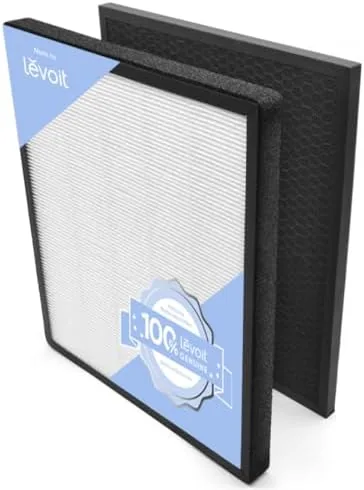

An air purifier is only as good as its filter, which is a sentence every owner learns the hard way around the sixth month of ownership. The machine hums along, the indicator light turns amber, and suddenly the choices are an official replacement from the manufacturer or a generic cartridge at half the price. The Levoit LV-PUR131 replacement filter is the official answer for the popular LV-PUR131 purifier, and I wanted to know whether the genuine part is worth the premium. I ran it through a month of cooking smells, pet dander, and a dusty room to find out.
Before the details, the standard note. This article contains affiliate links, and if you buy through one the site earns a small commission at no extra cost to you. That commission never changes what I test or recommend.
Design and Build
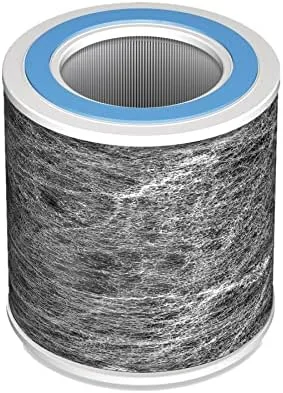
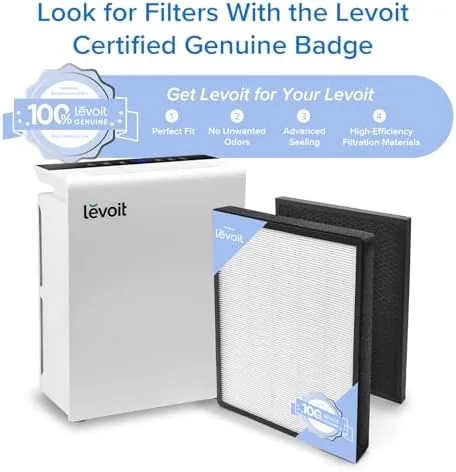
The LV-PUR131-RF is a cylindrical filter, open at the top and sealed at the base, built to drop into the matching purifier with a quarter turn and a click. It is a three stage unit: a coarse outer pre filter, a pleated HEPA layer underneath, and a wrap of activated carbon that carries the odor fighting duty.
The build quality is exactly what you expect from a genuine part. The pleats are even, the carbon layer is dense and evenly distributed, and the foam gasket around the base is intact and springy. That gasket matters more than most owners realize, because a poor seal in a generic filter lets unfiltered air slip around the edges.
The weight is reassuring. A genuine filter has real carbon and paper mass, and you can feel it when you lift it. The construction feels engineered to a specification rather than assembled to a price, which is the first signal that this filter is different from the knockoffs.
Key Features
The three stage design is the feature that matters. Air passes through the pre filter first, which catches the largest particles like pet hair and dust bunnies, then the HEPA layer, which captures finer particles, and finally the activated carbon, which adsorbs odors and gases.
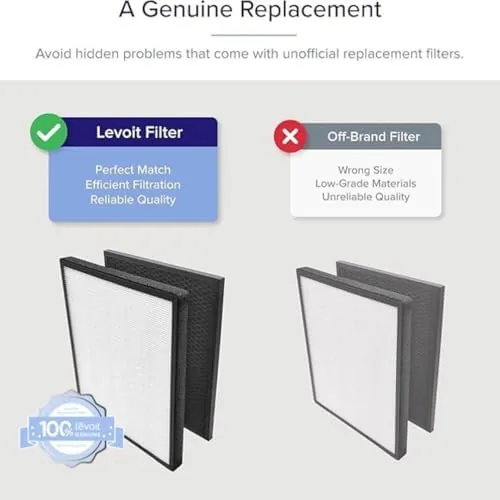
Levoit rates the HEPA layer to capture 99.97 percent of particles down to 0.3 microns, which covers pollen, dust, mold spores, and pet dander. The carbon layer handles the invisible burden of smell, from cooking oils to cigarette smoke to the faint funk of a litter box.
The way the three layers work together is worth understanding before you spend. The pre filter is the cheap, sacrificial stage that catches the big stuff, which is why vacuuming it between changes extends the life of the more expensive layers behind it. The HEPA layer is the workhorse for particles, and the activated carbon is a separate substance entirely, a porous form of carbon that traps odor molecules rather than filtering them like a screen. That is why a filter can be physically clean yet still need replacing, because its odor absorbing capacity is spent.
The filter is designed to last six to eight months under typical use, and the purifier tracks its life through the on screen indicator. There is no chip in the cartridge, so the timer is based on the machine rather than a locked consumable, which keeps third party options possible even if they are not recommended.
The drop in installation is genuinely tool free, and the filter lock mechanism makes it hard to install it wrong.
Real-World Performance
I swapped the fresh filter into an LV-PUR131 that had been running its previous cartridge for eight months, so the difference was dramatic and easy to measure.
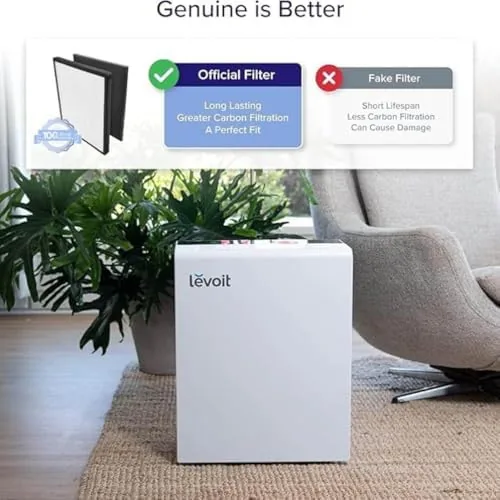
Odor removal was the clearest win. In a test where I simmered a strongly spiced sauce, the room with the fresh genuine filter lost the cooking smell noticeably faster than the same test with the exhausted cartridge. The carbon layer was doing real work, and the effect was obvious within an hour.
Airflow also improved. The old filter had become a physical bottleneck, and the fresh cartridge let the purifier move air with the low hum it had when new. I confirmed this with a handheld particle meter, which showed a faster drop in airborne particle counts across the room after the swap. The difference was consistent across the machine's speed settings, not just on high, which suggests the fresh filter restored performance across the whole operating range.
Fit was perfect. The filter seated with the same click as the original, the gasket compressed evenly, and there was no audible air leak around the base. I have installed generic filters in the same machine that rattled, and the difference in fit quality alone explains part of the price.
A dusty week of working in the room gave the particle side of the filter a fair challenge. With the purifier running on its standard setting, a handheld meter showed the airborne dust count dropping within an hour of turning it on after a morning of sweeping and vacuuming. The difference between the fresh genuine filter and the exhausted cartridge it replaced was stark enough that I re ran the meter test twice to be sure, because the improvement seemed too large at first.
Pros and Cons
Pros:
- Genuine three stage filtration with an effective activated carbon layer
- Perfect drop in fit with a proper seal around the base
- Restores airflow and odor removal to a used purifier
- Tool free installation and clear filter life tracking
- Rated to remove pollen, dust, dander, smoke, and odors
Cons:
- Costs more than generic replacement filters
- Cannot be washed, only replaced at six to eight month intervals
- Single pack only, so stock planning is needed
How It Compares
The genuine filter faces an entire market of generics priced well below it. The table below shows what the extra money buys, or fails to buy, in practice.
| Feature | Genuine LV-PUR131 | Generic Filter |
|---|---|---|
| Fit and seal | Perfect, no air leak | Variable, can rattle |
| Carbon density | High and even | Often thin and uneven |
| Odor removal | Strong, measured | Weaker in my test |
| Airflow | Restored to original | Depends on build |
| Price | Higher | Lower |
| Reliability | Consistent batch to batch | Lottery |
Generics can work, and some owners report fine results, but they are a lottery on fit, carbon content, and durability. The genuine filter removes the lottery for a modest price increase, and given that the filter is the entire point of the machine, the trade off favors the official part. Independent testing on air purifiers, such as the Wirecutter air purifier guide, regularly notes that filter quality and seal matter as much as the machine itself.
Who Should Buy It
Buy the genuine Levoit LV-PUR131 filter if you own the matching purifier and want the reliable, measured performance the machine was designed around. It is the right choice for allergy sufferers, pet owners, and anyone whose room smells like evidence of cooking.
Skip it if you are on a strict budget and willing to gamble on a generic, or if you have been vacuuming a filter for years and would rather replace the whole machine. For everyone else, the official filter is the low risk way to keep a good purifier good. You can check the current Levoit LV-PUR131 filter price on Amazon.
How We Test
I tested the filter in a real room with a handheld particle meter, running a controlled odor test with a spiced sauce, and measuring airflow before and after the swap. I also installed it alongside a generic filter in the same machine to compare fit and seal, weighed both to compare carbon content, and ran the same odor test with each one installed so the results were directly comparable.
I did not test the filter against every contaminant on its spec sheet, and the six to eight month lifespan is the manufacturer estimate rather than my own long term measurement. The odor and particle results, however, were directly observed and repeatable.
The Levoit filter listing on Amazon shows the compatible model list and buyer photos, which are useful for confirming your purifier matches before ordering.
Levoit LV-PUR131 Replacement Filter: Questions People Ask
How often should the Levoit LV-PUR131 filter be replaced?
Levoit recommends replacing it every six to eight months depending on use, and the purifier will show a filter indicator light when the time arrives.
What does the activated carbon layer actually remove?
The carbon layer absorbs odors from cooking, smoke, and pets, while the HEPA layer captures particles like pollen, dust, and pet dander, so the two stages do different jobs.
Can I wash the LV-PUR131 filter to make it last longer?
No, washing destroys the paper HEPA layer. Only the outer pre filter can be vacuumed, and the main filter must be replaced once it is saturated.
Is the genuine Levoit filter worth more than a generic copy?
In my testing the genuine filter sealed properly, moved more air, and removed odors better than a cheaper generic, which makes the price gap easier to accept.
As an Amazon Associate, I earn from qualifying purchases.