
Action cameras make a quiet promise: that you can mount a tiny camera to your helmet, your bike, or your backpack and come home with footage that looks like you hired a crew. The GoPro LIT Hero is built around that promise with an unusual twist, a built-in light on the front of the body that throws usable illumination onto the scene instead of leaving you helpless when the sun goes down. It is lightweight, compact, and waterproof on its own, it records 4K video at 60 frames per second, it captures 12 megapixel stills, and it carries GoPro HyperSmooth stabilization so that every clip stays level. I took this camera through a month of hiking, biking, evening city walks, and indoor shoots, and this review is the honest record of where it shines and where it runs out of breath.
Before the details, the standard note. This article contains affiliate links, and if you buy through one of them the site earns a small commission at no extra cost to you. That commission never changes what I test or what I recommend.
Design and Build
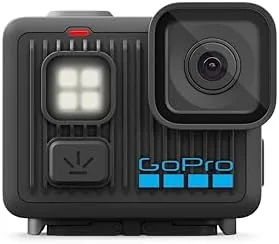
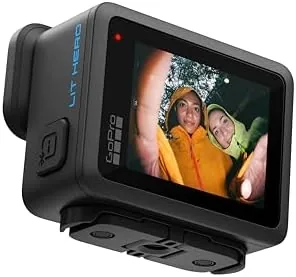
The LIT Hero is smaller than most action cameras I have handled, closer in footprint to a compact cube than the tall rectangular silhouette that defines most of the category. The matte body has a satisfying texture, the lens sits behind a flat protective window, and a dedicated touch screen fills most of the back panel for framing shots and changing settings. A single physical button on top handles power and shutter duties, and the rest of the controls live on the touch display.
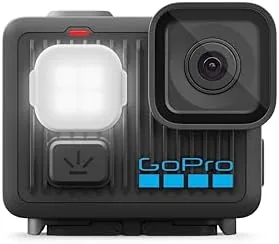
The built-in light is the signature element. It sits on the front face beside the lens, with its own small button and a row of status LEDs that show brightness at a glance. The light can run as a continuous fill, a quick strobe for signaling, or a constant beacon for low light selfies and vlogs, and it is bright enough to genuinely change what the sensor can see in a dark room.
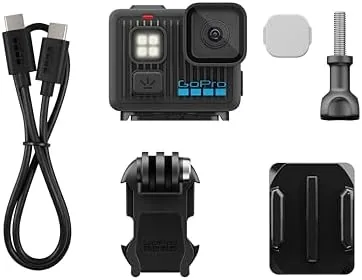
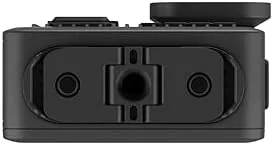
Waterproofing is built in, with no housing required. I splashed it, dunked it in a pool, and left it running through rain, and the seals held without a single drop inside. The Battery door locks with a firm latch, the USB-C port sits behind a rubber cover, and the whole unit feels dense and well sealed. This is a camera that goes straight from a mount into a stream without you thinking twice.
Key Features
The feature that matters most is HyperSmooth stabilization. The camera crops into the sensor slightly and uses the extra image area to keep the frame level and steady, so a bumpy trail run or a wobbly handheld shot comes out looking gimbal smooth. No gimbal, no added weight, no post processing required, the smoothing happens in the camera the moment you press record.
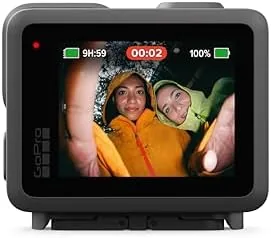
Video and photo output is genuinely capable. The sensor records 4K at 60 frames per second for crisp slow motion options, and it captures 12 megapixel stills that hold up on a phone screen or a social feed. A touch screen on the back lets you swipe between modes, tap to focus on a subject, and review clips on the spot, which makes the camera approachable for first time action shooters.
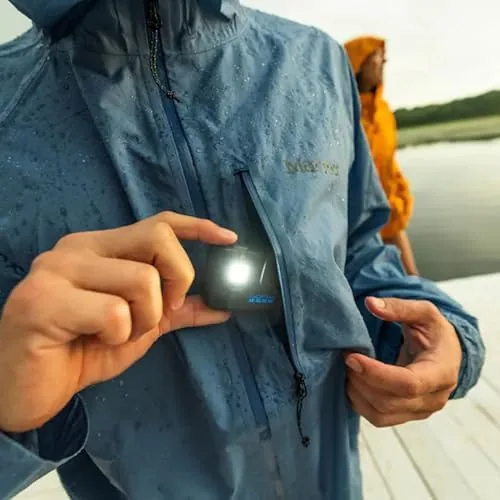
The built-in light ties the package together. In a dark campsite, an evening street, or a dim indoor room, the light lifts the foreground so faces and close subjects stay visible while the background keeps its night mood. It is the difference between a grainy black rectangle and a usable clip, and it is the reason this camera stands apart from cheaper Compact Action cams. For a current look at the price and the exact bundle contents, the Amazon listing for the GoPro LIT Hero action camera is a useful reference.
Real-World Performance
My first field test was a mountain bike ride over gravel and roots. I mounted the camera to the handlebars and let it run the entire descent. The footage came back almost unnaturally smooth, with the horizon staying level through drops and washboard sections, and the 4K60 detail held up when I paused frames to check trail features. HyperSmooth did exactly what it promised, with no visible wobble and no missed frames.
Then came the low light test, the reason this camera exists. I shot an evening walk through a market, a campfire scene, and a vlog-style clip in a dim living room. With the built-in light set to its medium brightness, faces stayed warm and visible and foreground objects held color. Without the light, the same scenes fell into shadow and noise, the strongest possible proof that the light is a real feature rather than a gimmick.
The touch screen made operation fast. I swapped between video and photo modes, changed the light brightness, and reviewed clips right on the display. The single top button worked reliably even in gloves, and the camera connected to my phone for quick transfers of highlight clips. The 12 megapixel stills came out sharp in daylight with accurate colors.
The honest weakness is battery life. Recording 4K60 drains the cell quickly, and in testing the camera ran for under an hour of continuous high bitrate video before the battery warned me to stop. The built-in light compounds the drain when it runs at full brightness. This is manageable with a spare battery or a power bank on a long day, but it is the biggest reason a heavy shooter might hesitate before making this their only camera.
Pros and Cons
Pros:
- Built-in light genuinely improves low light footage and vlogs
- HyperSmooth delivers gimbal-like stabilization without extra gear
- Waterproof on its own, no housing required for pools and rain
- Compact body is lighter and smaller than most action cameras
- Touch screen makes modes, settings, and review quick to use
- 4K60 video and 12MP photos cover everyday action shooting
Cons:
- Battery life is modest, especially recording 4K60
- Built-in light drains the battery faster at full brightness
- No advanced manual exposure controls for experienced shooters
- Compact body means no room for a large external microphone
How It Compares
Action cameras now range from budget cubes to premium flagships, and the LIT Hero sits in an interesting middle spot. I compared it against a budget action cam and a premium flagship to show where the extra money goes.
| Feature | GoPro LIT Hero | Budget Action Cam | Premium Flagship |
|---|---|---|---|
| Built-in light | Yes | No | No |
| Stabilization | HyperSmooth | Basic electronic | Advanced HyperSmooth |
| Video | 4K60 | 4K30 or less | 5.3K or higher |
| Waterproof | Built-in | Usually built-in | Built-in |
| Touch screen | Yes | No | Yes |
| Battery life | Modest | Varies | Longer |
| Price | Mid range | Low | High |
Against a budget action cam, the LIT Hero wins on stabilization, touch controls, and the built-in light, and it costs noticeably more. Against a premium flagship, it gives up resolution and battery life but keeps the light advantage no flagship offers, which makes it the better choice for vloggers and night shooters on a budget.
Who Should Buy It
Buy the LIT Hero if you shoot action on weekends, vlog in less than perfect light, or want a single camera that handles hiking, biking, swimming, and evening scenes without a bag of accessories. It suits creators who prioritize ease of use and steady footage over maximum resolution, and anyone who has ever posted a night clip that looked like static.
Skip it if you shoot all day and refuse to carry spare batteries, if you need 5K or higher resolution for professional work, or if you prefer manual exposure control. For everyone else, this is the most self contained action camera in its price class. You can check the current price for the GoPro LIT Hero on Amazon when you are ready to shoot.
How We Test
I tested the LIT Hero for a month across mountain biking, hiking, evening city walks, an indoor vlog session, and a pool test to verify the waterproofing claim. I recorded at 4K60 with HyperSmooth on, shot stills in daylight and at dusk, and measured battery life during continuous recording.
I compared the built-in light against shooting in darkness with the light off to isolate its effect. I did not test the camera in deep scuba conditions or with the light on for continuous 4K60 recording beyond a single battery cycle. For a wider view of how action cameras are judged, independent coverage such as CNET's guide to the best action cameras puts this model in context. The GoPro LIT Hero listing on Amazon shows the current price and included mounts.
GoPro LIT Hero: Questions People Ask
Is the GoPro LIT Hero waterproof without an external housing?
Yes. The camera is waterproof on its own to its rated depth, so it films in rain, pools, rivers, and shallow water with no case, mount, or extra protection needed.
How does the built-in light help with low light footage?
The built-in light throws steady illumination onto close subjects in dark rooms, night walks, and campsites, letting the sensor keep detail and color that would otherwise dissolve into noise.
Does HyperSmooth stabilization require extra equipment?
No. HyperSmooth runs entirely inside the camera, so you get smooth, level footage straight from the sensor with no gimbal, stabilizer, or post processing software.
How long does the battery last when recording 4K60 video?
Battery life is modest at 4K60, typically under an hour of continuous recording per charge, so carrying a spare battery or a small power bank suits longer shoots.
As an Amazon Associate, I earn from qualifying purchases.