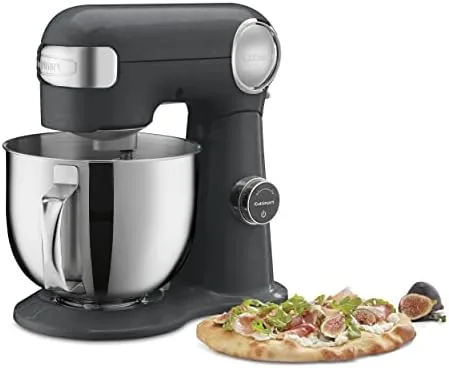

There is a specific moment in bread making when the recipe goes from flour and water to a decision point. The dough comes together, the machine starts to strain, and you either trust the mixer or you end up with a pile of flour on the counter and a hand workout you did not sign up for. A good stand mixer removes that hesitation, and the Cuisinart SMD-50GPH Precision Pro is built to do exactly that with a 5.5 quart bowl, 12 speeds, and three preprogrammed food prep settings that take the guesswork out of mixing, kneading, and whipping. I spent three weeks with the Precision Pro on the counter, working through a week of bread, a birthday cake, cookie dough, and a stubborn batch of whipped cream, to see whether the presets are a gimmick or a genuine kitchen tool.
The standing disclosure applies. This review contains affiliate links, and purchases through them support the site without changing my conclusions. The mixer was bought at retail and used exactly as a reader would use it.
The Precision Pro is a tilt head mixer with a digital preset system, and it competes in the space between the budget mixers and the professional heavyweights. The rest of this review covers the build, the 12 speed dial and presets, the attachments, and how the whole package behaves in a real kitchen.
Design and Build
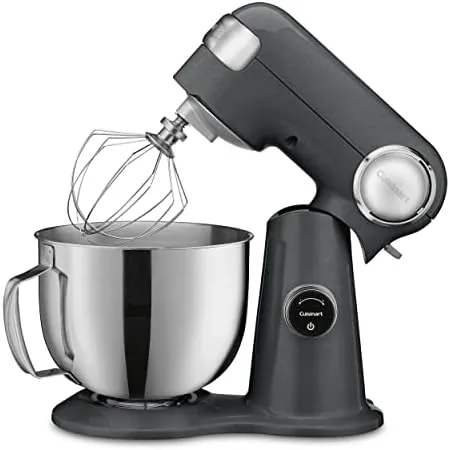
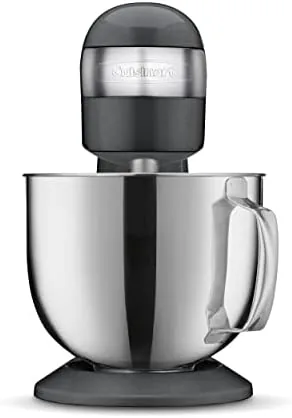
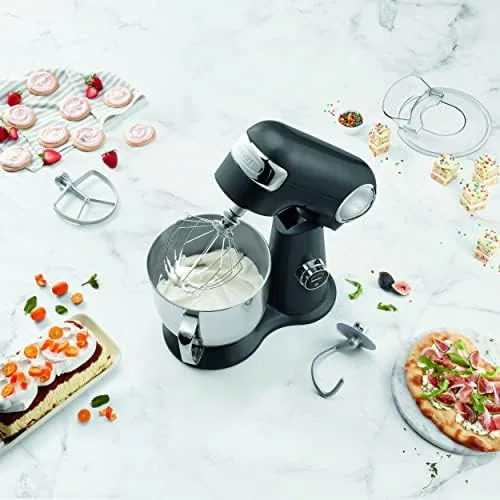
The mixer follows the classic tilt head silhouette: a sturdy base, a bowl that locks into the platform, and a head that tilts back for access. The graphite finish is a deep, flecked gray that looks more expensive than the price, and the metal body has a reassuring weight that keeps the mixer planted during heavy kneading. The 5.5 quart bowl is generous, large enough for a full batch of bread dough without crowding, and the stainless finish is easy to clean.
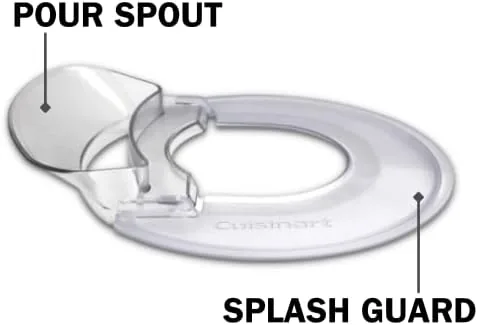
The build quality is the strongest part of the package. The head tilts back with a solid detent, the bowl locks with a positive click, and the attachments, whisk, flat paddle, and dough hook, all seat firmly on the motor shaft. The splash guard fits over the bowl and clips in place, which matters when the mixer is running at speed. For a mixer at this price, the construction feels genuinely solid.
Key Features
The 12 speed dial is the core feature, a smooth digital control that ramps from a gentle stir to a fast whip without any jump between speeds. That range matters for tasks that need precision, like folding in egg whites or whipping cream to the edge of over whipped, and the dial gives the kind of control a cheap two speed mixer simply cannot offer.
The three preprogrammed food prep settings are the differentiator. The mixer offers a preset for mixing, one for kneading, and one for whipping, each running the right speed and timing sequence automatically. Instead of standing over the machine, you select the preset, and the mixer walks through the task. The full accessory set, whisk, flat paddle, dough hook, and splash guard, covers the standard kitchen needs, and the 5.5 quart bowl handles everything from a single cake to a full bread recipe.
Real-World Performance
Bread was the first test, and it was the one that mattered. A two pound loaf recipe went through the knead preset, and the mixer handled the dough with confidence, the head staying steady and the dough hook working the gluten without the machine walking across the counter. The dough came out smooth and elastic, and the knead preset timed itself well enough that I could walk away and set the timer for the rise.
The cake was the second test. A butter cake recipe went through the mix preset, and the paddle folded the batter evenly without overworking it, which is the difference between a light crumb and a dense one. The whipping preset then handled a batch of cream, building to soft peaks without splashing, which is the task that exposes a weak mixer. The Precision Pro earned its keep on all three.
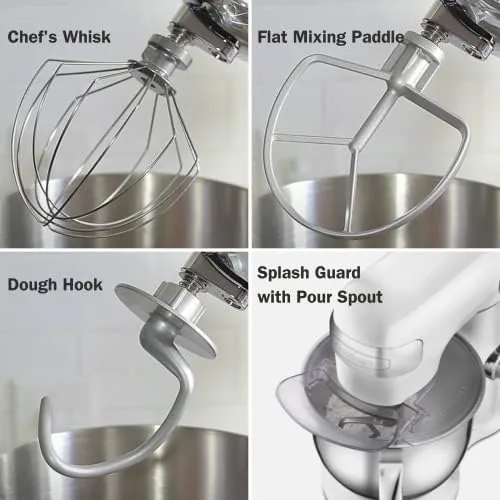
The cookie dough batch was the honest load test. A full batch of a stiff chocolate chip dough is heavier than a cake batter, and the mixer worked through it without straining, the 12 speed dial holding steady at the higher setting. The splash guard did its job, and the whisk produced cloud like cream without spatter on the counter.
The honest limits are the ones the price and the class set. The tilt head design means the bowl is not a commercial lift bowl, and very large batches can crowd the head, though 5.5 quarts covered everything I threw at it. The presets are a convenience, not magic, and a baker who wants total manual control will still use the dial most of the time. And the mixer is heavy, which is good for stability but means it earns its permanent spot on the counter rather than living in the cupboard. The cleaning side of the equation held up well too. The stainless bowl, whisk, and paddle went straight into the dishwasher without tarnishing, and the splash guard wiped clean in seconds. The motor shaft wipes down with a damp cloth, and the digital dial surface resisted fingerprints through the whole test. For a machine that sees daily use, that low maintenance burden matters, because a mixer that is a chore to clean becomes a mixer that stays in the cupboard. The cord is long enough to reach a convenient outlet without an extension, and it tucks into a slot on the base when the mixer is idle, which keeps the counter looking tidy between bakes.
Pros and Cons
Pros:
- 12 speed dial gives genuine control across tasks
- Three presets take the guesswork out of common jobs
- 5.5 quart bowl handles full bread and cake recipes
- Solid metal build stays planted during heavy dough
- Complete attachment set with a useful splash guard
- Easy tilt head access and positive bowl lock
Cons:
- Heavy enough to earn a permanent counter spot
- Presets do not replace manual control
- No lift bowl for very large batches
- Digital controls take a short learning curve
How It Compares
The 5.5 quart mixer class is dominated by KitchenAid, and the Precision Pro lines up directly against it. The table below compares the two.
| Feature | Cuisinart Precision Pro | KitchenAid Artisan 5 | Hamilton Beach 6 Speed |
|---|---|---|---|
| Bowl capacity | 5.5 quart | 5 quart | 4.5 quart |
| Speeds | 12 plus presets | 10 | 6 |
| Presets | Three | None | None |
| Power | 500 watts | 300 watts | 300 watts |
| Head | Tilt | Tilt | Tilt |
| Price | Mid | Higher | Budget |
The KitchenAid Artisan has the brand heritage and the attachment ecosystem, but the Precision Pro matches it on capacity, exceeds it on speed count and power, and adds the preprogrammed settings at a lower price. The Hamilton Beach is the budget fallback with half the speeds and no presets. For the balance of price, power, and convenience, the Cuisinart is the strongest value.
Who Should Buy It
Buy the Cuisinart Precision Pro if you bake bread and cakes regularly, if you want a mixer that handles full batches without complaint, and if the idea of a preset that times the kneading and whipping for you sounds like a genuine time saver. It is an easy recommendation for home bakers moving up from a hand mixer, for families who bake weekly, and for anyone who wants KitchenAid level capacity at a lower price.
Skip it if you need the vast attachment ecosystem of the KitchenAid, or if you bake in commercial volumes that demand a lift bowl. For the home kitchen, the Precision Pro is a serious tool. You can check the current price of the Cuisinart Precision Pro stand mixer on Amazon and compare color options.
How We Test
I used the Precision Pro for three weeks, working through bread dough, a butter cake, a full batch of cookie dough, and a whipped cream task, using both the manual dial and all three presets. I evaluated power under heavy loads, stability, bowl capacity, cleaning ease, and the accuracy of the preset timing.
Results vary with recipe volume and technique, and the presets are designed for standard recipes, so unusual loads will still want manual control. For an independent look at stand mixer comparisons, Wirecutter has a well researched guide to the best stand mixers that is worth reading alongside this review. The Cuisinart Precision Pro listing on Amazon shows the current price and available finishes.
Cuisinart Precision Pro Stand Mixer: Questions People Ask
What are the three preprogrammed settings on the Precision Pro?
The digital preset modes handle mixing, kneading, and whipping, so the mixer runs the right speed and timing automatically for the task you select.
Is 5.5 quarts big enough for bread dough?
Yes, the 5.5 quart bowl holds a two pound loaf recipe comfortably, and the dough hook handles firm bread dough without the motor straining.
What comes in the box with the stand mixer?
The box includes the 5.5 quart mixing bowl, a whisk, a flat mixing paddle, a dough hook, a splash guard, and the power base with tilt head.
How does the 12 speed dial work?
The mixer has a smooth 12 speed dial plus a fold speed, so you can ramp up from gentle stirring to fast whipping with a simple turn.
As an Amazon Associate, I earn from qualifying purchases.