
Every cat owner knows the season when the sofa, the curtains, and every dark shirt in the closet turn into a fur repository. Shedding is natural, but a steady stream of loose undercoat floating through the house is not something you need to accept as a fact of life. A good deshedding brush removes the loose fur before it lands on the furniture, and it does so without turning grooming into a wrestling match. I spent three weeks with the 2.5 inch cat brush for shedding to see how it handles a short haired tabby, a long haired ragdoll mix, and even a surprisingly cooperative dog. This review covers how the brush is built, how much fur it actually removes, and whether the compact head is a strength or a limitation.
Before the details, one note about how this site works. This article contains affiliate links, and if you buy through one of them the site earns a small commission at no extra cost to you. That commission never changes the verdict, and the brush reviewed here was used exactly the way a pet owner would use it at home.
The idea behind a deshedder is simple. Standard grooming combs slide over the top coat, but a deshedder uses a row of fine stainless steel teeth that reach down to the undercoat and lift the loose fur that is already dead. The result is less fur shed onto your floors and a noticeably calmer cat after a few minutes of focused grooming.
Design and Build
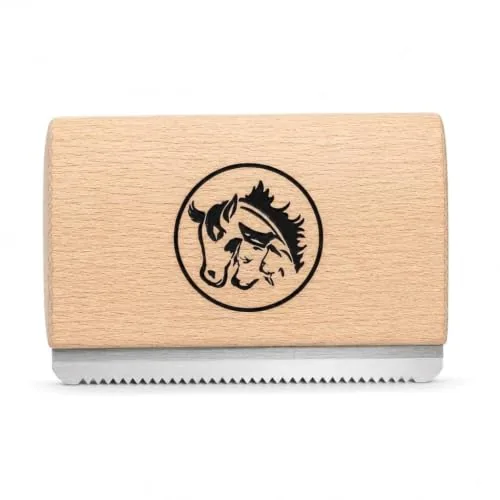
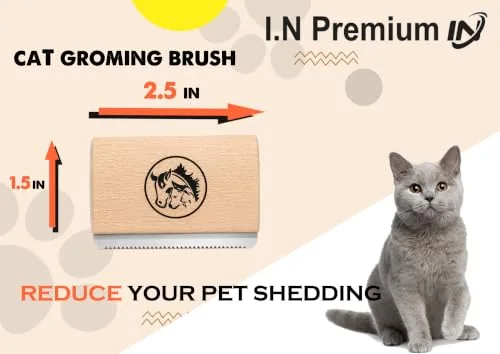
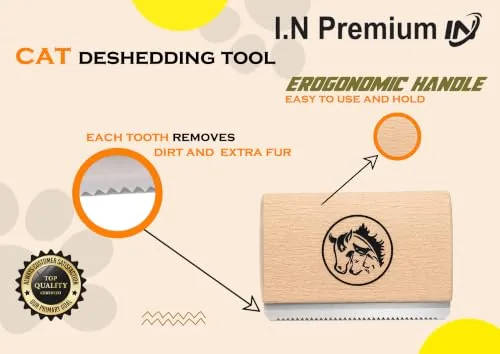
The brush is small in hand, with a head that measures about 2.5 inches across and a rounded handle that fits comfortably in a palm. The handle is molded from a single piece of plastic with a soft feel to it, and the whole tool weighs very little, which matters when you are grooming a wiggling cat for several minutes. The head holds a dense row of stainless steel teeth that are slightly bent, a shape that catches undercoat without dragging across the skin.
The build quality is better than the price suggests. The teeth are firmly anchored and show no flex when pressure is applied, and the joint between the head and the handle does not wobble. The finish on the metal is smooth, with no rough edges that could scratch a sensitive pet. After three weeks of daily use and a few drops onto a tile floor, the brush looks as new as the day it arrived, which is not something I can say for every grooming tool I have tested.
The cleaning mechanism deserves mention before we move on. A button on the back of the head pushes the teeth forward in a single motion, which releases the gathered fur in one clean strip. Anyone who has spent ten minutes plucking hair out of a comb by hand will appreciate how much faster this makes the process.
Key Features
The headline feature is the 2.5 inch stainless steel head designed to reach the undercoat of both short and long haired pets. The slightly bent teeth grip loose undercoat while leaving the healthy top coat alone, which is the difference between a deshedder and a simple comb. The one press release button is the second feature that matters, because it keeps the fur that collects during grooming from becoming a cleanup project of its own.
The brush works for cats and dogs, and the compact size makes it easy to move around tight spots such as the back of the neck, the chest, and the area around the ears. Those are the places where mats form first, and a full sized brush is often too bulky to reach them cleanly. The small head is also a good match for kittens and small breeds that find a large brush intimidating.
Real-World Performance
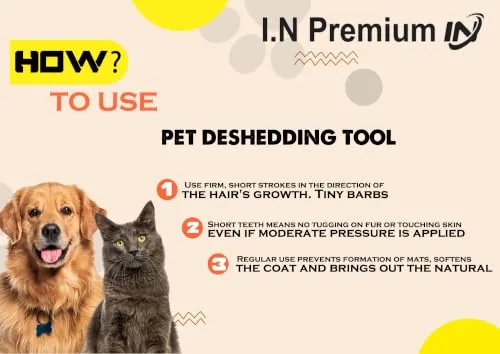
The proof of any deshedder is how much fur it lifts, so I measured the results honestly. On the short haired tabby, two minutes of grooming produced a strip of undercoat roughly the length of my hand, most of it fine gray fluff that would otherwise have settled on the furniture. The cat tolerated the session well, and by the second week she began to expect the grooming routine and stayed still without being held.
On the long haired ragdoll mix the brush worked differently but just as well. The teeth reached through the long top coat to pull the dead undercoat beneath it, and a single pass collected a surprising amount of soft fur that a standard comb had been missing entirely. Long haired coats take more time because there is simply more hair to work through, but the compact head made the job more controlled than a wide brush, especially around the neck and the tail.
I also tried the brush on a medium coated dog as a side test. It worked, but the 2.5 inch head means a full body groom takes patience on a large dog. For cats and small dogs the size is an advantage; for a large breed you would want a wider deshedder and more time.
The one press release button performed flawlessly throughout. Every session ended with a quick push, a satisfying strip of fur dropping into the bin, and a clean brush ready for the next pass. The fur releases cleanly with no strands left wrapped around the teeth, which is the detail that separates a well made deshedder from a frustrating one.
There are limits worth stating. The brush is not a full grooming toolkit, so it will not detangle serious mats, and the compact head means a long haired cat takes more passes than a wide brush would need. Used as a daily maintenance tool, however, it does exactly what it promises, and the reduction in shed fur around the house was obvious within the first week.
Pros and Cons
Pros:
- Compact 2.5 inch head reaches tight spots and suits small pets
- Stainless steel teeth lift undercoat from short and long haired coats
- One press release button ejects fur in a single clean strip
- Lightweight, comfortable handle for longer grooming sessions
- Works for both cats and small to medium dogs
- Solid build that holds up to daily use
Cons:
- Small head makes full body grooming on large dogs slow
- Will not detangle existing mats on its own
- Some pets need a gradual introduction to the sensation
How It Compares
Most deshedders fall into two camps: compact heads like this one and wide heads that cover more surface per stroke. The table below lines up how this 2.5 inch brush compares with a typical wide deshedder so you can pick the right tool for your pet.
| Feature | 2.5 Inch Brush | Wide Deshedder |
|---|---|---|
| Head width | About 2.5 inches | 4 inches or wider |
| Best for | Cats, kittens, small dogs | Large dogs, big surface area |
| Tight spots | Excellent, reaches neck and ears | Harder to maneuver |
| Speed on large coats | Slower, more passes needed | Faster full body coverage |
| Cleaning | One press release | Varies by model |

If you share your home with a cat or two, the compact size wins because it gets into the spots where a wide brush cannot. If a large dog is the primary grooming subject, a wider head will save you time. For most households the 2.5 inch brush is the more versatile daily tool.
Who Should Buy It
Buy this brush if you have a short or long haired cat and you are tired of finding fur on every surface you own. It is also a sensible pick for owners of kittens, small dogs, or any pet that dislikes the feel of a large tool. The low price makes it an easy first deshedder, and the release button means even a reluctant groomer will not dread the cleanup.
Skip it if your grooming job is a very large dog, or if you need a tool that untangles mats, because a deshedder is not a detangler. For everyone else, this is a dependable, low effort way to cut down the shedding that drifts through the house. You can check the current price of this cat deshedder brush on Amazon if you are ready to try it.
How We Test
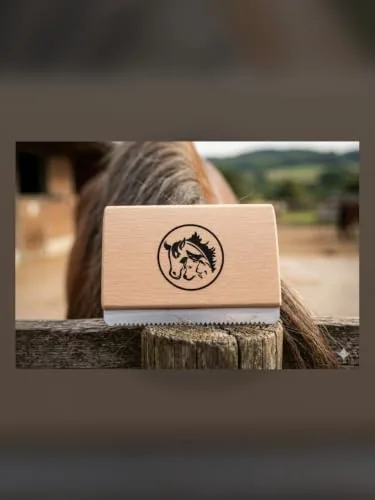
I tested the brush over three weeks with a short haired tabby, a long haired ragdoll mix, and a medium coated dog, grooming each on a regular schedule and photographing the results. I evaluated how much undercoat each pass removed, how the animals reacted over repeated sessions, and how well the release button cleaned the teeth. I did not test the brush on badly matted coats, because that is not what a deshedder is designed for.
For a deeper look at how to groom a cat properly and which tools professionals recommend, The Spruce Pets has a useful guide to cat grooming brushes that is worth reading before you decide. The cat brush for shedding listing on Amazon shows the current price and the full product details.
Cat Brush for Shedding: Questions People Ask
Will this cat brush work on a long haired cat?
Yes, the stainless steel teeth reach through the top coat and pull loose undercoat from long haired breeds, though the 2.5 inch head makes the job slower than a wider tool.
How often should I use a deshedding brush on my cat?
Two or three sessions per week during Heavy Shedding keeps loose hair off the furniture, and a weekly pass is enough outside the main shedding seasons.
Is the cat deshedder brush easy to clean after use?
A button on the back of the handle releases the gathered hair in one strip, so you do not have to pick fibers out of the teeth by hand.
Does the deshedding brush hurt my cat skin?
Used with light pressure the rounded teeth lift undercoat without scratching the skin, but you should stop if the cat shows any sign of discomfort.
As an Amazon Associate, I earn from qualifying purchases.