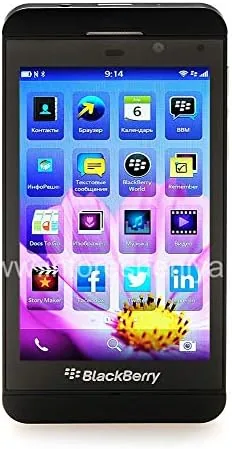

Every technology story has a turning point where a company bets everything on a single device, and for BlackBerry that device was the Z10. Launched in early 2013, it was the first smartphone built entirely around BlackBerry 10, a ground up operating system designed to compete with a world that had already moved to touchscreens. The gamble did not go the way the company hoped, but the phone itself remains a fascinating artifact, and for collectors it is a piece of history you can still hold in your hand. I spent time with the unlocked Z10 to judge the operating system, the hardware, and what the device offers to a buyer in the present day.
Before the details, the standard note. This article contains affiliate links, and if you buy through one of them the site earns a small commission at no extra cost to you. That commission does not shape my testing or my verdict, because the Z10 is judged on what it does today, not on the story surrounding its release.
Design and Build
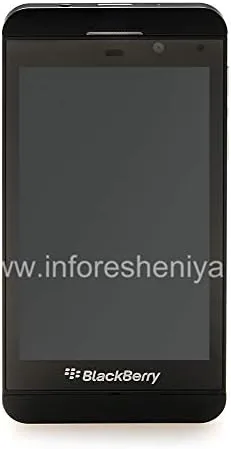
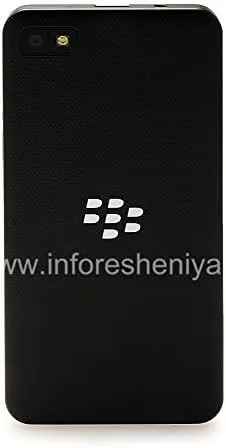
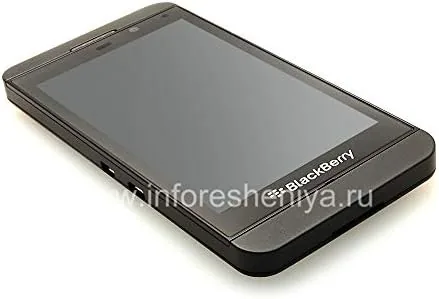
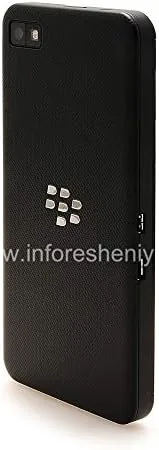
The Z10 is a departure from the BlackBerry of old, swapping the iconic keyboard for a full touchscreen, and the result is a phone that felt modern for its time. The body is a rounded slab with a textured back panel that grips the hand, and the materials feel solid rather than cheap, with none of the flex that plagued budget contemporaries.
The standout design decision is the removable back and battery. The rear panel pops off cleanly, giving access to a user swappable battery and the micro SIM and microSD slots. That kind of user serviceability is a feature almost every modern phone has abandoned, and it is genuinely pleasant to handle again.
The 4.2 inch display carries a 1280 by 768 resolution, which worked out to a sharp pixel density for its era. It is an LCD panel rather than the AMOLED screens that dominated the flagship race, but colors are reasonable and the screen reads clearly in most lighting. The build is compact by modern standards, which makes the Z10 easy to hold and operate one handed. The attention to physical detail is visible throughout. The power button sits on the top edge where the thumb finds it naturally, the volume rocker and the small convenience key fall under the right fingers, and the speaker grille is set into the back rather than hidden along the bottom, which keeps the sound from being muffled by a desk. The micro USB port and micro HDMI output on the side give the phone a wired connection path to a television or a computer, a feature that has all but vanished from modern handsets. These are the small choices that show the Z10 was engineered as a serious tool for mobile work, not as a disposable slab, and that engineering intent is part of why the phone still feels considered in the hand today.
Key Features
The defining feature is BlackBerry 10 itself, the operating system that carries gestures instead of buttons. The home screen is the Hub, a single stream that gathers email, messages, social notifications, and calls into one chronological feed, which was BlackBerry 10 answering a real complaint about juggling separate apps.
Gesture navigation replaces the traditional keys. Swiping up wakes the phone, swiping from the bottom edge brings the active app down, and swiping across returns to the Hub. It takes a day to unlearn old habits, but the flow becomes natural, and the multitasking view shows all running apps as live cards that you can flick away.
The hardware underneath is a dual core processor with 2 GB of RAM, which was a respectable package in 2013. Storage is 16 GB, expandable through the microSD slot, and the rear camera is an 8 megapixel unit with 1080p video recording. For its day, the Z10 was a genuine flagship attempt, and the specification sheet reads like one.
Real-World Performance
Testing the Z10 in the present day is an exercise in honest expectations, because the phone is more than a decade old. The operating system is the star, and it still runs smoothly for the basic tasks it was designed for. Swiping between apps, reading email in the Hub, and browsing the web all work without the crawling frustration you might expect from aged hardware.
The camera is where the age shows most clearly. The 8 megapixel rear sensor takes decent photos in good light, but low light shots get noisy quickly, and the camera app lacks the processing tricks that modern phones use to rescue dark scenes. It is a serviceable camera for daylight snapshots and little more, which is a fair description of every 2013 flagship.
Battery life is a pleasant surprise. The 1800 mAh cell delivers a full day of moderate use, and because the battery is removable, a spare battery turns the phone into a device that never needs to be tethered to a wall. That is a real practical advantage that no current flagship can match. Productivity is where the Z10 still shines as a personality piece. The physical keyboard that defined the brand is gone, but BlackBerry 10 kept the software that made the brand famous, most notably in how it handles email. Multiple accounts feed into the single Hub, message threading is clean, and the gesture to bring up the Hub from any app is fast enough that checking mail feels effortless rather than a chore. Calendar, contacts, and reminders all connect into the same unified view, and the phone wakes and unlocks almost instantly, so the daily workflow of a professional user from its era is intact and still functional.
The biggest modern limitation is the app ecosystem. The BlackBerry 10 compatibility layer could run many Android apps in its prime, but app stores have moved on, and current app versions are simply not built for this operating system. If your life depends on modern banking, ride sharing, or streaming apps, the Z10 is not a daily driver, and it would be dishonest to suggest otherwise.
Pros and Cons
Pros:
- Removable battery and expandable microSD storage
- Gesture driven operating system is genuinely distinct
- The Hub unifies messages across every service
- Compact design that works well one handed
- Solid build quality for the era
Cons:
- Modern app support is essentially gone
- Camera performance shows its age in low light
- Processor struggles with heavier web pages
- Carrier band support may not match modern networks
How It Compares
The fair comparison for a phone like the Z10 is against the two phones it competed with in its prime, the iPhone 5 and the Samsung Galaxy S4, because all three chased the same 2013 buyer.
| Feature | BlackBerry Z10 | iPhone 5 | Samsung Galaxy S4 |
|---|---|---|---|
| Operating system | BlackBerry 10 | iOS 6 | Android 4.2 |
| Display | 4.2 inch LCD | 4 inch LCD | 5 inch AMOLED |
| Rear camera | 8 megapixel | 8 megapixel | 13 megapixel |
| Battery | Removable 1800 mAh | Sealed | Removable |
| Modern app support | Minimal | Full through App Store | Full through Play Store |
On paper the Z10 holds its own in hardware terms, but the comparison collapses on the app ecosystem. iOS and Android kept their stores alive and growing, while BlackBerry 10 faded, which is the single fact that decides the modern usefulness of each device. As a collector piece the Z10 is the most interesting of the three, precisely because it lost the war.
Who Should Buy It
Buy the Z10 if you are a collector, a BlackBerry fan, or someone who wants a working example of the touchscreen era that closed the company story. It also appeals to anyone who values a removable battery and expandable storage as a fun secondary device, and it makes a dependable offline media player or email companion.
Skip it if you need a daily driver for modern apps, if you expect a capable camera, or if you want reliable carrier support for current networks. For the enthusiast with realistic expectations, the Z10 is a fascinating piece of hardware that still runs. You can check the current BlackBerry Z10 price on Amazon if the idea appeals to you.
How We Test
I tested the Z10 across a week of real use, running the Hub for email and messages, browsing the web, taking photos in daylight and low light, and checking battery life through full days of moderate activity. I verified the removable battery and microSD expansion in practice, and I attempted to install a range of apps to map the limits of the modern ecosystem.
For historical context on BlackBerry 10 and the device era it belonged to, long form coverage from outlets such as The Verge documents the launch and the platform decline with far more detail than a single review can.
The BlackBerry Z10 listing on Amazon shows the current price and condition options before you decide.
BlackBerry Z10: Questions People Ask
Does the Z10 work with modern carrier networks?
The unlocked phone carries 4G LTE support, but network compatibility depends on the bands used by your carrier and the current state of the device software.
Can the Z10 run Android apps?
BlackBerry 10 included a compatibility layer that ran many Android apps, though modern apps have largely moved past that support.
How long does the battery last?
The 1800 mAh removable battery delivers about a day of moderate use, and the removable design lets you carry a spare.
Can the battery be removed?
Yes, the back panel comes off and the battery slides out, which is a rare feature on modern phones.
As an Amazon Associate, I earn from qualifying purchases.