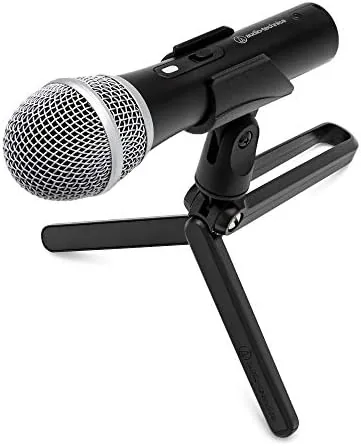

There is a moment in the life of every podcaster when they realize the headset microphone is not good enough. The sound is thin, the room echo creeps in, and the whole thing sounds like a phone call. The usual advice is to buy a USB microphone, but the market is crowded with options that cost anywhere from thirty dollars to three hundred, and picking wrong is expensive. The Audio-Technica ATR2100X-USB sits at the smart end of that market, a cardioid dynamic microphone that has become a running recommendation in podcasting circles for years, and I spent two weeks recording with it to find out whether it still deserves that reputation.
Before the details, the standard note. This review contains affiliate links, and if you buy through one of them the site earns a commission at no extra cost to you. That commission does not influence my verdict, and the microphone I tested was treated exactly like a retail purchase.
Design and Build
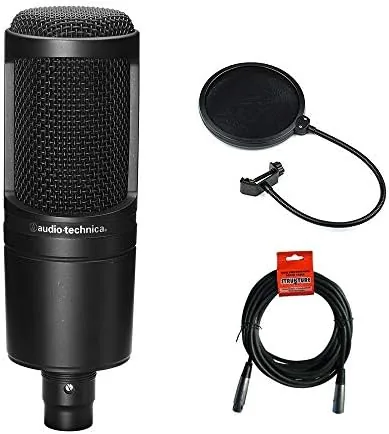
The ATR2100X looks like what it is: a professional dynamic microphone built to survive the road and the studio. It has a matte black metal body with a rugged grille over the capsule, and it feels reassuringly solid in the hand. This is not a fragile desktop toy, and the metal construction gives it a durability that cheap plastic mics cannot match.
At the base, the microphone terminates in both a USB port and an XLR output, and that dual connectivity is the defining feature of this model. The USB side lets you plug straight into a computer, while the XLR side connects to a traditional audio interface or mixer for a more serious studio setup. The three pin XLR connection also allows the microphone to be used with a phantom power supply, giving it a future path if you ever upgrade your recording chain.
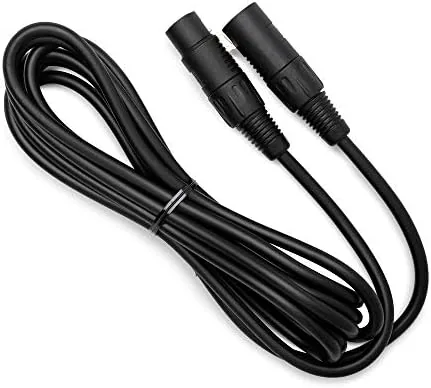
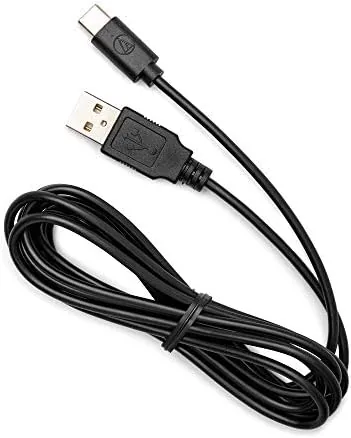
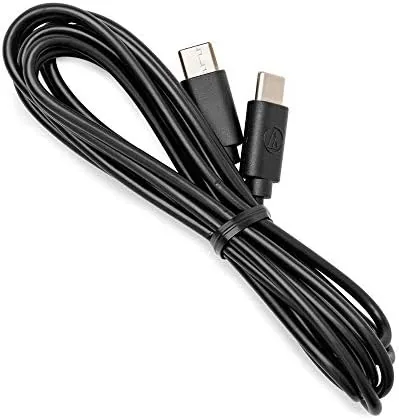
Included accessories cover the basics: a sturdy table stand with a threaded base, a separate tripod for placement flexibility, USB and XLR cables, and a foam windscreen that slips over the grille. The box is genuinely complete, which is rare in this category where many mics ship without the cables you actually need.
Key Features
The ATR2100X uses a cardioid pickup pattern, which means it captures sound primarily from the front and rejects noise from the sides and rear. For a podcast or a video call, that is exactly what you want, because it ignores the room around you and focuses on your voice. It is the reason this microphone sounds so much better than a headset mic in an untreated room.
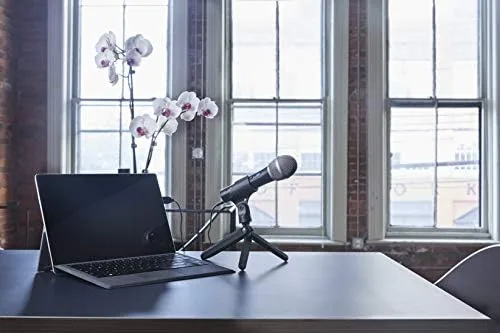
It is also a dynamic microphone rather than a condenser, which is a meaningful distinction for beginners. Condenser mics are more sensitive and pick up every room sound, which is great in a treated studio and terrible in a home office. Dynamic mics like this one are less sensitive, reject ambient noise better, and handle close speaking with a warm, natural tone, which makes them the standard choice for podcasting and voice work.
On the USB side, the microphone plugs into a computer and is recognized as an audio device with no driver installation, and it includes a headphone output on the bottom with its own volume control for zero latency monitoring. That monitoring feature is important for podcasting, because you hear yourself in real time rather than a delayed version, and the volume dial on the side of the mic makes quick adjustments painless.
Real-World Performance
I recorded with the ATR2100X-USB on a Windows PC, a laptop, and a tablet setup across two weeks, using it for podcast sessions, voice work, and video calls. On every device the plug and play experience was flawless: I connected the USB cable, selected the microphone in the operating system, and was recording within a minute with no drivers and no troubleshooting.
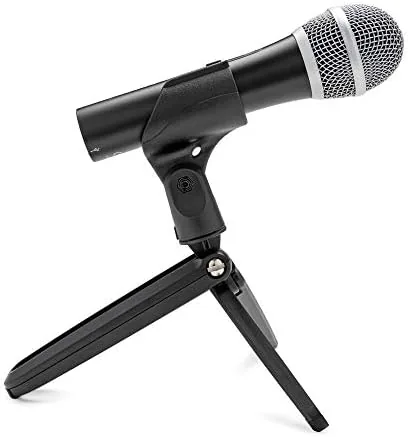
The sound quality is where the microphone earns its reputation. Voice recordings come out warm, clear, and close, with a professional broadcast character that is immediately more pleasing than a headset mic. The cardioid pattern did real work in my home office, which has hardwood floors and a window facing a quiet street: the microphone ignored the room echo and captured only my voice, and plosives like P and B sounds were handled well even before I added the foam windscreen.
The zero latency headphone monitoring was a genuine pleasure during podcast sessions. I could hear myself clearly in real time, adjust the volume with the side dial, and never experienced the echo or delay that plagues cheaper setups. When I tested the XLR output through an audio interface, the microphone performed equally well, which confirms that the dual connectivity is not a gimmick but a real upgrade path.
The one thing to remember with a dynamic mic is that you must work the microphone. Dynamic capsules need the source to be reasonably close, so you position the grille a few inches from your mouth and speak with intention. When I first set up a test from a couple of feet away the level dropped noticeably, which is normal and expected for this type of microphone, and once I moved it into position the recording quality was excellent.
Pros and Cons
Pros:
- USB and XLR outputs in one affordable microphone
- Warm dynamic sound that flatters the human voice
- Cardioid pattern rejects room echo and background noise
- Zero latency headphone monitoring with a volume dial
- Complete kit with stands, cables, and windscreen in the box
Cons:
- Must be kept close to the mouth for best level
- No built in gain control on the USB side
- Table stand is functional but not premium
- Less sensitive than a condenser for quiet sources
How It Compares
To give the ATR2100X context, I compared it against two common alternatives: a cheap USB condenser mic that many beginners buy first, and a premium USB mic that costs several times as much.
| Feature | ATR2100X-USB | Budget USB Condenser | Premium USB Mic |
|---|---|---|---|
| Microphone type | Dynamic cardioid | Condenser cardioid | Condenser cardioid |
| Outputs | USB and XLR | USB only | USB and XLR |
| Room noise rejection | Excellent | Poor to fair | Poor to fair |
| Headphone monitoring | Yes, zero latency | Often yes | Yes |
| Included accessories | Stands, cables, windscreen | Minimal | Varies |
| Typical price | Very reasonable | Low | High |
The comparison shows why the ATR2100X is such a common recommendation. Against a cheap condenser mic, it loses on raw price but wins on sound quality in real rooms, because the dynamic cardioid design rejects the echo that plagues condenser mics in untreated spaces. Against a premium mic, it gives up a little refinement and extra features, but it keeps the crucial dual outputs and delivers a sound that is 90 percent of the way there for a fraction of the cost.
Who Should Buy It
The ATR2100X-USB is for podcasters and content creators who want a professional sounding voice track without spending professional money. If you are starting a podcast, recording voice overs, or running regular video calls, this microphone will make you sound like you upgraded your whole setup. It is also a smart choice for people who plan to grow, because the XLR output means it can join a proper audio interface later without being replaced.
Skip it if you need to record loud sources like guitar amps, where a condenser or a different dynamic design might suit the job better, or if you want a microphone that works several feet away from your mouth. For spoken word, this is one of the best values in audio. You can check the current price of the Audio-Technica ATR2100X-USB on Amazon when you are ready.
How We Test
I tested the ATR2100X-USB across two weeks of real recording work. I recorded podcast style conversations on a Windows PC, used it for voice sessions on a laptop, and connected it through an audio interface to verify the XLR output. I listened back on studio monitors and consumer headphones to judge the sound honestly.
I tested the zero latency monitoring with the built in headphone output, checked the cardioid pattern by recording with background noise present, and used the foam windscreen for plosive testing. I did not run frequency response graphs, because how the microphone sounds in a real room is what matters for podcasting. Independent coverage such as Wirecutter best USB microphones offers a useful long term view of this category.
The Audio-Technica ATR2100X-USB listing on Amazon shows the current price and what is included in the box.
Audio-Technica ATR2100X-USB: Questions People Ask
Does the ATR2100X-USB work with phones and tablets?
It works with many devices through an appropriate adapter cable, though USB-C devices need the right cable and not all phones supply enough power.
Why choose a dynamic microphone for podcasting?
A dynamic mic rejects room echo and background noise far better than a condenser, which is ideal for untreated rooms and multiple speakers.
Can I use the XLR output and USB at the same time?
The mic supports simultaneous USB and XLR output, so you can record to a computer and an audio interface at the same time.
What is in the box?
It ships with the microphone, a table stand, a tripod stand, USB and XLR cables, and a foam windscreen.
As an Amazon Associate, I earn from qualifying purchases.