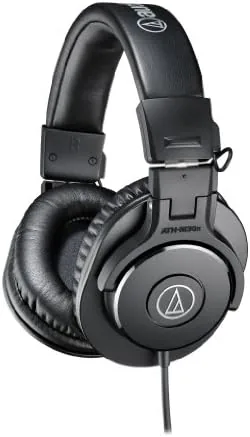

Studio Headphones have a way of pricing themselves out of reach for the beginner. The Audio-Technica ATH-M30x makes the case for starting here instead, a wired closed back headphone built for tracking, mixing, and everyday listening, at a price that does not ask for much. This review is the record of a few weeks living with it, and the honest headline is that it trades some fine detail for a stable, well built balance that most listeners will genuinely enjoy.
Before the details, the standard note. This article contains affiliate links, and if you buy through one of them the site earns a small commission at no extra cost to you. That commission does not change what I test or what I write, and I spent my own listening hours on these cans before putting a single verdict down.
Design and Build
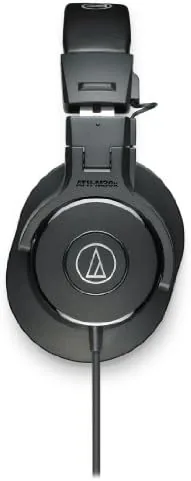
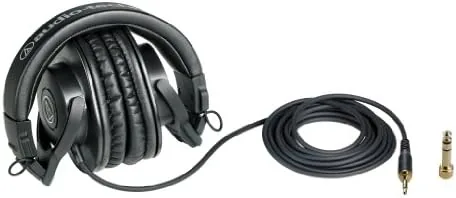
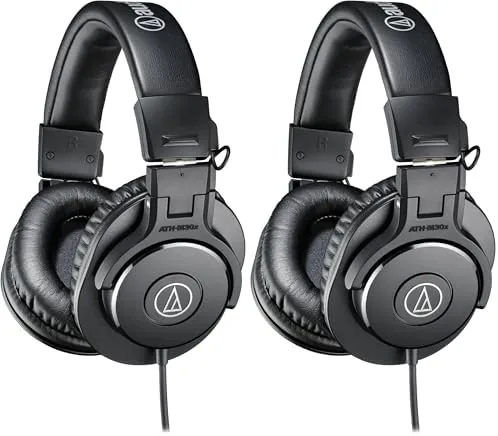
The M30x follows the generous, no fuss design language shared across the whole M series. The ear cups are closed with a black body and a metal bracket that feels steadier than the glossier plastic on its siblings. It is not a luxury object, it is a work headphone, and it wears that identity with quiet confidence.
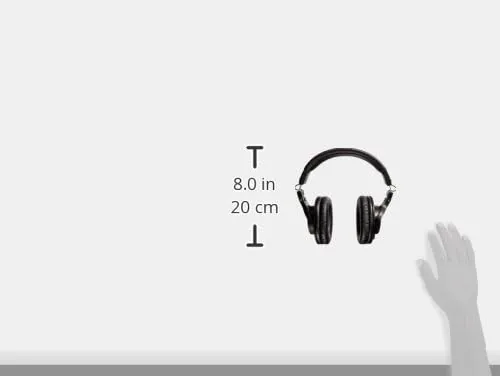
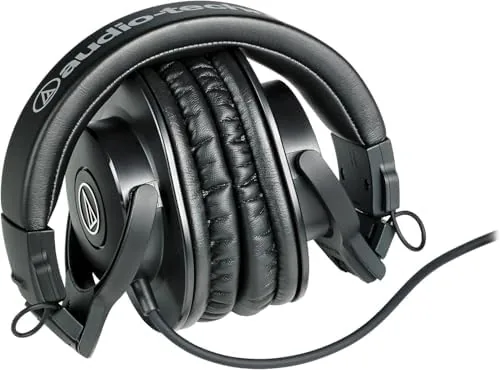
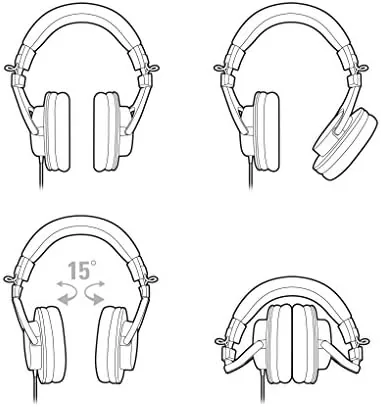
The clamping force is snug, a little firm for some, and that firm hold is exactly why they stay put during a tracking session when you lean toward a microphone. The ear cups rotate to lie flat, though not into a tight folded ball the way a collapsible headphone would, which is perfectly fine for a desk headphone.
A single lightweight wire runs down from the left cup, a design kept simple so there are fewer joints to stress over the years. The whole headphone is light enough for long wear, and the ear pads, while not the plush cushions of the M50x, are firm but comfortable for a couple of hours at a stretch.
Key Features
Under the cups sit 40 millimeter drivers in a closed back shell, and that closed back does a job beyond sealing the ear. It cuts the sound leaking out and helps block some noise leaking in, which is why the M30x is such a steady partner for recording a voice. You hear your own input, not the bleed echoing around the room.
The tuning is fairly neutral and balanced, built for reference rather than ear candy. The aim is not to flatter the bass so much as to let you hear what is in the source, and in the Podcast and entry audio world that neutrality is the real draw. There is no Bluetooth, no active cancellation, and no companion app, because a monitor headphone is meant to be honest, and honest here means wired.
It connects with a single non detachable cable, small in profile, and built for the plug and unplug of a daily chair. Those are the features, and they are unflashy, yet they cover the ground exactly as a beginner needs from a monitor.
Real-World Performance
In practice the M30x is a trustworthy, calm performer, not spectacular, but never the part of a session that lets you down. When I pressed record on a spoken voice, the mids came through clear and forward enough to judge tone; sibilance stayed in reasonable check, and the low end did not cloud the voice.
For music it walks a middle line. The bass is present and clean but not chest thumping, and the treble is smooth rather than sparkly. What stands out is the balance. Nothing lurches to the front of the mix, and that evenness, which is hard to put on a spec sheet, is what sells the headphone in a live session. You can hear what is actually in the recording instead of what the drivers want to flatter.
Comfort held up across a two hour recording block. The clamp is present but not punishing, the pads hold their shape enough to take the edge off the ear cups, and the low weight means I never reached to take them off out of fatigue. They sat on my head the way a familiar pair of shoes eventually sits on your feet, present enough to notice, comfortable enough to forget.
The one shortcoming is a pinch of refinement. The very fine air of the treble is rolled, so the sharpest top detail goes slightly hidden, and the ear pads are a touch firm early on. Neither is a problem for a starter, but it is a trait worth knowing before you buy.
Pros and Cons
Pros:
- Flat, balanced tuning well suited to voice work
- Closed back keeps sound in for clean tracking
- Light and sturdy with a fold flat design
- Comfortable enough for longer sessions
- Very good value at the entry price
Cons:
- Very top end treble is a little rolled off
- Clamp feels firm and pads are stiff at first
- Fixed non detachable cable, so no easy swap
How It Compares
The M30x does not have to travel far to meet its closest family relative, the ATH-M40x, or its flagship sibling the M50x. Price, detail, comfort, and tuning all climb across the line, and picking the right one is about where your budget falls rather than which is correct.
| Spec | ATH-M30x | ATH-M40x |
|---|---|---|
| Driver size | 40 mm | 40 mm |
| Shell | Closed back | Closed back |
| Cable | Fixed single | Detachable |
| Tuning | Balanced, neutral | Flatter, reference |
| Price | Lowest tier | Mid tier value |
If you want the most headphone for the least money today, the M30x does that job capably. But if you plan to keep a set for many years, the detachable cable of the 40x makes it the better long term buy, because a fixed broken wire can become a whole headphone to replace. The M30x asks you to accept that trade, and for many beginners the low entry cost is worth it.
Who Should Buy
Buy the ATH-M30x if you are new to tracking, podcasting, or mixing and want a pro tool without a pro price, if you need a closed wired monitor that stays quiet in class, or if you need dependable balanced headphones for daily music that do not flatter your tracks harder than they should.
For those who are just starting out, arriving at your first studio monitor on a budget is a wise move. You can always check the current ATH-M30x price on Amazon when you are ready.
Skip it if you need a detachable cable so you can swap a worn wire, if you move a headphone around often, or if you want deep, pounding bass, since those needs all point toward a higher tier M or a more bass forward pair.
How We Test
I spent several sessions with the M30x, recording a spoken voice, listening to a range of music, and wearing them across an extended block of hours to learn comfort. I judged tone balance across voice, midrange, and treble, how they sit for long periods, how the closed back kept the space quiet, and how the build held up over several weeks.
I did not run a full lab measurement check, but I compared them live against the 40x and the 50x, so the verdict comes from listening at one desk rather than a brochure. For an independent second opinion from a major publication, reviews such as those from The Verge on budget studio headphones are worth reading.
The ATH-M30x listing on Amazon shows the current retail price and details.
ATH-M30x: Questions People Ask
Is the ATH-M30x good for tracking a voice?
For spoken tracks and monitoring your speech the closed back and its tuned mids make it a genuinely capable tracking pair at a budget price.
Does the M30x need an amplifier?
No, it is easy to drive from a phone, a laptop, or an interface jack, and it reaches a healthy level without any extra gear.
Are the ATH-M30x comfortable for a couple of hours?
Yes within reason, the clamp and the firm pads settle after a short break in period, and the light weight keeps them comfortable over an extended session.
Can the ATH-M30x be used for casual listening too?
Absolutely, the balanced tuning plays music with taste, with a clean and honest sound that many people actually prefer.
As an Amazon Associate, I earn from qualifying purchases.