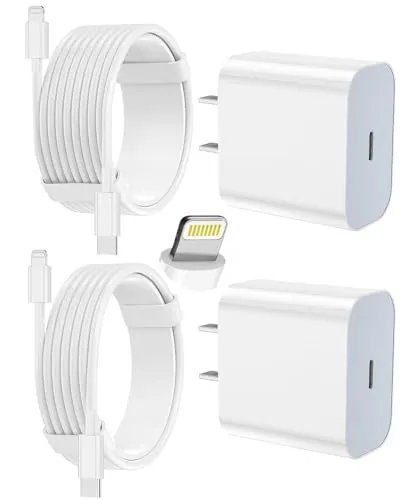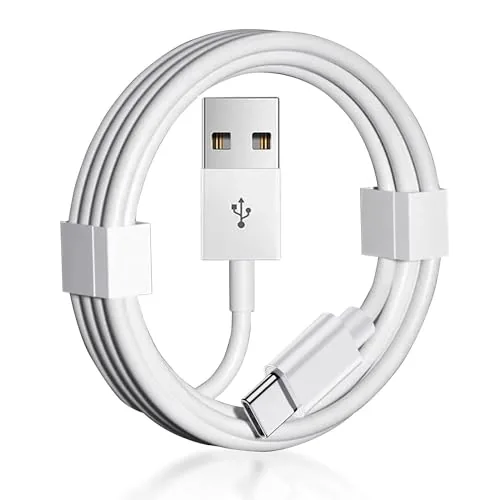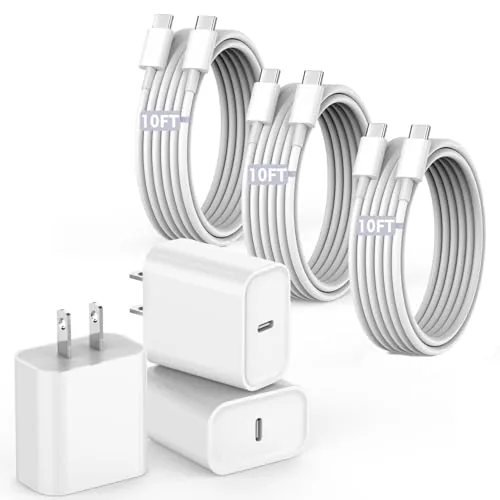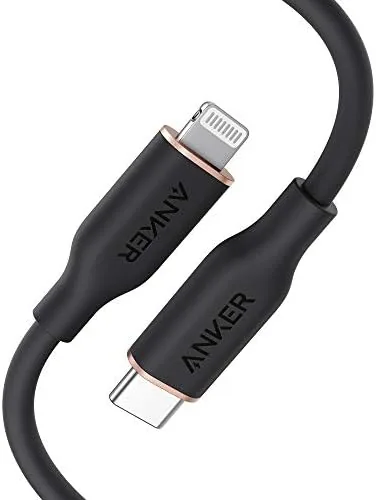

Apple made the switch to USB-C charging an inevitability, but millions of Lightning devices are still in daily use, and the cable that connects them to the future is a surprisingly important piece of kit. The Anker PowerLine III Flow is a 3 foot USB-C to Lightning cord wrapped in a soft silicone jacket, MFi certified by Apple, and built to charge an iPhone fast when paired with the right adapter. I spent a month using it as my primary bedside cable and a secondary travel cord to find out whether the premium feel translates into a cable that actually lasts.
The disclosure that applies to everything on this site comes first: this review contains affiliate links. A purchase through one of them earns cosmoniq.com a small commission at no extra cost to you, and it never shapes my verdict. My notes come from a month of real use.
Design and Build
The first thing you notice is the jacket. This is not the hard braid of a typical rugged cable or the glossy PVC of a stock cord. It is a soft, matte silicone that feels almost plush in the hand, and it is flexible enough to coil into a small circle without fighting you. The midnight black finish is understated and looks at home on a nightstand, and the whole cable is thin and light despite the soft exterior.
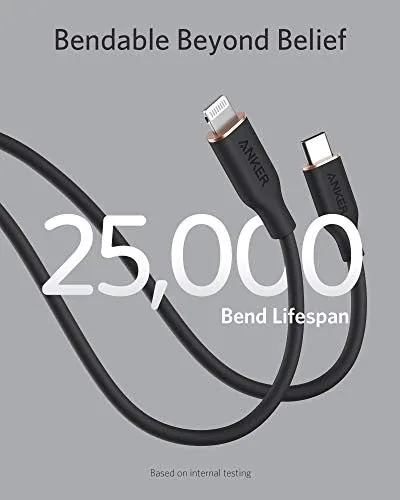
The connectors are molded Anker style with a strain relief that extends past the plug, and the Lightning end is a clean, single-piece tip that seats firmly in a phone. Anker rates the cable for up to 25,000 bends, which is the durability claim behind the soft exterior, and the connectors are built to match. The whole unit feels far more premium than the price suggests, which is a running theme with Anker accessories.
Key Features
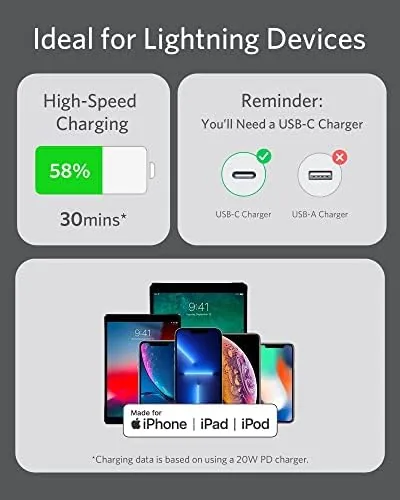
The headline is the USB-C end. Because the cable is USB-C to Lightning rather than the older USB-A to Lightning, it can carry power delivery fast charging to a compatible iPhone when paired with an 18W or higher USB-C adapter. That single change cuts charge times from the slow drip of a standard 5W block to a genuinely useful fast top-up, and it is the main reason to choose this over a legacy cable.

The MFi certification is the other important spec. It means Apple has licensed and tested the cable for Lightning compatibility, so it will not throw the compatibility warnings that plague uncertified cables, and it will hold a stable data connection for syncing as well as charging. The silicone jacket adds a daily convenience layer, resisting tangles and staying flexible in cold weather where hard cables stiffen.
Real-World Performance
Charging performance lived up to the spec sheet. With an 18W USB-C adapter, my iPhone went from empty to a usable charge in about the time a standard cable needs to fill half the same battery, and the cable ran cool the entire time. The USB-C end means the same cord also works with a modern laptop adapter, a car charger, or a power bank that has USB-C out, which makes it one of the more flexible cables in a drawer.
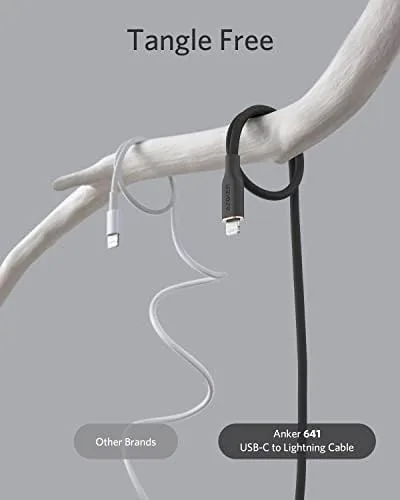
The soft jacket is a genuine delight for bedside use. It coils without kinking, does not tangle in a bag the way braided cables sometimes do, and it stays supple. The one honest quibble is that the soft silicone finish picks up lint and dust more readily than a smooth PVC cable, so it needs the occasional wipe to stay pristine. That is a cosmetic trade for a feel that most people will prefer.
Data transfer deserves a mention, because it is easy to overlook in a charging review. Syncing a full photo library over the cable held a steady connection with no drops, which confirms the MFi certification is doing its job beyond the power path. I also ran the cable through a long game session while tethered to a battery bank, and the connection stayed stable while the phone charged, which is the sort of everyday reliability that only becomes obvious when a cheaper cable fails it.
One more observation from the travel test rounds out the picture. Tucked into a packed bag with the cable looped loosely, the silicone jacket came out coil-free and ready to use, which is a small thing until you are untangling a stiff braided cord in a dark hotel room. The soft jacket also sat flat under a charging device without lifting it at an angle, a benefit that matters when you charge a phone on a soft hotel nightstand.
Pros and Cons
Pros:
- USB-C end enables power delivery fast charging on compatible iPhones
- Apple MFi certification guarantees clean compatibility and data sync
- Soft silicone jacket resists tangles and stays flexible in the cold
- Rated for up to 25,000 bends with solid molded connectors
- Premium feel at a price below most Apple Store replacement cables
Cons:
- Soft silicone finish picks up lint and needs occasional wiping
- Three feet is short for floor-outlet and couch use
- No cable tie included, so it can wander in a drawer
- Fast charging requires a separate USB-C adapter you may not own
Those cons are minor and mostly about accessories and habits. The lint pickup is the only thing you will notice daily, and it is a fair trade for a cable this pleasant to use. For most iPhone owners, the MFi certification and the fast-charging USB-C end are the features that matter most.
How It Compares
The comparison that matters is against Apple's own USB-C to Lightning cable, which is braided in current versions and MFi certified by definition. The Apple cable is slightly stiffer, comes in a limited color range, and costs more for the same length. The Anker is softer, more flexible, and undercuts Apple on price while matching the certification.
| Feature | Anker PowerLine III Flow | Apple USB-C to Lightning | Budget Store Cable |
|---|---|---|---|
| MFi certified | Yes | Yes | Rarely |
| Cable jacket | Soft silicone | Braided | PVC |
| Fast charging | Yes, USB-C | Yes, USB-C | Depends |
| Price | Mid | Premium | Low |
Against a cheap uncertified cable, the Anker wins on reliability and safety. Uncertified cables are more likely to throw compatibility warnings, charge at inconsistent rates, or fail early, which makes the modest extra cost of the Anker an easy call for anyone who wants a cable to simply work for years.
Who Should Buy the Anker PowerLine III Flow
Buy it if you charge a Lightning iPhone from a USB-C adapter and want fast, reliable, certified charging without paying Apple's price, or if you are tired of stiff cables that tangle and stiffen in the cold. It is also the right pick for anyone who wants one cable that works with both a modern laptop charger and an older Lightning phone.
Skip it if your phone is USB-C and you have no Lightning devices left, or if you need a long cable for couch or car use, in which case a longer length makes more sense. When you are ready, you can check the current price of the Anker PowerLine III Flow on Amazon.
How We Test
I used the cable as a daily bedside charger for a month and carried it on two trips, charging from wall adapters, a laptop, and a power bank. I tracked charge times against a standard USB-A cable, checked for compatibility warnings, and coiled and uncoiled the cable repeatedly to gauge the silicone jacket against kinking and tangling.
I did not run the full 25,000 bend rating to failure, because that would take months, so treat durability as a strong design claim backed by a month of hard use rather than a verified limit. For a grounding on how Lightning and USB-C cables are tested, the cable coverage at CNET's charging cable reviews is a useful companion read.
If this length and finish suit you, the Anker PowerLine III Flow listing on Amazon shows the current price and other lengths available.
Anker Cable Questions People Ask
Is the Anker PowerLine III Flow MFi certified?
Yes. It is Apple MFi certified, so it is licensed for reliable use with Lightning devices and will not trigger compatibility warnings during normal charging or data sync.
Does this cable support fast charging on iPhone?
Yes, when paired with a USB-C power adapter rated at 18W or higher. The USB-C end enables power delivery fast charging on compatible iPhones, which a USB-A cable cannot provide.
How durable is the silicone jacket?
Anker rates the cable for up to 25,000 bends, and the silicone resists tangling and stays flexible in cold weather. It can pick up lint over time, but it wipes clean and showed no tears during a month of use.
Will a 3 foot cable work for bedside charging?
Yes, as long as the adapter sits within reach of the phone. Three feet suits a nightstand or desk, and a longer length is the better choice when the nearest outlet is far from your charging spot.
As an Amazon Associate, I earn from qualifying purchases.