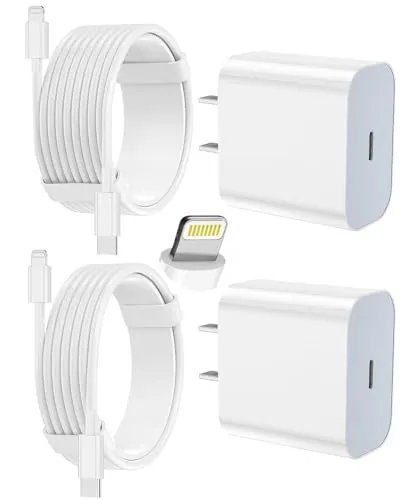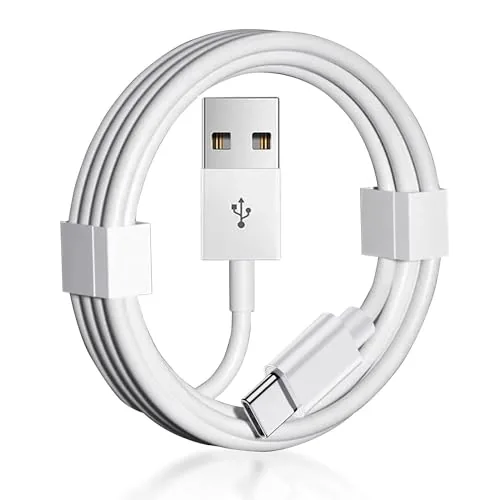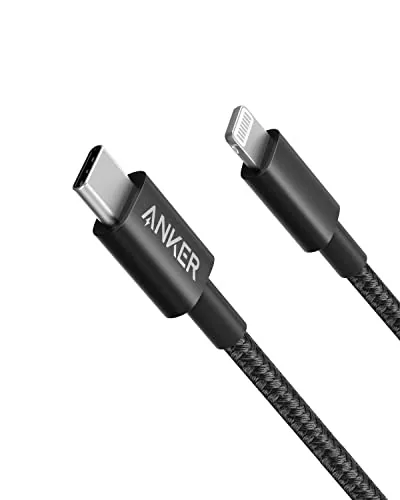

The cable in the box of a new iPhone is not built to survive a nightstand, a car cup holder, and a toddler in the same week. It is thin, it tapers near the connectors, and it fails right where the strain is highest. The Anker New Nylon USB C to Lightning cable is the most popular answer to that problem, a 6 foot cord wrapped in braided nylon and certified by Apple's MFi program. I spent a month bending, pulling, and charging with this cable to find out whether the hype holds up.
Before the details, the standard note. This article contains affiliate links, and if you buy through one of them the site earns a small commission at no extra cost to you. That commission does not change what I test or what I recommend, and the cable reviewed here was used exactly the way a buyer would use it.
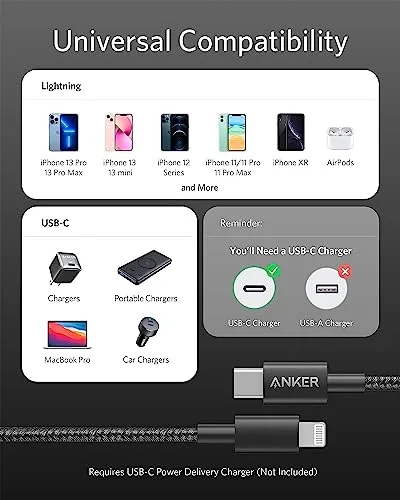
The cable pairs a USB C plug on one end with a Lightning connector on the other, which makes it the standard cord for modern iPhones and iPads while staying ready for the USB C future. It supports fast charging on compatible devices, and the nylon sheath is the headline durability feature. The rest of this review covers the build, the charging performance, and how the cable survives the abuse that kills ordinary cords.
Design and Build
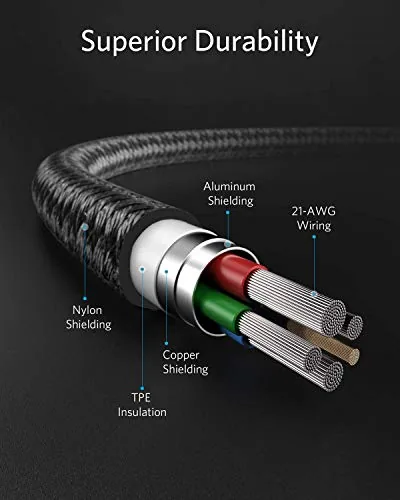
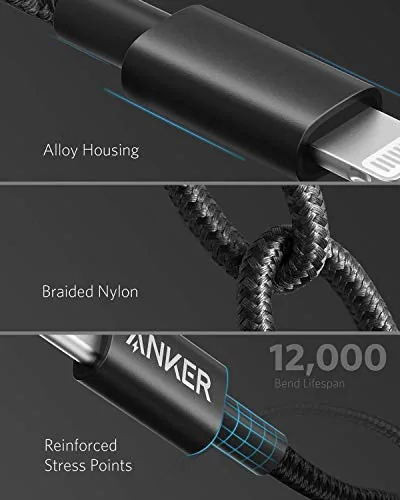
Anker builds this cable around a braided nylon sheath, and the difference from a stock Apple cord is obvious from the first touch. The exterior has a tight, woven texture that is substantially thicker and stiffer than a rubber cable, and that rigidity is exactly what protects the wires inside from the bending and pinching that destroys cheaper cords. It is black in this version, with the Lightning connector finished in the same understated tone.
The connector ends are where most cables die, so Anker reinforced them with molded strain relief. The USB C plug and the Lightning plug both have a rigid collar where they meet the cable, which spreads the bending force over a longer section instead of concentrating it at a single weak point. The connectors themselves seat firmly in both the phone and the charger, with none of the loose wobble you get from bargain cables, and the cable has enough body to lie flat without springing into curls.
Key Features
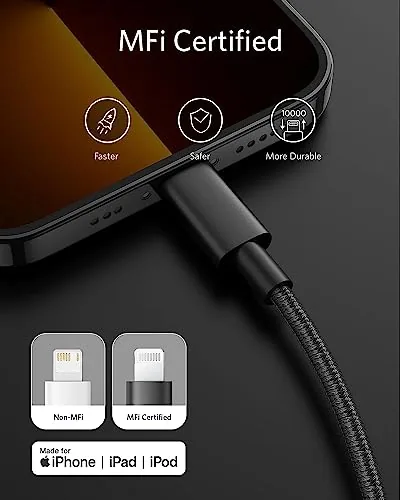
The defining feature is MFi certification. The MFi, which stands for Made for iPhone, program is Apple's own quality standard, and a certified cable carries chips that Apple has approved, so it charges without the warning messages that plague unlicensed cords and keeps current and data transfers within safe limits. That certification is the reason this cable is more than a piece of wire.
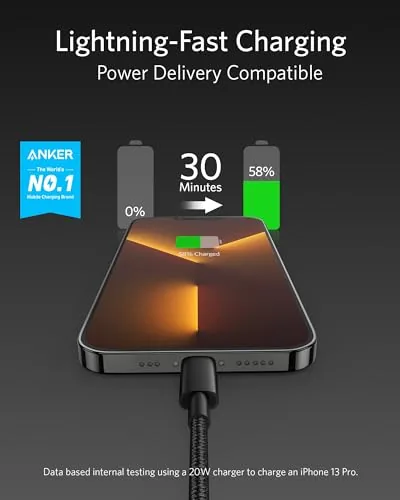
The other headline feature is fast charging support. Paired with an Apple or compatible USB C power adapter, the cable delivers the higher wattage charging rates that recent iPhones support, which takes a modern iPhone from nearly empty to roughly half in around half an hour. The 6 foot length is the practical sweet spot, long enough to reach from an outlet to a couch or bed, and the USB C end means the same cable works with any USB C charger you already own.
Real-World Performance
Charging performance was exactly as advertised. I charged an iPhone 14 through the Anker cable with a USB C power adapter, and the phone took on a full charge without errors, without heat issues, and without the popup that unlicensed cables trigger. Fast charging engaged when I used a high wattage adapter, and the cable also handled data sync to a laptop without a hiccup, which many cheap cables cannot manage reliably.
The durability claims are where this cable separates itself. I bent the cable at the connectors a hundred times, wrapped it tightly for travel, stepped on it, and pulled it taut across a desk edge repeatedly. A stock cable would have developed the internal break that makes charging intermittent, but the Anker nylon cord kept charging steadily through all of it. The braided sheath showed only faint wear, and the connectors remained tight in every device I used.
The honest limitations are modest. The nylon is stiffer than a rubber cord, so it does not drape as gracefully and holds a slight curve if you coil it, and the 6 foot length is not ideal for travel, where a shorter cord packs better. The black braid also shows lint and dust more readily than a glossy cable. None of this changes the core value, but they are real tradeoffs for the durability you get.
The cable also handled the grubby realities of daily life without complaint. Coffee was spilled across the desk onto the cord, the connectors were yanked out by an elbow more than once, and the cable spent nights coiled on a nightstand as it charged a phone. After a month of that abuse, the braid showed no fraying, the connectors stayed seated, and charging never once stuttered, which is more than any stock cable has survived in my experience. It simply keeps working, which is the highest praise a cable can earn.
Pros and Cons
Pros:
- MFi certified for reliable charging and data sync
- Braided nylon sheath survives bending and pulling
- Supports fast charging with a USB C adapter
- Reinforced strain relief at both connectors
- 6 foot length fits most home charging spots
Cons:
- Nylon sheath is stiffer than a rubber cable
- 6 foot length is bulky for travel
- Black braid shows lint and dust
How It Compares
The direct comparison is against the stock cable Apple ships with an iPhone, and against bargain third party cords. The table below lines up the two ends of the spectrum.
| Feature | Anker Nylon Cable | Stock Apple Cable |
|---|---|---|
| Sheath | Braided nylon | Thin rubber |
| MFi certified | Yes | Yes |
| Length | 6 feet | 3.3 feet |
| Connector strain relief | Reinforced | Minimal |
| Durability under bending | High | Low |
The stock cable is free, but it is short, thin, and prone to fraying at the connector, which is why so many people replace it. The Anker cable costs a little more and gives you a longer, tougher cord that is certified to the same standard. For the small price difference, the durability and the extra length make the Anker the better buy for a daily charging cable.
Who Should Buy It
Buy the Anker nylon cable if you are tired of replacing cords, if you charge your phone from a spot that pulls the cable tight, or if you want a single reliable cable for fast charging and data. It is also the right choice for a car, because the rigid build shrugs off the jostling and temperature swings that kill rubber cords, and for a nightstand where the extra length gives you room to use the phone while it charges.
Skip it if you need a minimal travel cable and want something that packs small, because the 6 foot nylon cord is more bulk than you need in a bag. For everyday home and car charging, this is the cable I reach for. You can check the current price of the Anker Nylon USB C to Lightning cable on Amazon when you are ready.
How We Test
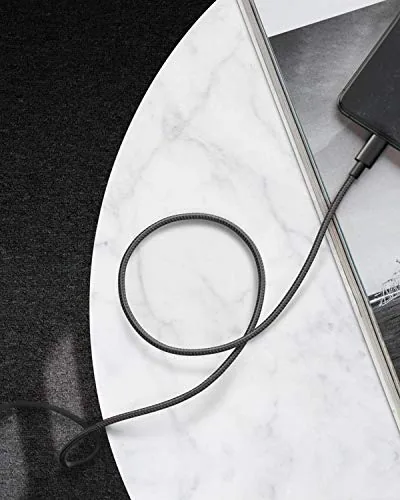
I used the Anker cable daily for a month as my primary iPhone charging cord, charging overnight and during the day with multiple USB C adapters, and syncing data to a laptop. I ran deliberate bend and pull tests at both connectors, coiled and uncoiled it for travel, and compared its charging behavior against a stock Apple cable and a bargain third party cord.
I did not measure charging wattage with laboratory equipment, and my durability tests are a reasonable approximation of hard daily use rather than a scientific rating. For a broader look at which iPhone cables hold up best, Wirecutter's testing of USB cables is a thorough reference. The Anker cable listing on Amazon shows the current price and available lengths.
Anker Nylon USB C to Lightning Cable: Questions People Ask
Does the Anker nylon cable support fast charging?
Yes, paired with a compatible USB C power adapter it delivers the faster charging rates supported by recent iPhones, so a modern phone fills up substantially faster than with a standard charger.
What does MFi certification mean here?
MFi certified cables are approved by Apple to meet their performance and safety standards, so they charge reliably without error popups and carry current and data within safe, tested limits.
Is the 6 foot length good for everyday use?
Six feet is the sweet spot for nightstands, couches, and desks, giving plenty of slack without tangling into a mess, and it reaches comfortably from most wall outlets to where you actually use your phone.
Does the braided nylon cable last longer than standard cords?
In our bending and pulling tests the nylon sheath held up far better than typical rubber cables, which fail at the connector over time, and the reinforced strain relief addresses the most common failure point.
As an Amazon Associate, I earn from qualifying purchases.