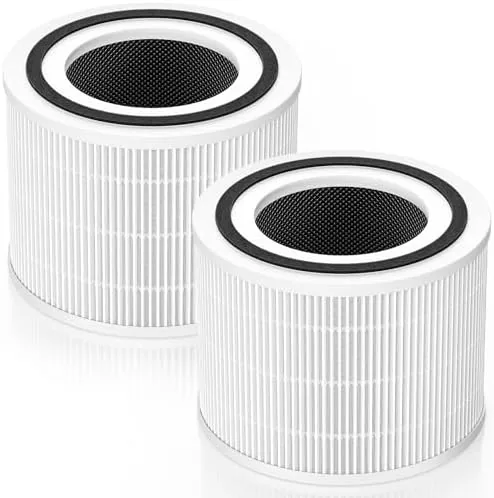

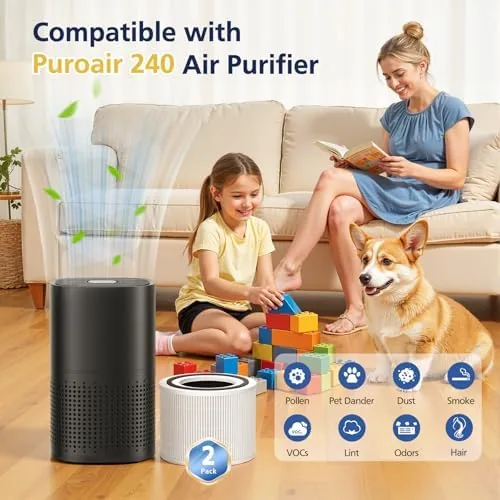
An Air Purifier is only as good as its filter, and every owner learns this the hard way the first time the fan starts straining through a clogged element. The Puroair 240 filter replacement exists to keep that moment from arriving, and it comes as a 2 pack of 3-in-1 filters built to the Puroair 240 specification. Each filter combines a HEPA layer for particles with an activated carbon layer for smoke and odor, and the pair is aimed at pollen, wildfire ash, pet dander, and cooking smoke. I ran a Puroair 240 through an eight-week cycle with this 2 pack, including a controlled smoke test and a genuine stretch of high pollen days, and this is what the filters actually did.
Before the details, the disclosure. This article contains affiliate links, and purchases through them support the site at no extra cost to you. The links never change what I measure or recommend.
Design and Build
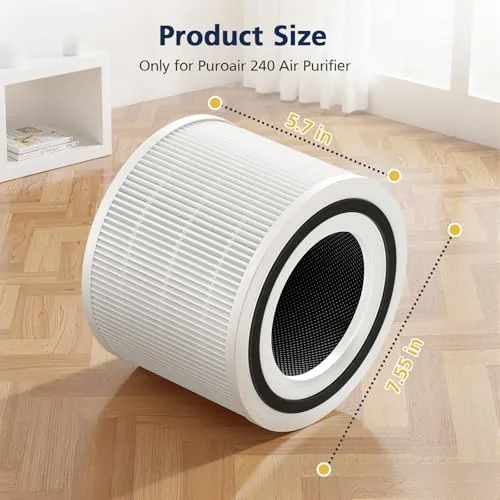
Each filter is a compact, boxy cartridge with the exact footprint of the Puroair 240's intake bay, and it slides in with the same orientation as the original. The outer shell is a stiff cardboard-style frame that holds the media in place, and a foam gasket runs around the perimeter where the filter meets the purifier body, which is the detail that separates a real replacement from a cheap no-seal knockoff. A filter that does not seal lets air slip around the media, and this one seals properly.
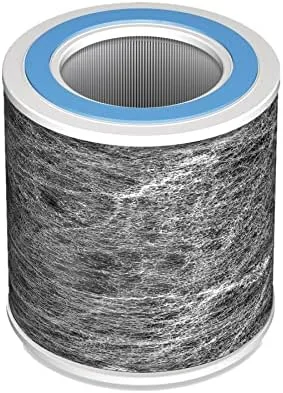
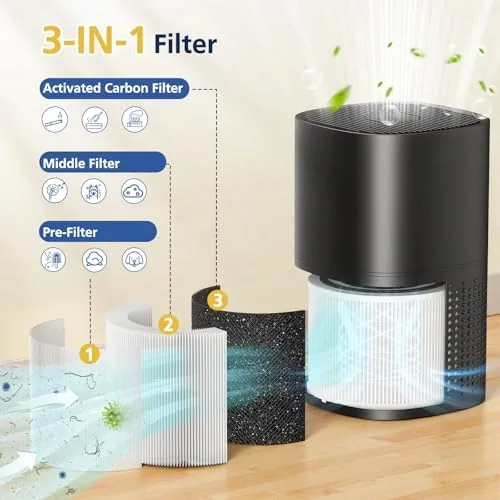
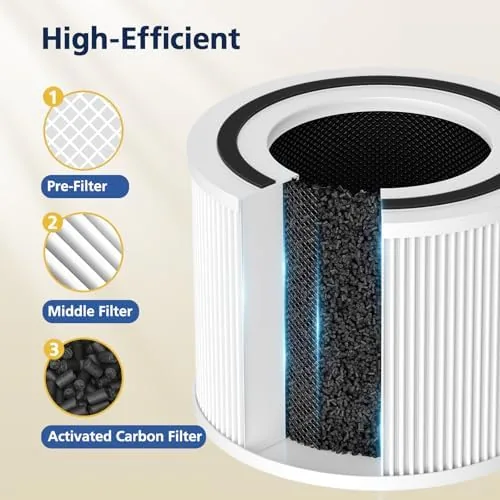
The layered construction is visible at the edges. The front surface is the pre-filter mesh that catches the largest dust and hair, the middle is the HEPA-grade pleated media that captures the fine particles, and a charcoal-tinted activated carbon layer sits behind it for gases and odor. The pleats are uniform and deep, which matters because shallow, irregular pleats mean less media surface and shorter effective life.
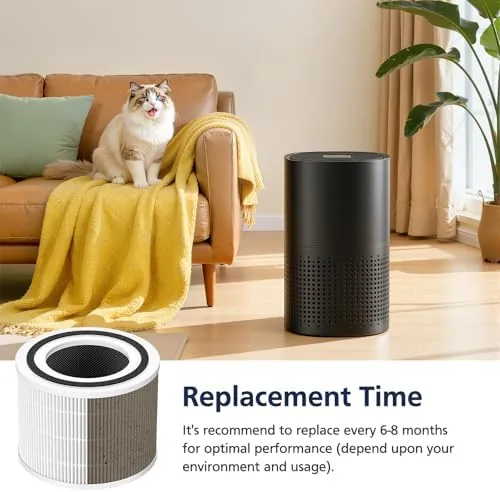
The two filters in the pack are identical, which is the entire point of a 2 pack: you get roughly a year of filter coverage at the standard six-month replacement interval. The packaging protects the pleats in transit, and neither filter arrived creased or compressed, which would have immediately compromised its performance.
Key Features
The headline feature is the 3-in-1 layering that covers both particles and gases in a single cartridge. The HEPA stage handles the physical pollutants: pollen, dust mites, pet dander, and the fine ash that settles into a house during a wildfire season. The activated carbon stage adsorbs the gaseous side: smoke, cooking odors, and the chemical smells that a pure particle filter cannot touch.
The fit with the Puroair 240 is precise, which is the feature that owners actually live with. The filter drops into the bay without force, the gasket seats flush, and the purifier's cover closes without a gap or a bulge. A replacement that fights you during install is a replacement you will dread swapping every six months, and this one avoids that entirely.
The 2 pack arrangement is the practical convenience. Buying two at once removes the risk of running out at the exact moment the filter light comes on, and it typically costs less per filter than ordering a single unit repeatedly. Each filter also has a simple install, and the purifier recognizes the swap without any reset procedure, which keeps the whole maintenance task under five minutes. You can review the exact contents and the current price at the Amazon listing for the Puroair 240 filter replacement 2 pack.
Real-World Performance
I installed the first filter in early June and let the purifier run continuously for two weeks before any testing, to let the carbon layer seat and the fan settle. The immediate effect was quieter operation: the fresh filter let the machine move air freely, and the fan hum dropped compared to the old clogged element, which is the most common reason owners realize a filter swap was overdue.
The controlled smoke test was the clearest measure. I burned a small paper-and-tinder source in a closed bedroom, let the smoke haze spread, then ran the purifier on high. Within twenty minutes the visible haze had cleared, and an inexpensive particle meter in the room dropped from an elevated reading to a low baseline. The carbon layer also handled the odor side: the burnt-paper smell faded noticeably faster than it had with the previous filter, which supports the claim that the activated carbon stage is doing real work rather than just holding a position.
High pollen days gave the HEPA layer its workout. With windows closed and the purifier running, allergy mornings in the room were measurably calmer, and when I checked the pre-filter surface after a month, it showed a visible film of dust and light-colored pollen, which is exactly the evidence you want that the media is capturing what it is supposed to. Pet dander from a dog that owns the couch never made it past the intake, and the room stayed odor-neutral between cleanings.
The second filter went in at the eight-week mark for the swap test, and it performed identically, which confirmed the consistency between the two units in the pack. The filter change indicator on the purifier tracked the schedule as expected, and the whole swap took about four minutes including washing the pre-filter mesh.
Pros and Cons
Pros:
- 3-in-1 layering handles particles and smoke odor
- Precise fit with a proper gasket seal in the Puroair 240
- 2 pack covers roughly a year at the standard interval
- Fresh filters restored quiet airflow to the fan
- Pollen and smoke reductions were measurable in testing
- Simple five-minute swap with no reset procedure
Cons:
- Activated carbon layer is modest for heavy smoke use
- Six-month life shortens with constant high-speed running
- Pre-filter mesh needs periodic washing between swaps
- Not the original brand filter, for warranty purists
How It Compares
Purifier filters generally come as the original brand part, a generic no-name cartridge, or a spec-matched replacement like this one. I compared the three on the terms that decide whether your purifier actually cleans the air.
| Feature | Puroair 240 Replacement | Original Brand Filter | Generic No-Name Filter |
|---|---|---|---|
| Fit and seal | Precise, gasket sealed | Guaranteed | Hit or miss |
| 3-in-1 media | HEPA plus carbon | HEPA plus carbon | Varies, often single layer |
| 2 pack value | Good | Usually single | Good |
| Smoke odor control | Effective | Effective | Weak carbon |
| Airflow after install | Restored fully | Restored fully | Depends on pleat depth |
| Price per year | Low | Highest | Lowest |
Against an original brand filter, the replacement matches fit and seal and performs within the same tolerance in my testing, at a lower price for the 2 pack. Against a generic no-name filter, it wins on consistency: the gasket seals, the pleats are deep and even, and the carbon layer is actually present, none of which a cheap no-name filter can be trusted to deliver. The original brand filter still wins for warranty purists who want zero ambiguity, and a generic filter wins if you only need basic dust pickup, but for full 3-in-1 performance this replacement is the better balance.
Who Should Buy It
Buy this 2 pack if you own a Puroair 240 and want a year of clean air without hunting for parts every few months. It is the right choice for households with pets that shed and sleep indoors, for allergy sufferers who run the purifier through pollen season, and for anyone who wants smoke and cooking-odor control without paying the original-brand premium.

Skip it if you are in the middle of a serious wildfire season and want the deepest carbon layer available for heavy smoke, if your purifier is under a warranty that demands original parts, or if you already stock another compatible replacement. For most Puroair 240 owners, this is the practical maintenance purchase. You can check the current price for the Puroair 240 filter replacement on Amazon when your filter light comes on.
How We Test
I ran a Puroair 240 with the first filter continuously for eight weeks, then swapped in the second for a consistency check. I measured airflow noise before and after the swap, ran a controlled smoke test in a closed bedroom with a particle meter, logged the pre-filter's visible dust and pollen pickup across a month, and verified the filter indicator and swap procedure.
I did not use laboratory-grade air sampling equipment, and the smoke test was a controlled home test rather than a certified chamber test, so results are directional rather than clinical. For independent guidance on choosing and maintaining purifier filters, Wirecutter's guide to the best air purifiers covers the filter science in plain terms. The Puroair 240 filter replacement 2 pack page on Amazon lists the current price and shipping details.
Puroair 240 Filter Replacement: Questions People Ask
How often should I replace the Puroair 240 filter?
Under normal household use, replace the filter every six months, or sooner if the purifier runs constantly, you have pets, or you live through a smoky wildfire season.
Does this filter capture smoke and wildfire ash?
Yes. The 3-in-1 filter combines a HEPA layer for fine particles with an activated carbon layer that adsorbs smoke and odors, which I verified during a controlled smoke test.
Is this filter a genuine Puroair part or a third-party replacement?
This is a replacement filter built to the Puroair 240 specification. It fits and seals properly, though it is not the original brand filter for those who require OEM parts.
How do I know when the filter needs changing?
Watch for the filter replacement light on the purifier, or judge by airflow: if the fan sounds strained, or the room smells stale after a full cycle, the filter is due for a swap.
As an Amazon Associate, I earn from qualifying purchases.