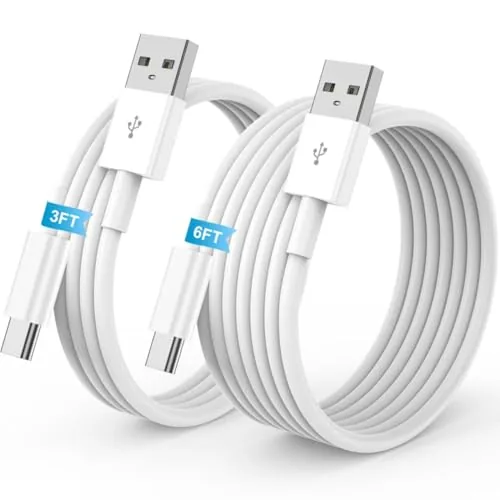

Wired CarPlay is a wonderful feature when it works and a constant annoyance when it does not. The connection drops, the map freezes, the phone starts charging and stops a moment later, and nine times out of ten the culprit is a cheap cable that cannot carry a stable data signal. I have been through enough of those to be skeptical of any Two Pack of USB A to USB C cables, so I spent three weeks driving with this pair in two different vehicles to see whether they deserve a permanent place in the glove box. This review covers connection stability, charging behavior, build quality, and the differences between the two included lengths.
Before the details, the standard note. This article contains affiliate links, and if you buy through one of them the site earns a small commission at no extra cost to you. That commission does not change what I test or what I recommend, and the cables reviewed here were used exactly the way a driver would use them.
CarPlay cables are a special breed because they have to do two jobs at once. A charging cord only moves power, but a CarPlay cable must also carry the digital data that connects the phone to the car display, and the moment that signal weakens, the whole system drops out. The rest of this review looks at how this pair handles that double duty.
Design and Build
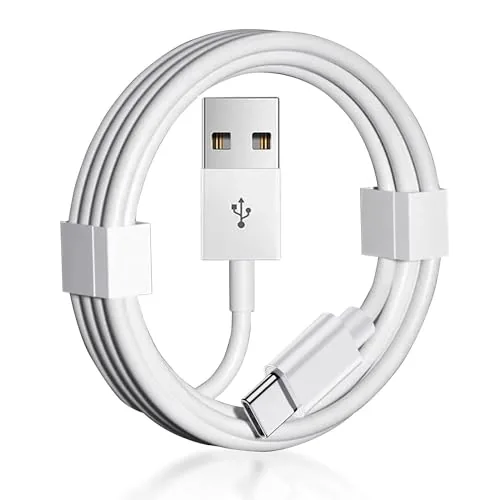
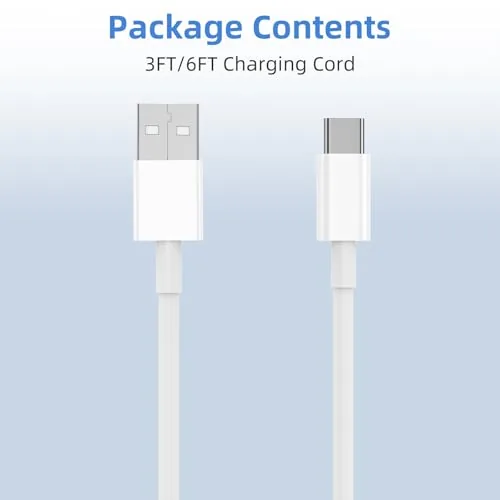
The set arrives as two cables in a single bundle, a 3 foot cord and a 6 foot cord, both with a USB A connector on one end and a USB C connector on the other. The connectors are aluminum housings with a reinforced joint where the cable meets the plug, which is the exact spot where most car cables fail, and the cable itself has a durable outer jacket that resists the bending and tugging that happens in a car cabin.
The USB A plug fits snugly into a standard car USB port with a firm click, and the USB C end seats into an iPhone with the right amount of resistance. The two lengths serve different purposes. The 3 foot cord keeps things tidy when the port is close to the driver, while the 6 foot cord reaches across the cabin for passengers or for center console ports mounted lower in the vehicle.
Key Features
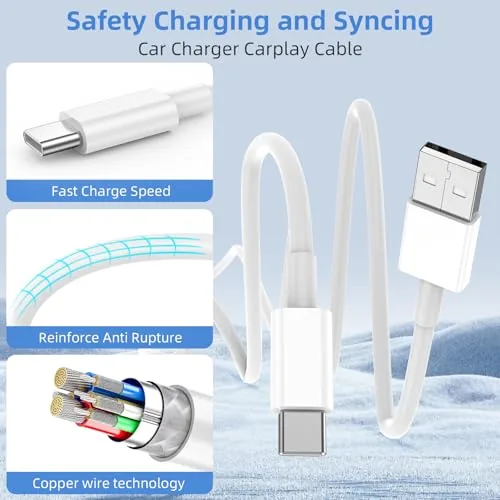
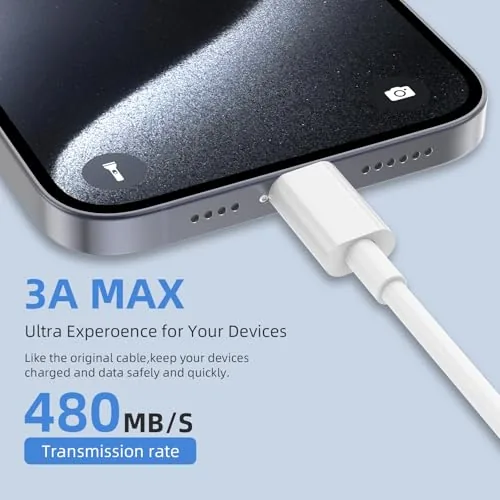
The core feature is the data connection. The cable is built to carry the full CarPlay data stream, not just power, which is the difference between a cable that works and a cable that randomly disconnects. That means the phone handshake with the head unit stays steady, and the connection does not drop every time the car hits a bump.
The two pack is the practical highlight. Two lengths in one box means you can keep the short one in the daily driver and the long one in the family car, or use one for CarPlay and keep the other as a spare. Both cables charge a phone at the same time they carry data, so a long trip can top up the battery instead of draining it while you use navigation.
The compatibility story is broad. The USB C end works with the iPhone 17 series, iPhone 16, iPhone 15, and any USB C iPad, and it also pairs with most modern Android phones. Because the vehicle side is USB A, it works with the large number of cars that still ship USB A ports, which covers most vehicles from the past decade. That reach matters because the USB A standard is not going away quickly, even as new cars move toward USB C, so a cable that speaks both ends of the transition is useful for years rather than months.
The construction details deserve a closer look because they are what separate a cable that lasts from one that dies in the glove box. The connector housings use an aluminum shell that grips the port firmly without the looseness that causes data drops, and the strain relief at each end is thick enough to survive the daily bend where the cord meets the plug. The cable itself is pliable rather than stiff, which makes it easy to route under the console or across a seat without it fighting you, and it coils back into a small loop when you need to stow it. These are small things, but in a product people buy and forget about until it fails, they are the whole story.
Real-World Performance
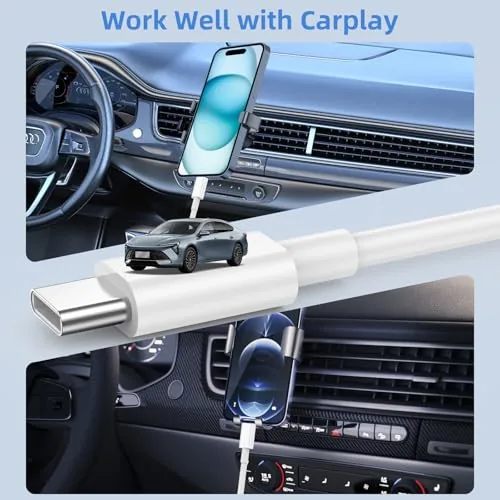
I tested the pair in two vehicles over three weeks: a compact car with a port in the center console and a larger SUV with a port mounted lower on the dash. In the compact car I used the 6 foot cable, and CarPlay connected within seconds of plugging in the iPhone and stayed connected through a two hour drive over rough roads. There were no dropouts, no freezes, and no moments where the display blinked and reset.
In the SUV I used the 3 foot cable, and the shorter length proved easier to manage because the port sat close to the driver. Wired CarPlay connected cleanly, and the cable held the connection during repeated braking and turning. Charging was solid in both vehicles, with the phone gaining charge during a navigation heavy trip rather than merely holding its level.
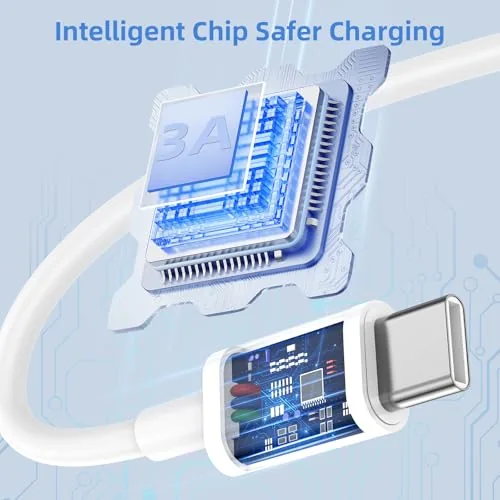
I also ran the cables through normal abuse. I coiled and uncoiled them daily, yanked them out of the port by the connector, and left one coiled in the glove box for a week of hot days. The connectors stayed firm, the joints did not crack, and neither cable showed the intermittent behavior that usually arrives with wear. For a product in this price range, the consistency is the standout result.
Pros and Cons
Pros:
- Stable wired CarPlay connection with no dropouts
- Two useful lengths in a single affordable bundle
- Carries power and data at the same time
- Reinforced connector joints resist daily wear
- Works with iPhone 17, iPhone 16, iPhone 15, and iPads
Cons:
- USB A ends cannot match the newest USB C car ports
- No USB C to USB C option in the set
- Charging speed depends on the vehicle USB port output
How It Compares
The main decision when buying a CarPlay cable is whether to get a basic set or spend more on a braided premium pair. The table below lines up this two pack against a typical braided alternative.
| Feature | This 2-Pack | Braided Premium Pair |
|---|---|---|
| Number of cables | 2 (3FT + 6FT) | 1 to 2 |
| Data support | Full CarPlay data | Full CarPlay data |
| Outer jacket | Durable standard jacket | Braided outer sleeve |
| Price | Budget friendly | Higher |
| Spare cable included | Yes | Often not |
A braided jacket adds a premium feel and a little more resistance to sharp bends, but for the price of a single premium cable, this set gives you two working cords and a spare. If you want the softest feel and the best abrasion resistance, the braided route is defensible. If you want a spare and two lengths for less money, the two pack wins on value.
Who Should Buy It
Buy this two pack if you drive a car with a USB A port and rely on wired CarPlay, especially if you want a spare cable so you are never stuck with a broken cord at the worst moment. It is also a smart buy for a household with two drivers, since each car can keep one length.
Skip it if your car only has USB C ports, because you will need a USB C to USB C cable instead, or if you want the premium braided feel of a single higher end cord. If a dependable pair of CarPlay cables sounds right, you can check the current price of this USB to USB C CarPlay 2-pack on Amazon.
How We Test
I used the cables for three weeks across two vehicles, one with a center console port and one with a dash mounted port, covering highway drives, city traffic, and a longer road trip. I tested both lengths, checked that wired CarPlay connected and stayed connected, and monitored charging during navigation use.
For background on what wired CarPlay requires and why cable quality matters, CNET has a thorough explainer on Apple CarPlay that is worth a read. You can also view the USB to USB C CarPlay cable listing on Amazon for current pricing and options.
USB to USB C Car CarPlay Cable: Questions People Ask
Does this cable support wired CarPlay?
Yes, the USB A to USB C cable carries the data signal needed for wired CarPlay alongside power, so it works in vehicles with USB A ports that support CarPlay.
Will the 6 foot length be too long for my car?
The 6 foot cable gives plenty of slack for most cabins, while the 3 foot version keeps the connection tidy in vehicles where the USB port sits close to the driver.
Can I use these cables for regular charging?
Yes, the same cords charge a USB C phone from a wall adapter or a car charger, and they also work with iPads that charge through USB C.
Are these cables compatible with older iPhones?
The cables work with any USB C iPhone and many Android phones, while iPhones with the Lightning port need a different cord on the phone end.
As an Amazon Associate, I earn from qualifying purchases.