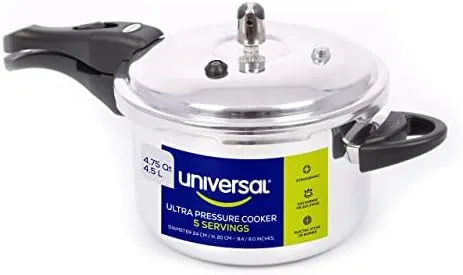

Pressure cooking is the fastest way to make the slowest foods, and the Universal Ultra 4.75 quart cooker brings that trick to any stove without a plug. It is a classic stovetop pressure cooker, an aluminum pot with a locking lid and a weighted regulator, built around a five layer safety system and sized for about five servings. I spent a month with the pot on a gas range and an induction hob, cooking beans, stock, stew, and even cheesecake. This review covers the safety engineering, the cooking times, and whether a stovetop cooker still earns its place next to the electric machines.
Before the details, the standard note. This article contains affiliate links, and if you buy through one of them the site earns a small commission at no extra cost to you. That commission does not change what I recommend, and the cooker was tested exactly the way a home cook would use it.
The stovetop pressure cooker is a simple machine with a serious reputation, and the reputation is why the safety system matters. This review walks through the parts that keep the pot safe, the real cooking results, and the maintenance that keeps an aluminum pot performing.
Design and Build
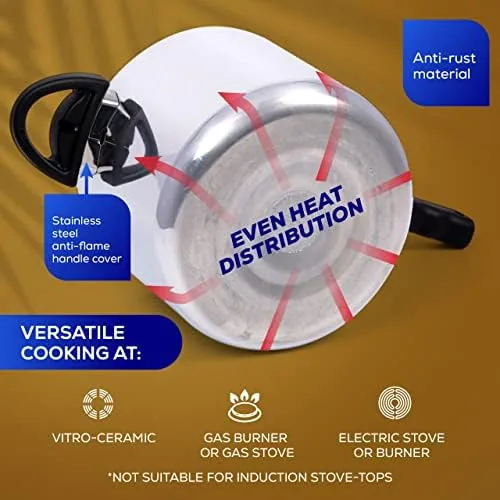
The Universal Ultra is built from thick gauge aluminum, which heats quickly and conducts heat evenly across the base. The anti rust construction means the aluminum body holds up to regular washing without pitting, and the pot handles heavy use without complaint. The 4.75 quart size is a family sweet spot, big enough for a batch of beans or stew and small enough for everyday storage.
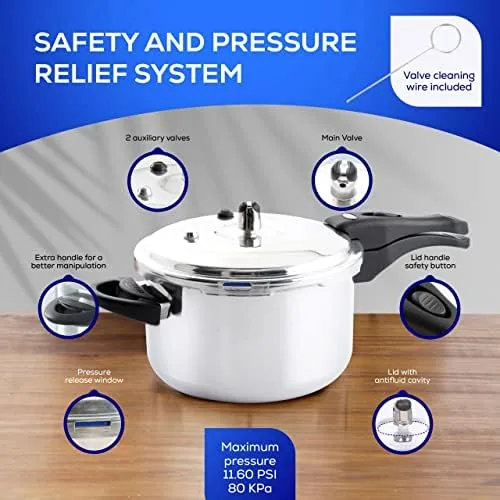
The lid is where the engineering lives. It locks with a secure twist mechanism, and the pressure indicator pin rises to show when pressure is building. The five layer safety system combines a primary valve with backup release paths, so the pot has multiple ways to relieve pressure if anything goes wrong. The handles are large and stay cooler than the body, and the whole assembly feels solid and reassuring in the hand.
Key Features
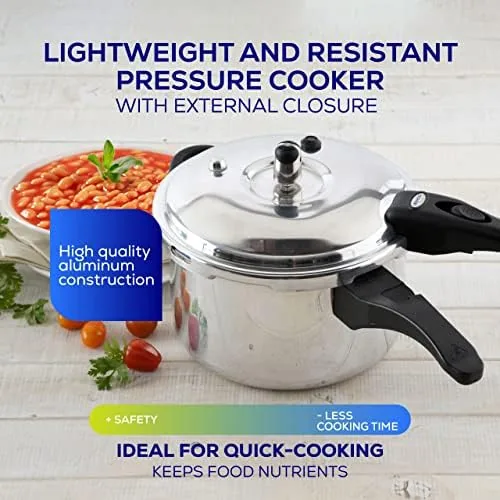
The headline feature is the five layer safety system. It pairs the weighted pressure regulator with a backup valve and a release mechanism, so normal pressure control, a safety lock, and emergency relief all work together. For anyone raised on stories about old pressure cookers, that redundancy is the feature that removes the fear.
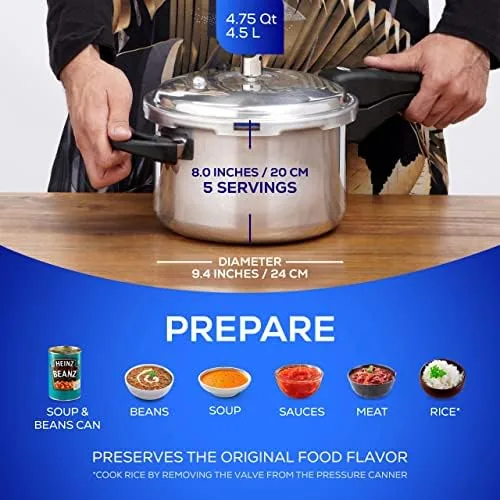
The cooker is dishwasher safe, which is genuinely rare among stovetop pressure cookers and a real convenience for daily use. The 4.75 quart capacity serves five people, and the pot works on gas, electric, ceramic, and induction cooktops, so it is not tied to one kitchen. The visual pressure indicator and the audible hiss of the regulator make it easy to know when the pot is at pressure, and that feedback loop is what lets a stovetop cooker match an electric one for results.
Real-World Performance
Dried beans are the classic pressure cooker test, and the Universal Ultra passed it impressively. A pound of pinto beans went from dry to tender in about forty minutes from cold water, with no soaking and no waiting. The beans held their shape and cooked evenly, which is the sign of good heat distribution, and the result beat both the canned version and the overnight method on time.
Stock is where the cooker shows its full value. Chicken bones and vegetables produced a deep, rich stock in about an hour that would have taken most of a day simmering on the stovetop. The pressure extracted flavor and collagen efficiently, and the stock set to a gel in the fridge, which is the marker of a properly made broth. That single use case justifies the pot for any serious cook.
Stew came out remarkably fast. Chunks of beef, carrots, and potatoes cooked to fork tender in under thirty minutes, and the flavors melded in a way that usually demands hours of low simmering. The stew had body and depth without the separate browning and long reduction that a slow cooker needs, and it tasted like it had cooked all afternoon. Even a cheesecake in a springform pan worked, emerging silky and set with the gentle pressure cycle that the pot maintains. Vegetables kept more of their color and bite than slow cooking gives them, because the short cooking window preserves texture that an all day simmer would soften away.
The stovetop cooker does ask for attention that an electric one does not. You have to manage the heat to keep the regulator rocking steadily, and the timing starts from the moment pressure builds, so a quick eye is part of the deal. The learning curve is short, but the first few cooks benefit from watching the pot. The reward is speed, because a stovetop cooker builds and releases pressure faster than any electric machine.
Maintenance is simple. The aluminum body washes easily by hand and the dishwasher safe claim held up across the month. The gasket is the part to watch; it needs occasional replacement, and the pot comes with spares, which is thoughtful for the price. The anti rust finish kept the exterior clean with no pitting or staining, even after frequent washing. The whole cooker breaks down into body, lid, and gasket, so every part is reachable for a thorough clean, and the simple layout means there are no hidden crevices where food can collect.
Pros and Cons
Pros:
- Fast cooking times for beans, stock, and stew
- Five layer safety system with backup release paths
- Dishwasher safe and easy to maintain
- Works on gas, electric, ceramic, and induction
- Thick aluminum heats evenly and resists rust
- Faster pressure build and release than electric cookers
Cons:
- Needs active attention to manage heat
- Gasket needs periodic replacement
- No timer or automatic controls
How It Compares
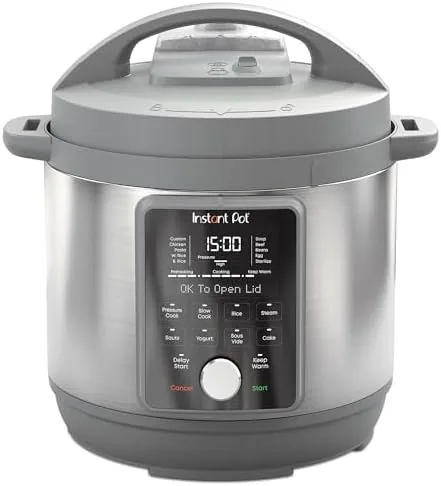
The real comparison for a stovetop cooker is an electric pressure cooker, since most buyers choose between the two. The table below shows what each approach trades.
| Feature | Universal Ultra Stovetop | Electric Pressure Cooker |
|---|---|---|
| Speed | Builds pressure fast | Slower to build and release |
| Attention | Needs active heat control | Set and forget |
| Safety | Five layer system | Automatic sensors |
| Counter space | Little, stores easily | Large appliance footprint |
| Stovetop needs | Requires a burner | Self contained |
| Price | Lower | Higher |

If you want to walk away and let dinner cook itself, an electric machine is easier. If you want the fastest results, the least counter space, and a lower price, the stovetop cooker wins. Anyone comfortable on a stovetop will find the Universal Ultra faster and more rewarding than its electric rival for the same dishes.
Who Should Buy It
Buy the Universal Ultra if you cook beans, stock, and stew from scratch and want them fast, and if you are comfortable managing heat on a stovetop. It is a strong pick for small kitchens, because it stores flat instead of squatting on the counter, and for cooks who want pressure cooking without paying for an electric appliance. The dishwasher safe body and anti rust finish also suit anyone who hates hand washing.
Skip it if you want a programmable cooker that you can start and forget, or if no one in the house is willing to watch a regulator. For hands on cooks, this is one of the best speed tools in the kitchen. You can check the current price of the Universal Ultra pressure cooker on Amazon when you are ready.
How We Test
I cooked with the Universal Ultra over a month on a gas range and an induction hob. The test list covered dried beans without soaking, chicken stock, a beef stew, and a pressure cooked cheesecake. I timed pressure build and release, watched the safety system through normal use and a deliberate overpressure check, and ran the pot through the dishwasher several times to confirm the claim. I also cooked enough beans and stock to test for even cooking and consistent results batch after batch.
I did not subject the pot to abuse beyond normal use, and my safety observations come from proper operation. For a deeper look at pressure cooking technique and recipes, Serious Eats has a thorough guide to pressure cooking that pairs well with this pot. The Universal Ultra pressure cooker listing on Amazon shows the current price and included parts.
Questions People Ask
How long does it take to bring this pressure cooker up to pressure?
On a standard gas burner the pot reaches full pressure in about five to eight minutes depending on the load, then cooking times drop to a fraction of stovetop simmering.
What does the 5-layer safety system include?
The pot pairs a weighted regulator with a backup pressure valve, an emergency release valve, a safety lock on the lid, and a pressure indicator pin, so pressure always has an escape route.
Is this pressure cooker dishwasher safe?
The aluminum body and lid are marked dishwasher safe, though hand washing with warm soapy water keeps the gasket and valves in the best shape.
How many servings does the 4.75 quart size feed?
The pot holds about five servings, so it suits a small family cooking beans, soups, and stews in a single batch.
As an Amazon Associate, I earn from qualifying purchases.