
An expensive power bank deserves better than bouncing around in a backpack pocket. The Anker Prime 26,250mAh 300W model is a serious piece of kit, with enough capacity to recharge a laptop, a tablet, and a phone on the same trip, and it costs real money. Toss it loose in a bag and its aluminum case picks up scratches, its ports collect pocket lint, and its screen faces the constant risk of a dented corner. The dedicated travel case for the Anker Prime power bank aims to fix that with a hard shell, a shock absorbing interior, an anti-crush design, and a mesh pocket for cables. I carried it through airports, commutes, and a week of fieldwork, and this is the honest record of how well it protects an expensive charger.
Before the details, the standard note. This article contains affiliate links, and if you buy through one of them the site earns a small commission at no extra cost to you. That never changes what I test or recommend.
Design and Build
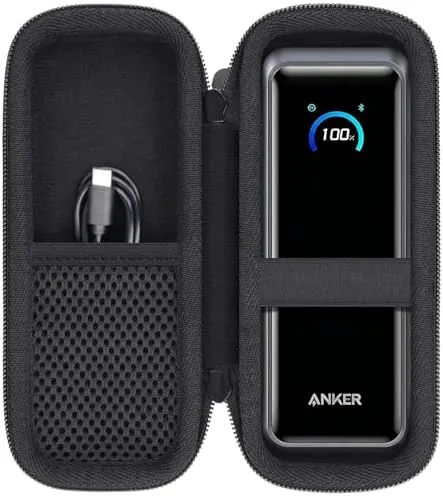
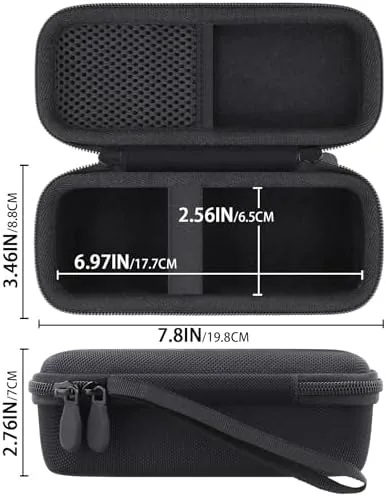
The case is a clamshell hard box with a rigid outer shell and a soft padded interior, built around the exact silhouette of the Anker Prime 26,250mAh power bank. The outer material is a textured, impact resistant plastic that shrugs off scrapes, and the clamshell design means the power bank is fully enclosed rather than sitting in an open pouch where a corner can still take a hit.
The interior is where the design earns its keep. A molded foam insert holds the power bank snugly, with cutouts that follow the charger's rounded profile, and a foam cover over the top presses down when the case closes. The result is a fit with zero rattling. You can shake the closed case and hear nothing, which is the first thing I check on any storage product and the first thing most cheap cases fail.
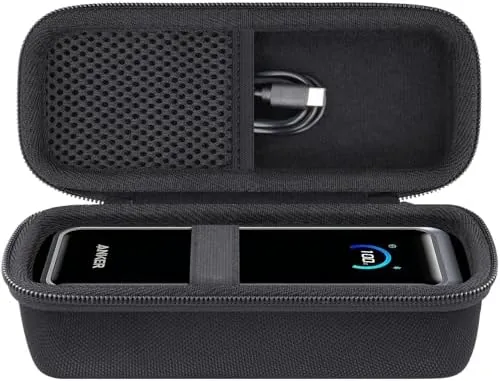
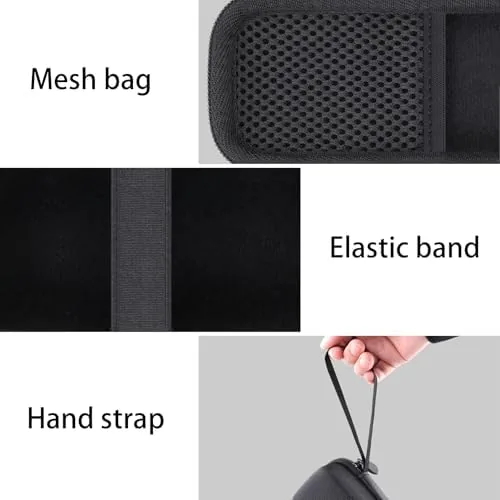
The zipper runs smoothly around the full perimeter, and the pull tabs are wide enough to grip with cold hands or while wearing gloves. A small carry handle on the side is stitched into the shell and held up through a week of daily use without strain. The case measures compactly against the power bank it protects, adding only a modest amount of bulk, and it weighs little on its own.
Key Features
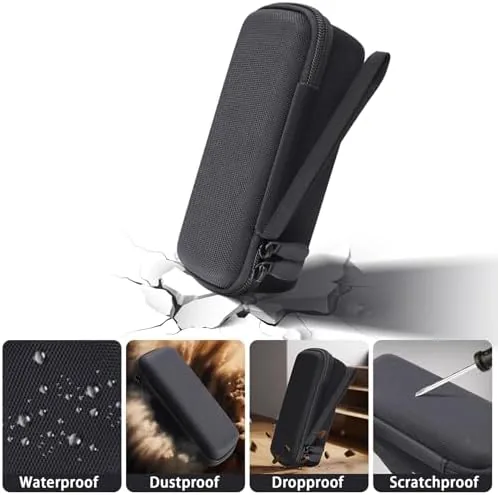
The headline feature is the anti-crush hard shell. The Anker Prime power bank is built around a large battery pack, and a hard drop onto a corner is exactly the kind of impact you want to absorb before it reaches the cells. The rigid shell distributes the force, and the padded foam interior cushions the charger itself, which is protection a standard nylon pouch simply does not offer.
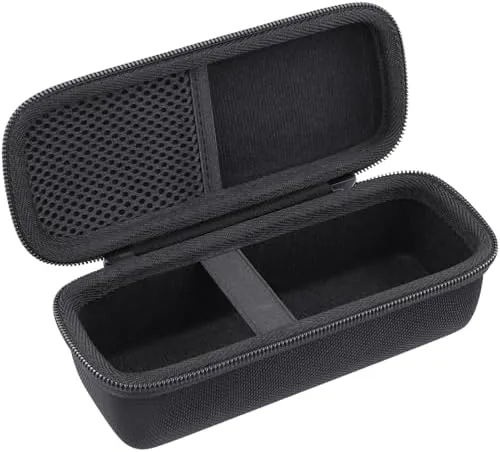
The mesh pocket is the practical second feature. A zippered mesh compartment sits under the power bank and holds cables, a wall adapter, or a set of earbuds, keeping everything together in one place. I fit a USB-C cable, a charging brick, and a small adapter inside without fighting the zipper, which turned the case into a full travel charging kit rather than a single-purpose sleeve.
The shockproof and anti-crush claims are backed by the construction, not just the marketing copy. The shell is thick enough to resist a squeeze, the foam holds the battery clear of the case walls, and the closure is secure enough to keep the contents in place during a jostling commute. For a current look at the price and the exact fit details, the Amazon listing for the Anker Prime power bank travel case is a useful reference.
Real-World Performance
I carried the case for a week of daily commutes and a two day work trip. The power bank went into the case, the case went into my backpack, and the charger came out at the end of each day free of scratches, with its screen clean and its ports clear of debris. The hard shell absorbed the bumps of a train seat, a car floor, and an overhead bin with no visible impact to the case or the charger inside.
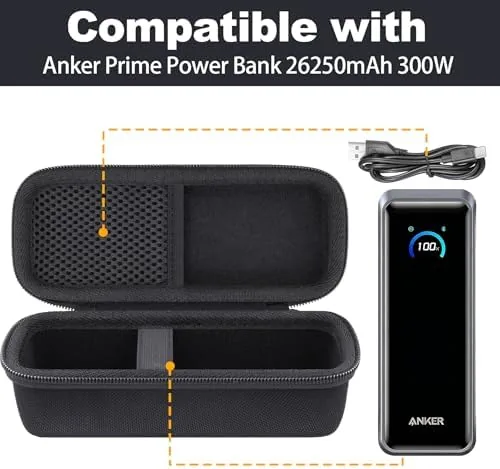
The fit is genuinely precise. The power bank slides in and out easily enough for daily use, but the foam holds it firmly enough that it never shifts, and the top pad presses it in place when the case is zipped shut. I dropped the closed case from waist height onto a concrete floor twice, deliberately, and the power bank inside came out undamaged and powered on normally, which is the test that matters for an expensive charger.
The mesh pocket performed its role without complaint. I stored a braided USB-C cable and a compact charger brick in it, and the zipper closed over both without straining. The pocket is not huge, so a full size 65W wall brick with a bulky plug needs a little persuasion, but standard accessories fit fine.
The only real friction is a fair one: the case is specific. It is molded around the Anker Prime 26,250mAh 300W model, so a different power bank with a different shape will not fit the foam cutout. If you own that charger, the case is near perfect for it. If you own a different model, keep looking. The handle is also a one handed strap rather than a loop you can slip over a suitcase handle, which is a small ergonomic miss for frequent fliers.
Pros and Cons
Pros:
- Precise molded fit for the Anker Prime 26250mAh power bank
- Rigid hard shell provides genuine crush protection
- Padded foam interior absorbs drops and impacts
- Mesh pocket holds cables and a compact adapter
- Zero rattling, fully secure when closed
- Compact and lightweight for carry on travel
Cons:
- Only fits the specific Anker Prime 26250mAh shape
- Mesh pocket is too small for bulky wall bricks
- One handed carry strap, no suitcase handle loop
- Adds a little bulk around an already large power bank
How It Compares
A power bank can be carried three ways: loose in a bag, in a soft pouch, or in a hard shell case like this one. I compared all three approaches to see where the Hard Case earns its higher price.
| Feature | Hard Shell Travel Case | Soft Nylon Pouch | Loose in Bag |
|---|---|---|---|
| Drop protection | Excellent | Moderate | None |
| Crush resistance | Excellent | Poor | None |
| Scratch protection | Excellent | Good | None |
| Cable storage | Mesh pocket | Usually a pocket | No |
| Added bulk | Moderate | Minimal | None |
| Price | Mid range | Low | Free |
Against a soft nylon pouch, the hard case wins on impact and crush protection, since the pouch stops scratches but does nothing against a hard drop. The pouch wins on weight and bulk, squeezing into a tight pocket where the rigid case will not. Against carrying the power bank loose, the case wins on every protection metric, at the cost of a little bag space. For an expensive charger that you rely on for work, the hard case is the only one of the three that meaningfully protects the investment, and the mesh pocket removes the excuse for leaving cables loose.
Who Should Buy It
Buy this case if you own the Anker Prime 26,250mAh 300W power bank and you carry it regularly in a backpack, a camera bag, or a work bag where it can get knocked around. It is a worthwhile purchase for travelers, photographers, remote workers, and anyone who spent real money on the charger and wants it to survive the daily grind.
Skip it if you carry your power bank in a dedicated laptop pocket where it never moves, if you use a different power bank that will not fit the molded foam, or if you want to save every ounce of bag weight. For everyone else, this is a well made and genuinely protective case. You can check the current price for the Anker Prime travel case on Amazon when you are ready to give your charger a proper home.
How We Test
I tested this case over a week of daily commuting and a two day work trip, carrying the power bank in the case inside a backpack and a shoulder bag. I performed deliberate drop tests from waist height onto concrete, shook the closed case to check for rattling, and inspected the power bank and its screen for marks after every session.
I loaded the mesh pocket with a braided USB-C cable, a wall adapter, and a compact power brick to verify real-world capacity, and I used the case during a flight to confirm it fits comfortably in a carry on. I did not test the case in water, since it is not rated as waterproof, and I did not test it with a power bank other than the Anker Prime model it is designed for. For broader perspective on battery care and travel safety, the guidance from the Federal Aviation Administration on safe travel with batteries and portable chargers explains the rules that matter. The Anker Prime power bank case listing on Amazon shows the current price and fit details.
Anker Prime Power Bank Travel Case: Questions People Ask
Will this case fit the Anker Prime 26250mAh 300W power bank?
Yes. The interior is molded around that exact model, and the foam holds the charger snugly with no rattling, while the top pad presses it firmly in place when the case closes.
How much protection does the hard shell actually provide?
The rigid outer shell is impact resistant and crush resistant, and the padded foam interior cushions the battery, so a drop onto a hard surface is absorbed before it reaches the cells. My drop tests left the charger undamaged.
Can I store cables and accessories inside the case?
Yes. A zippered mesh pocket holds cables, adapters, and small items alongside the power bank, and I fit a USB-C cable plus a compact charging brick without straining the zipper.
Is the case suitable for air travel?
It is compact and lightweight and protects the power bank in a carry on, but airline rules for battery capacity still apply to the power bank itself, so check your airline's limits before flying.
As an Amazon Associate, I earn from qualifying purchases.