
The space between a stove and the countertop is the quiet graveyard of a kitchen. A garlic clove rolls in and disappears, a drop of oil seeps to the side and bakes on, and the crumbs from toast pile into a dark channel that is too narrow for a hand and too annoying to ignore. The stainless steel stove gap cover is a small metal panel designed to plug exactly that channel. I installed the 2 pack on the range in my own kitchen, and this review covers how well it fits, how it handles heat and cleaning, and whether it really ends the nightly battle with the gap.
Before the details, the standard note. This article contains affiliate links, and if you buy through one of them the site earns a small commission at no extra cost to you. That commission does not change what I test or what I recommend, and the covers reviewed here were installed in a working kitchen exactly the way a homeowner would install them.
The gap cover is a simple idea with a very practical payoff. It fills the void where the range meets the counter, and the rest of this review looks at the construction, the fit, the daily performance, and the limits you should know before you buy.
Design and Build
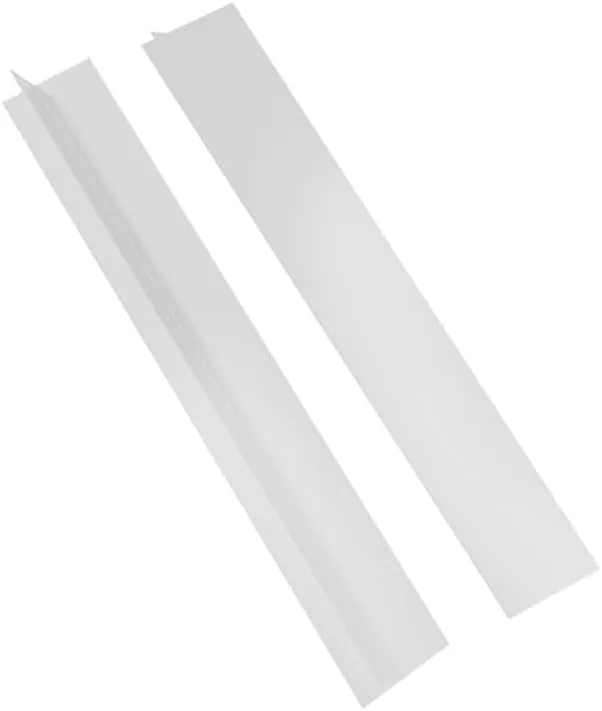
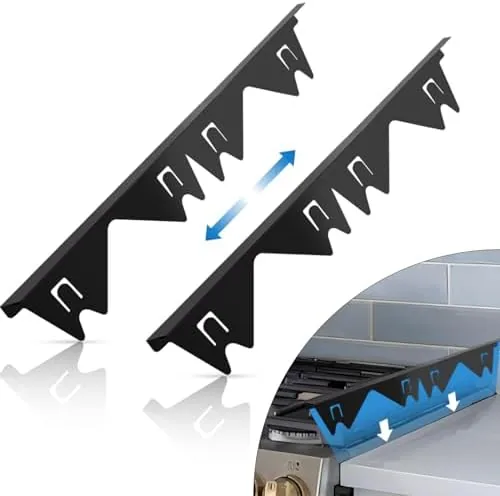
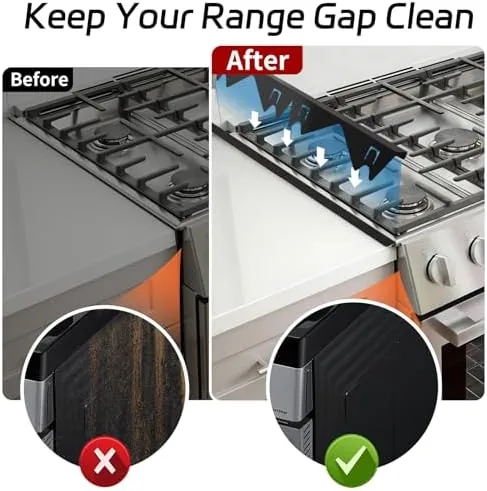
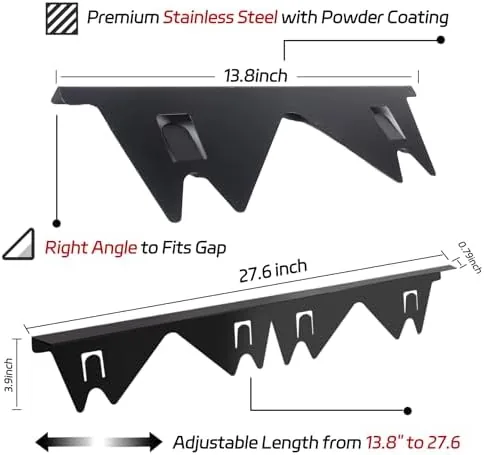
Each cover is a length of brushed stainless steel, flat and thin, with a finished edge on the top surface so it sits at counter height without a lip that catches knives or spoons. The material is what you would expect from the name: genuine stainless, not a painted substitute, which matters because the piece lives directly beside a heat source and a sink. The finish matches the general look of a stainless range well enough to blend into the kitchen rather than shout for attention.
The key part of the design is the adjustable length. Each cover telescopes from roughly 13.8 inches to 27.6 inches, so a single panel adapts to a standard range side without cutting. The adjustment is smooth and locks into place, and the two covers in the pack give you one for the left side and one for the right, or a longer run on a single side if that is what the kitchen needs. The width of the panel is about 0.79 inches, which is thin enough to slip into most gaps while still covering the width of the opening.
Key Features
The headline feature is the adjustable length, because that is what turns a generic piece of trim into a cover that actually fits a real kitchen. Most range gaps are not uniform, and the telescoping body means one product handles a range side that is longer or shorter, with the panels meeting cleanly where the range meets the wall or the next cabinet.
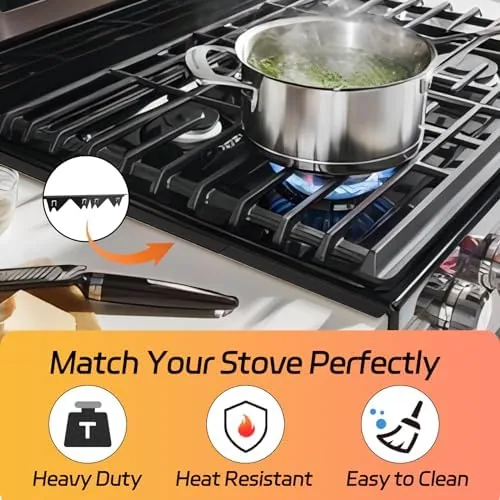
The heat resistance is the feature that matters most in daily use. The stainless construction stands up to the heat that radiates off a running range, and it does not soften, melt, or discolor at the temperatures a normal cooktop produces. That makes the cover safe to leave in place while you cook, which is the whole point. The easy clean surface is the other practical feature: a smooth metal face with no texture or seam to trap grease, so a wipe with a damp cloth restores it in seconds. For a product that sits in the messiest part of the kitchen, that simplicity is worth a lot.
Real-World Performance
The real test of a gap cover is whether it stops the things that actually fall, so I lived with these covers for three weeks and watched every crumb, splash, and dropped utensil. The change was immediate. The toast crumbs that used to vanish into the side of the stove now collect on top of the cover, where a sweep of the hand pushes them into the sink or the trash. The garlic clove test was the one that sold me: a clove that rolled off the cutting board and toward the stove simply stopped, resting on the metal surface instead of disappearing into the gap for a week.
Heat handling was exactly as promised. I cooked with the front burners at high heat, roasted on the back burner, and used the broiler, and the covers stayed cool to the touch on the outside edge and never showed any sign of stress. The stainless surface has not stained, and a streak of tomato sauce wiped off with a sponge and a little soap without leaving a mark. For a kitchen that cooks every day, that kind of low maintenance is the real value of the product.
The fit is where the honest assessment begins. The covers need to be sized correctly to look good, and that means measuring the gap between the range and the counter before you install them. In my kitchen the gap was not uniform from front to back, and getting the cover seated flush required a little patience to set the adjustment just right. Once set, they stayed put, but the covers are not glued or screwed in place, so a hard bump can knock one out of alignment and you have to reset it. That is a minor annoyance rather than a flaw.
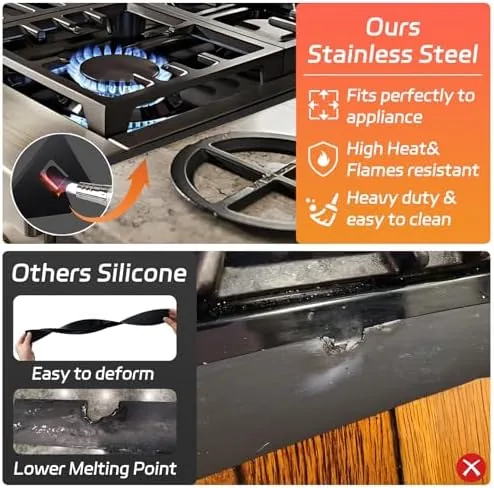
The other limit is the shape of the gap itself. If your counter has a rounded edge or the range sits at an angle, the straight cover may not seat perfectly, and if the gap is wider than the roughly three quarter inch width of the panel, the cover will not fill it completely. For the standard kitchen, though, these covers close the gap and keep the daily debris out, and after three weeks I would not want to go back to a naked range side.
Pros and Cons
Pros:
- Adjustable length fits most standard range gaps without cutting
- Real stainless steel resists heat and daily cooking temperatures
- Smooth surface wipes clean in seconds
- Two pack covers both sides of the range
- Thin profile sits near counter height without a raised lip
- Simple to install and easy to remove for cleaning
Cons:
- Requires careful measuring for a flush, clean fit
- Straight panel does not adapt to curved counter edges
- Can be knocked out of alignment by a hard bump
- Only fills gaps up to about 0.79 inches wide
How It Compares
Gap covers come in a few basic forms, and the choice usually comes down to this adjustable stainless set versus a foam filler strip. The table below lines up the two options.
| Feature | Adjustable Stainless Cover | Foam Filler Strip |
|---|---|---|
| Material | Brushed stainless steel | Soft compressible foam |
| Fit | Adjustable length, straight panels | Trims to length, squishes into gaps |
| Heat resistance | High, safe beside a range | Variable, check the rating |
| Cleaning | Wipe with a damp cloth | Harder to clean, porous surface |
| Looks | Matches a stainless kitchen | Visible foam color |
| Durability | Years of use, no compression | Can flatten and compress over time |
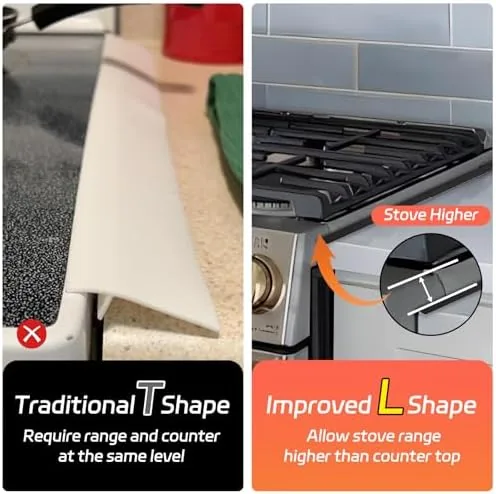
If the range gap is reasonably straight and uniform, the stainless cover is the better long term buy because it looks clean, lasts, and stays heat safe. A foam strip might win only in a situation where the gap is irregular and needs to squish into place, and even then it sacrifices looks and cleanability. For most kitchens, the stainless set is the upgrade that pays off.
Who Should Buy
Buy the stainless stove gap covers if your kitchen has a visible crack between the range and the counter where crumbs, coins, and small tools go to die. They are also a natural fit for anyone renting or selling a home, because a clean range side makes a kitchen look finished, and for households that cook heavily and want a surface they can wipe down at the end of the night.
Skip them if your counter has a strongly rounded edge or the gap is wider than the panel, since the straight cover will not seal those shapes completely. For a standard range and counter, this is the small fix that removes a daily annoyance. You can check the current price of the 2 pack of stainless stove gap covers on Amazon when you are ready.
How We Test
I installed both covers in a working kitchen on a standard freestanding range, measuring the gap on each side and setting the telescoping length to fit. I cooked with the range daily for three weeks, including high heat burner use and the broiler, and I watched how the covers handled crumbs, spills, and heat. I cleaned them repeatedly with a damp cloth and mild soap and noted any staining or warping.
I did not test the covers against extreme direct flame contact or on rounded counter edges, and every kitchen measures differently, so take the fit results as a guide for a standard installation. For more on keeping the space around your range clean and safe, The Spruce has a thorough guide to cleaning a stove that covers the surrounding area as well. The stainless stove gap cover listing on Amazon shows the current price and the exact sizing details.
Stainless Steel Stove Gap Covers: Questions People Ask
Will the stove gap covers fit any range and Counter Gap?
The adjustable design extends from about 13.8 inches to 27.6 inches, which covers most standard range sides, but measure the gap and the length you need before ordering.
Are the gap covers safe to use near a hot stove?
The stainless steel construction is heat resistant, so the covers tolerate normal heat coming off a running range, and they do not melt or discolor during regular cooking.
How do you clean the stove gap covers?
The smooth stainless surface wipes clean with a damp cloth and mild soap, and the cover can be lifted out to shake or wipe away anything that settles on it.
Do the gap covers work on both sides of the stove?
The 2 pack gives you one cover for each side of the range, and each cover adjusts independently, so a lopsided gap on one side is not a problem.
As an Amazon Associate, I earn from qualifying purchases.