
Every kitchen has one: the thin dark gap between the stove and the counter, usually less than an inch wide, that swallows crumbs, spills, and the occasional piece of silverware, and that refuses to be cleaned because nothing can reach the bottom of it. Over months that gap collects the kind of mess you would rather not think about. The standard fix is a gap cover, and the silicone stove gap covers sold in this two-pack are one of the most popular, flexible strips that wedge into the opening and seal it shut.
I installed these gap covers in a working kitchen and lived with them for a month, testing how well they stayed in place, how they handled the heat and mess of daily cooking, and whether they were actually worth the trouble. This review is the record of that time. Before the details, the standard note: this article contains affiliate links, and if you buy through one of them the site earns a small commission at no extra cost to you. That commission does not change what I test or what I recommend.
Design and Build
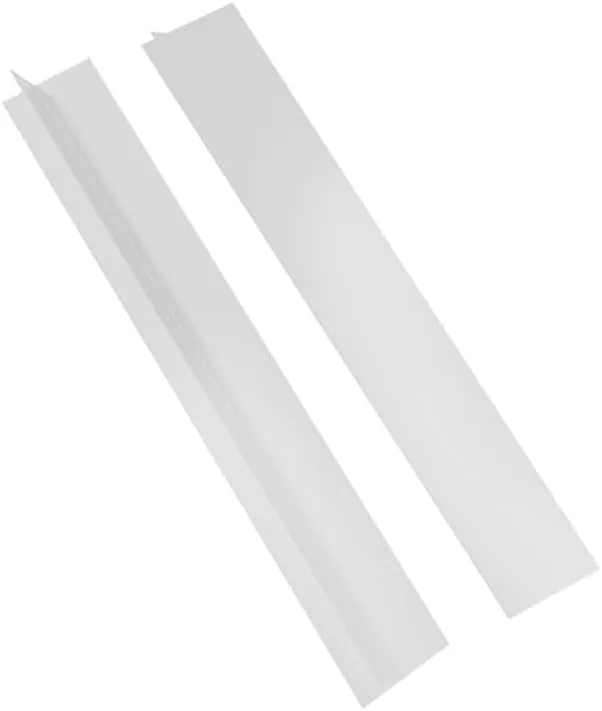
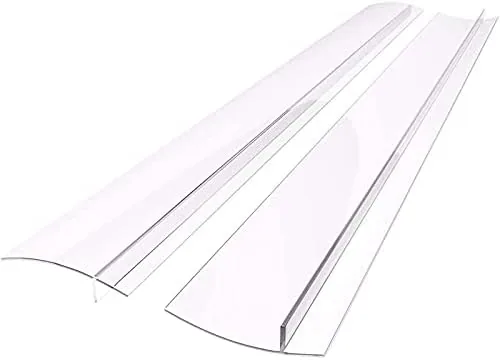
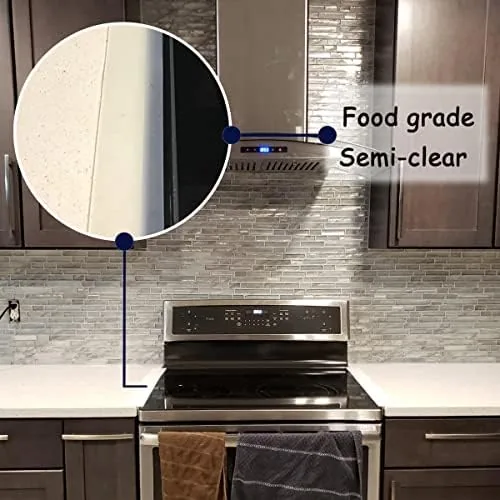
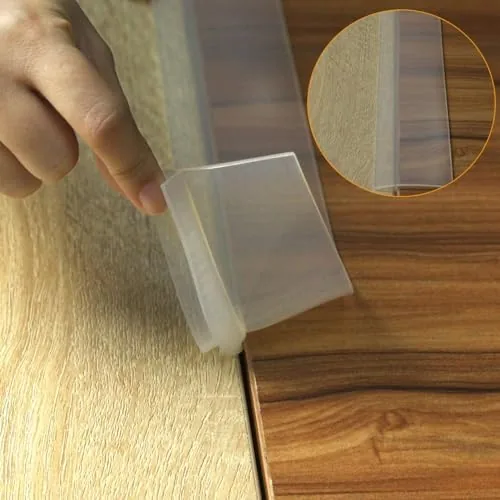
Each cover is a single strip of translucent, semi-clear silicone, 21 inches long, with a profile shaped like a wedge. One edge sits at the surface level of the counter while the wider part drops into the gap, so the strip fills the opening flush with the countertop rather than sitting on top of it. The semi-clear finish means the cover reads as a neutral line against almost any counter color instead of drawing attention to itself.
The material is food grade silicone, which is the correct choice for a kitchen product, because it tolerates heat without degrading and it will not leach anything into food that brushes against it. The silicone is flexible enough to bend around slight irregularities in a gap and soft enough to press firmly against both surfaces, but firm enough that it does not collapse or slide out on its own. The semi-clear finish is worth noting, because it is a deliberate choice over opaque white, and it means the cover reads as a neutral seam against stone, quartz, laminate, and tile alike rather than adding another color to the kitchen.
Key Features
The defining feature is that the cover requires no installation hardware. There is no adhesive, no screw, and no tool involved. You simply slide the strip into the gap, press it down, and it stays put through pressure and its own shape. That makes it reversible, because you can pull it out and reposition it or clean it at any time, which is a genuine advantage over glued-on solutions that leave residue behind.
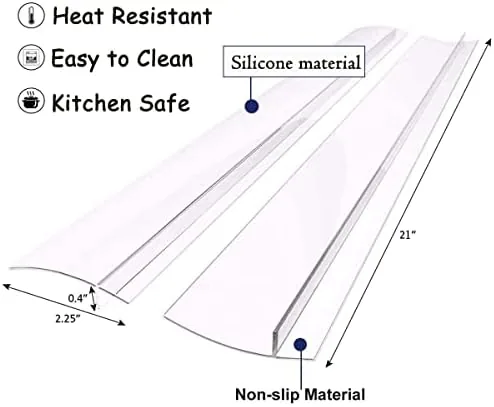
The two pieces in the pack each cover 21 inches, giving you 42 inches of total coverage, which is enough for the gap on both sides of a standard range or for one side plus spares. The flexibility is the other key trait: because the strip conforms to the shape of your specific gap rather than requiring a perfect fit, it works on most standard openings between a stove and an adjacent counter or cabinet.
Real-World Performance
Installing the covers took less than two minutes. I pressed each strip into the gap alongside the stove, and the wedge seated itself snugly against both the counter edge and the side of the range. The fit was not perfect on my first try, because the counter was not perfectly straight, but the flexibility of the silicone meant a few seconds of pressing and repositioning brought it flush, which is the kind of forgiveness a rigid cover cannot offer.
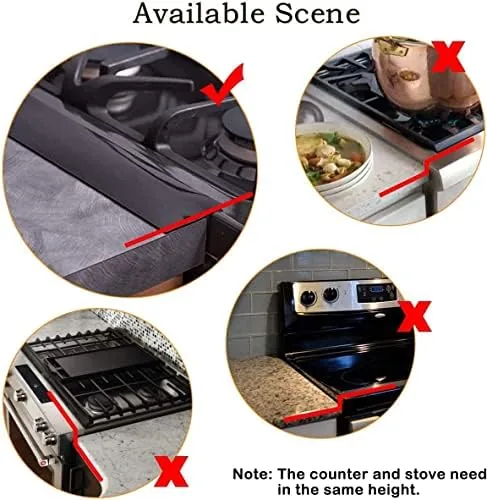
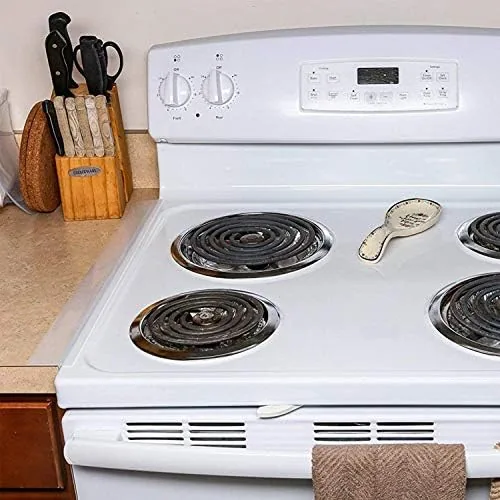
Over a month of daily cooking, the covers did their job quietly. Crumbs and spills that used to vanish into the crack now collect on top of the silicone where they are visible and easy to wipe away, and I stopped worrying about food falling into the unreachable depth of the gap. The strips stayed in place through normal kitchen use, including the vibration and jostling that comes from cooking around the stove, and they showed no signs of warping or degrading near the heat.
Cleaning is the best part. Once a week I pulled the covers out, rinsed them in warm soapy water, and pressed them back in. That routine is the whole point of a removable cover, because the gap it seals is otherwise impossible to clean, and a cover you can lift out turns a permanent mess into a two minute job. The semi-clear color stayed clear rather than yellowing, and the strips still fit as snugly as on day one. I also found the covers useful in a second role, because the same strips fit the gap between a counter and an adjacent appliance or the seam along the back of a countertop, which broadens their value beyond the stove itself.
Pros and Cons
Pros:
- No adhesive, no tools, and fully removable
- Flexible silicone conforms to imperfect gaps
- Food grade material is safe around food and heat
- Easy to pull out and clean with soapy water
- Flush fit that looks clean on most counters
Cons:
- Each strip is 21 inches, so wide gaps need multiple packs
- Semi-clear finish is visible on very dark counters
- Not a permanent seal, can be pushed aside by force
How It Compares
The main alternatives to a silicone gap cover are rigid plastic gap guards that clip or slide into the opening, and magnetic strips that attach to the side of a steel range. Each approach trades flexibility against security.
| Feature | Silicone Gap Covers | Rigid Plastic Guard | Magnetic Strip |
|---|---|---|---|
| Fit on uneven gaps | Excellent, conforms | Poor, needs a straight gap | Good |
| Installation | Slide in, no tools | Slide or clip in | Magnet on steel only |
| Removable and cleanable | Yes, easily | Yes | Yes |
| Needs steel range | No | No | Yes |
| Coverage per piece | 21 inches | Varies | Varies |
The rigid plastic guard is cheaper and gives a firmer seal, but it only works if your gap is straight and uniform, which many kitchens are not. The magnetic strip is the most secure option, but it requires a steel range, and it raises the same question of cost. The silicone covers are the most forgiving of the three, and for the majority of kitchens with slightly uneven gaps, they are the most likely to actually stay put and look clean.
Who Should Buy It
Buy these silicone gap covers if you have a gap between your stove and counter that collects crumbs, if you want a fix you can remove and clean, or if your counter is uneven enough that rigid covers will not sit flush. They are also a sensible first kitchen purchase for renters, because the installation leaves no marks and the covers come out cleanly when you move.
Skip them if your gap is longer than the coverage you can assemble from the pack, if you want a permanently fixed seal that will never shift, or if a magnetic cover is a better fit for your steel range and straight gap. For most kitchens, these strips turn a permanent cleaning problem into a wipe-down surface, which is a small purchase with a large payoff. You can check the current silicone gap covers price on Amazon when you are ready.
How We Test
I installed both silicone gap covers in a working kitchen alongside a standard range and tested them over a month of daily cooking. I checked how firmly they seated against an uneven counter, whether they stayed in place during normal use, and how they held up to the heat and moisture of cooking. I also removed and cleaned them weekly to confirm the strips remained flexible and retained their shape after repeated use.
I did not test the covers against a fully glass or ceramic cooktop side, and the fit will vary with the exact dimensions of your gap, so measure before you buy. Independent coverage such as Real Simple's guide to cleaning the stove gap is a useful read on why these covers exist and how they fit into kitchen maintenance.
The silicone stove gap covers listing on Amazon shows the current price and what is included in the pack.
Questions People Ask
Do the silicone gap covers fit every stove?
Each strip is 21 inches long and flexible, so it adapts to most standard gaps, but you should measure your own gap and trim the strip if your opening is shorter.
Are the covers safe near a hot stove?
They are made from heat resistant food grade silicone, so they tolerate the warmth of normal cooking, but they are not meant to sit directly in flames.
Can the gap covers be washed?
Yes. You can pull them out and rinse them with warm soapy water, then press them back into place once they are dry.
Will the covers leave marks on my counter?
No. They sit in the gap without glue or adhesive, so they stay put by pressure and shape, and they come out cleanly whenever you want to remove them.
As an Amazon Associate, I earn from qualifying purchases.