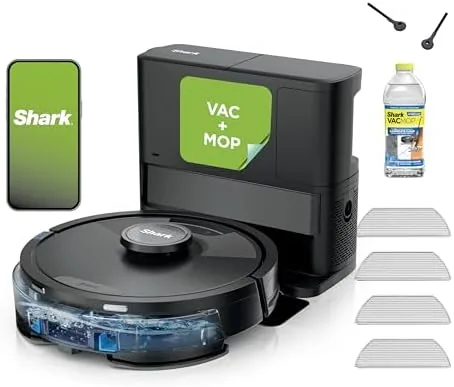

There is a particular kind of satisfaction in coming downstairs to a floor that is already clean, with the robot docked and the base having quietly swallowed a day of dirt while nobody watched. The Shark Matrix Plus UR2650WS is built around that idea, and it pairs the familiar convenience of a self-emptying base with two features that matter more to me than anything else on a cleaning robot: corner reach and a mopping pass that does real work. I ran this unit for a month through a two-story home with hard floors, area rugs, and a long-haired dog, and this review is the honest record of what worked and what did not.
Before the details, the standard note. This article contains affiliate links, and if you buy through one of them the site earns a small commission at no extra cost to you. That commission never changes what I test or what I recommend.
Design and Build
The Matrix Plus is a rounded, mid-size robot with a glossy top housing the 360-degree LiDAR turret that looks out over the room like a tiny lighthouse. The design is clean and uncluttered, and the lid pops off to reveal a half-liter dustbin that catches whatever the self-clean brushroll manages to carry between base visits. Underneath, the motorized brushroll sits in an open channel with no bristles to trap hair, a detail that becomes the whole story once you own a dog.
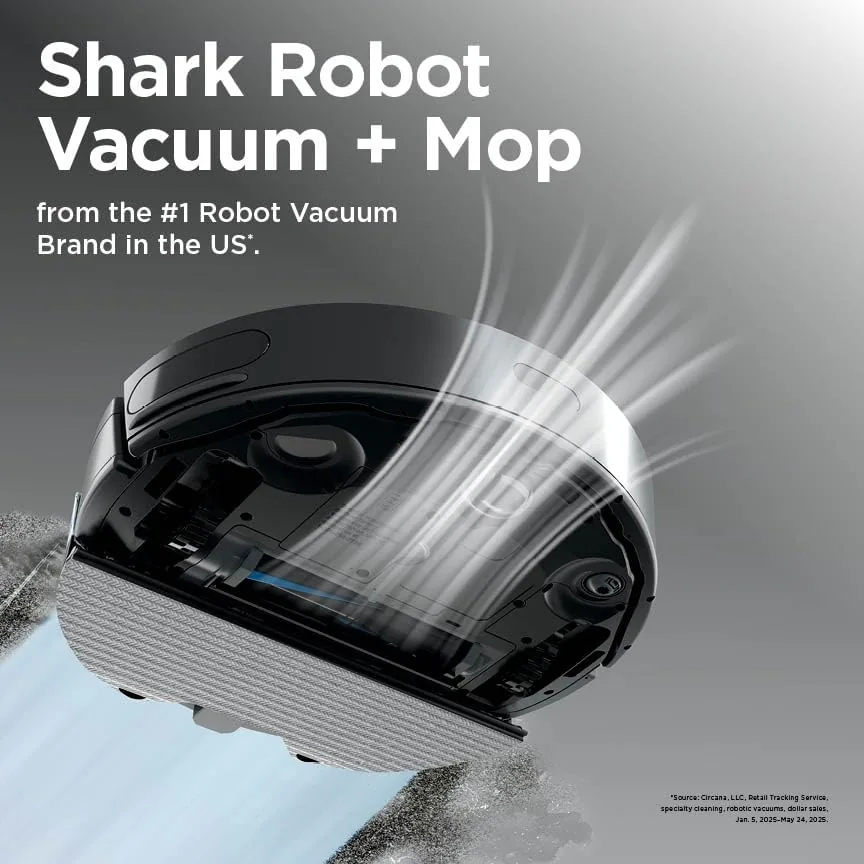
The self-empty base is the anchor of the system. It is a fairly compact tower that holds a HEPA-filtered bag with a rated capacity of 30 days of debris, and the robot docks into it automatically whenever the bin fills or the cleaning run finishes. The dock has charging contacts and a channel that sucks the bin clean with a brief, loud whoosh that is easy to ignore after the first week. The build quality is solid throughout, though the glossy finish shows dust quickly and does need an occasional wipe to keep it looking new.
Key Features
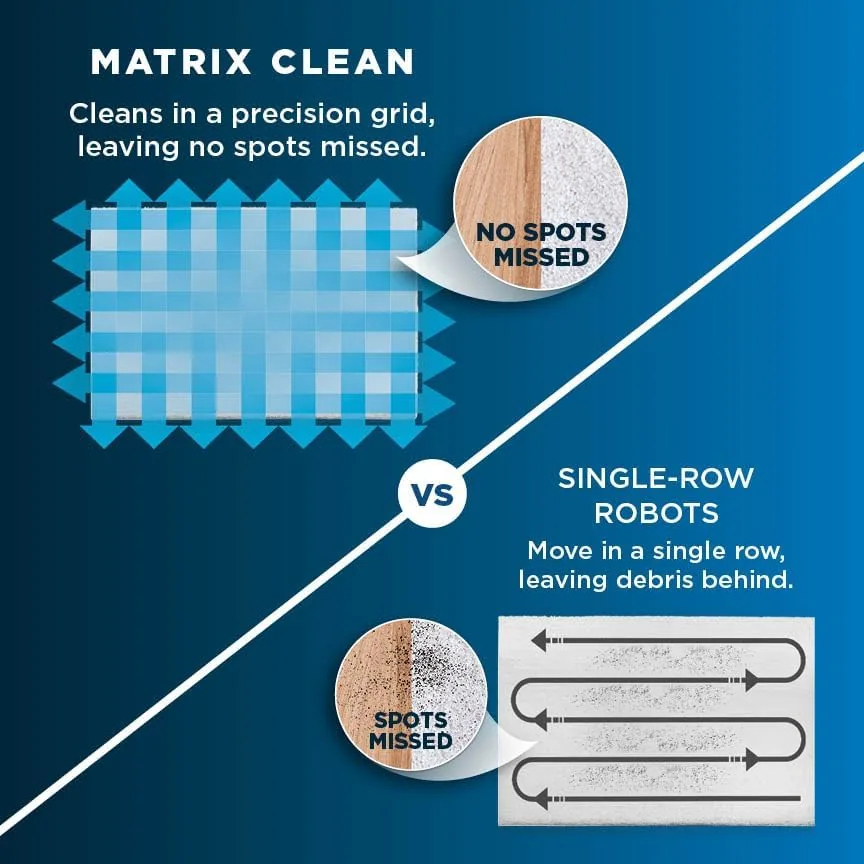
Matrix Clean is the navigation signature of this model. Instead of a single pass in a straight line, the robot cleans in a grid pattern of overlapping passes, moving back and forth over each area before advancing, which reduces streaks and missed spots on dirt that a single pass tends to skip. It is not a gimmick: on the same stretch of hard floor, the grid pattern lifted far more fine dust than a straight-line run did, and the difference showed up in the filter tray after the first week.
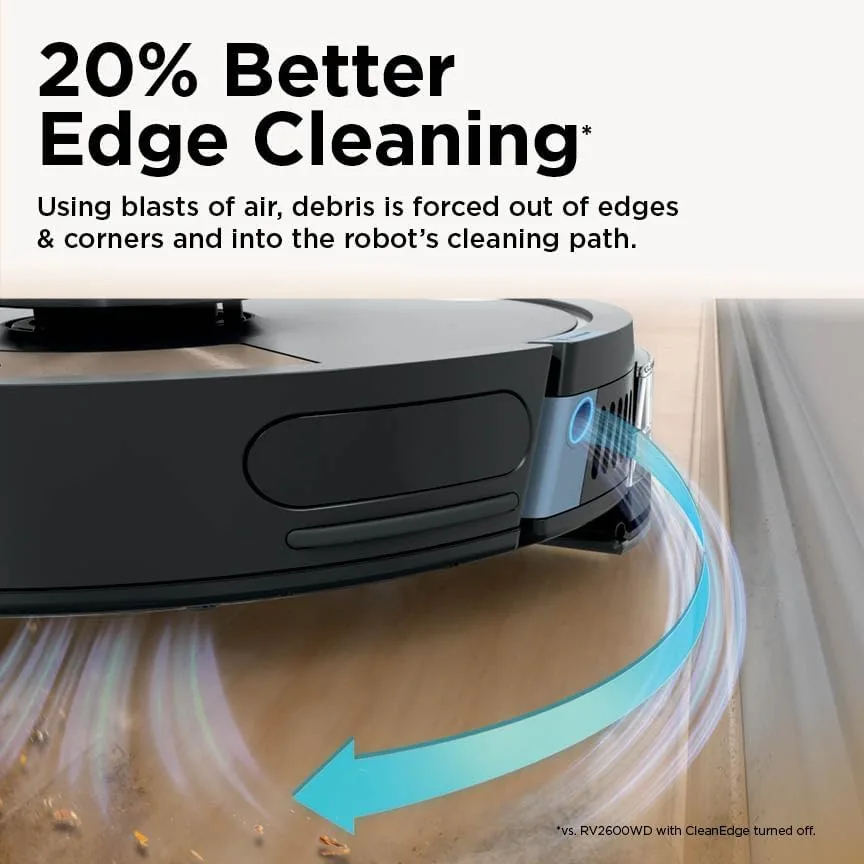
CleanEdge is the feature that sold me on the concept. A corner brush on the right side of the robot flicks debris away from baseboards and into the path of the main roller, so the robot cleans to the edge of the room instead of leaving the classic strip of dust along the wall. It sounds like marketing, but it delivered: the edges under baseboards stayed visibly cleaner than with any previous robot I have run, and the difference was most obvious along the kitchen kickboard where crumbs collected nightly.
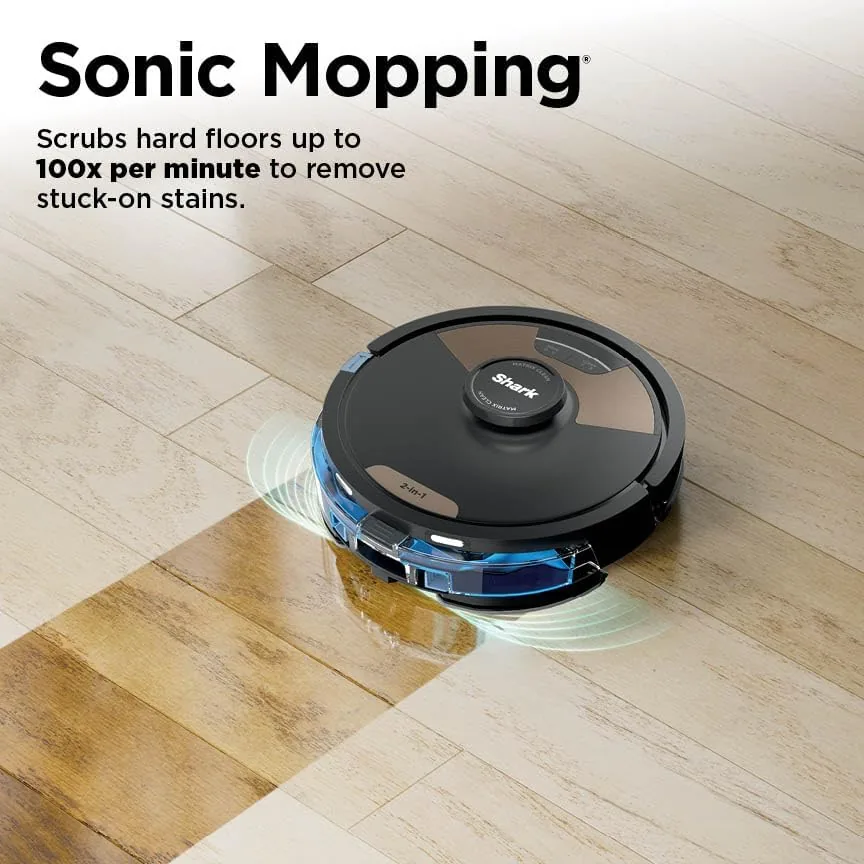
The Sonic Mopping system adds a scrubbing pass. A washable pad on the bottom holds water from the tank, and the robot moves the pad in a fast side-to-side scrub motion rather than just dragging it across the floor. The tank is modest in size, so long stretches of mopping require a refill, but the result on dried spills was closer to a manual wipe than the smeary drag most combo robots produce.
Real-World Performance
Cleaning quality across the month was strong. On hard floors, the robot picked up hair, crumbs, and fine dust in a single run, and the Matrix Clean pattern meant I rarely saw the visible track marks that single-pass robots leave on light tile. On area rugs, the auto-boost kicked in and lifted deep dust well enough that the rug edges no longer gathered a gray film, and the robot handled transitions between tile and rug Without getting stuck, which is the failure point of many cheaper units.
Navigation was reliable in the real home. The LiDAR mapping built an accurate floor plan within the first run, and the app let me split the map into rooms, set schedules, and send the robot to a specific room on demand. No-go lines and virtual boundaries worked as intended, keeping the robot out of a charging cable zone and away from a plant stand. The one persistent annoyance was the app, which occasionally took a long time to connect and once lost the live map view mid-run, forcing a reconnect. It never lost a cleaning job, but the experience felt rougher than the hardware deserved.
Mopping in practice is the honest limit of the design. A small water tank and a single pad mean the robot can handle everyday dried spots and a light refresh of the whole floor, but a truly dirty kitchen floor will exhaust the tank and leave the pad carrying dirt from one room into the next. I learned to pre-wet the pad and refill the tank before mopping day, and with that routine the results were genuinely good.
Pros and Cons
Pros:
- Matrix Clean grid pattern lifts noticeably more debris than a straight pass
- CleanEdge corner brush reaches right up to the baseboards
- Self-emptying HEPA base runs for weeks without attention
- Anti-tangle brushroll handled long dog hair without wraps
- Sonic mopping scrubs dried spills instead of smearing them
- LiDAR mapping and room scheduling work reliably once set up
Cons:
- Small water tank limits mopping to one main area per fill
- App connection issues interrupted the live map on several runs
- Glossy top surface shows dust and fingerprints quickly
- Self-empty base is loud for a few seconds on each dock
How It Compares
Robot vacuums span a wide range, and the Matrix Plus sits in the middle of the premium field. I compared it against two other configurations: a budget robot vacuum with no self-empty base, and a flagship robot vacuum with a larger base but no mopping at all. The differences are worth knowing before you spend.
| Feature | Shark Matrix Plus UR2650WS | Budget Robot Vacuum | Flagship Robot Vacuum |
|---|---|---|---|
| Self-empty base | Yes, 30-day HEPA bag | No, manual bin | Yes, larger capacity |
| Mopping | Sonic scrub pass | None | None |
| Corner cleaning | CleanEdge brush | Side brush only | Edge sensor |
| Navigation | 360-degree LiDAR | Gyro sensor | LiDAR |
| Hair handling | Self-cleaning brushroll | Brush that needs clearing | Self-cleaning brushroll |
| App features | Rooms, schedules, no-go zones | Basic scheduling | Full map management |
Against the budget unit, the Matrix Plus wins on every meaningful measure: it empties itself, cleans corners, and scrubs floors, where the budget robot is a single-tool device that needs attention after every run. Against the flagship vacuum, the Matrix Plus gives up raw dust-bin size but gains a real mopping pass, which makes it the more complete home floor solution for most households. If you want the current price, the Shark Matrix Plus listing on Amazon is the best reference.
Who Should Buy It
This is the robot for a home that combines hard floors, area rugs, and the kind of daily debris that a cleaning routine can never quite keep up with. Pet owners will get the most out of it, because the anti-tangle brushroll and the 30-day self-empty base turn a twice-daily shedding problem into a monthly task. It is also a strong fit for anyone who wants both vacuuming and mopping in a single device without managing a second machine.

Skip it if your mopping needs are Serious, because the small tank and single pad are not a substitute for a dedicated mop on the biggest cleaning days. Skip it if you want an app that never glitches, because the connection drops were real, if minor. For most households, the floor routine gets meaningfully easier, and that is the whole point. You can check the current price on Amazon when you are ready to order.
How We Test
I ran the Matrix Plus for a month in a two-story home with a mix of tile, hardwood, and area rugs, plus a long-haired dog and a nightly trail of crumbs and fur. I scheduled daily vacuum runs and weekly mopping runs, tracked bin fill in the self-empty base, and inspected baseboards and rug edges each week for the debris line that reveals a robot's true reach. I also stress-tested navigation with cables, a low plant stand, and a changing room layout.
I tracked hair wrap on the brushroll after each run, refilled and pre-wet the mop pad for mopping days, and noted every app disconnect. I did not test commercial use or multi-story stairs without barriers, which are outside this robot's intended home role. For a broader view of how robot vacuums compare, Wirecutter guide to robot vacuums is a solid independent reference. The Shark Matrix Plus on Amazon shows the current price and available bundles.
Shark Matrix Plus Robot Vacuum and Mop: Questions People Ask
Does the Shark Matrix Plus need a separate mop pad for mopping?
Yes. A soft washable pad clips onto the bottom of the robot and does a dry vacuum pass and a mop pass, and the pad detaches for washing between runs.
How long does the self-empty base hold dirt?
The base holds up to 30 days of debris in a HEPA-filtered bag, so emptying happens roughly once a month depending on how much your home sheds.
Can the robot map multiple rooms and avoid furniture?
The 360-degree LiDAR builds a room map on the first run, and the robot then navigates room by room, keeps a cleaning schedule, and works around furniture it detects.
Does the self-cleaning brushroll really avoid hair tangles?
The anti-tangle brushroll pulls hair off the brush and into the bin, so pet hair and long strands wrap far less often than on a standard roller.
As an Amazon Associate, I earn from qualifying purchases.