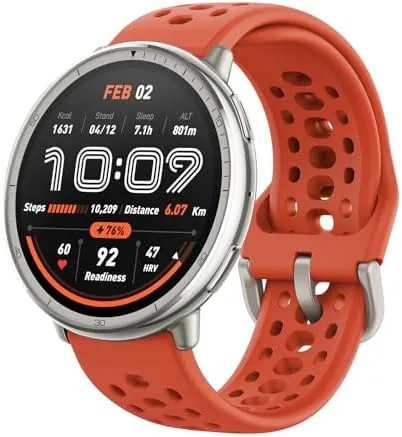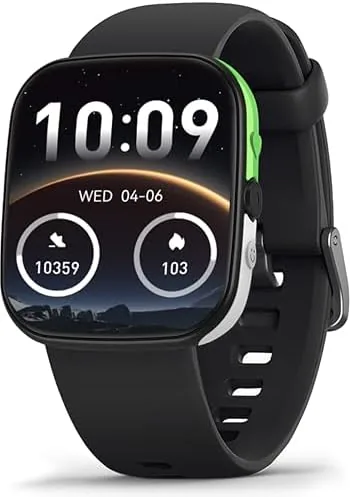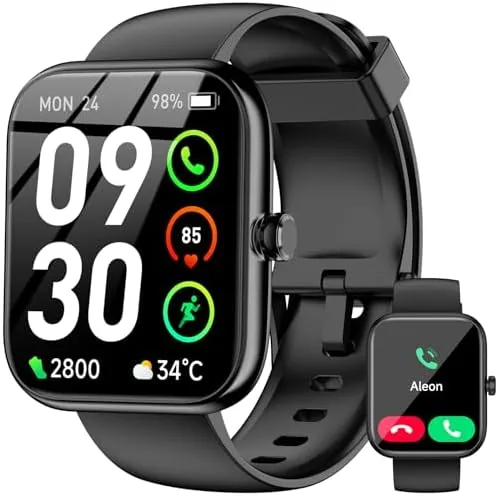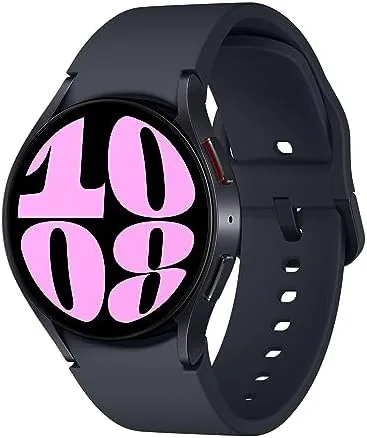

Smartwatches live or die on the daily details, and the Samsung Galaxy Watch 6 has spent three weeks on my wrist to prove it. This Samsung Galaxy Watch 6 review covers the 40mm Bluetooth model, which is the more compact case and the one most people with average wrists should consider. The short version is that it is the best Android smartwatch I have tested, with heart rate, sleep, and body data that are accurate enough to trust, and a battery that demands a nightly top up.
Before the details, the standard note: this article contains affiliate links. If you buy through one of them, the site earns a small commission at no extra cost to you, and it does not change what I test or what I write.
Design and Build
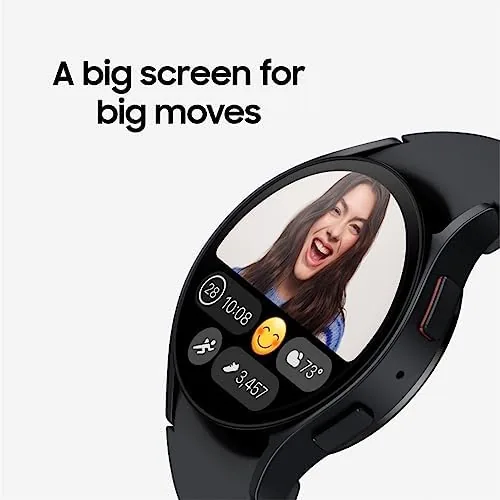
The 40mm case is compact and light, which is the point of this size. It wears closer to a traditional watch than the chunky sports models, with a rounded aluminum body, a tactile rotating bezel only on the larger model, and a bright AMOLED screen that dominates the front. The display is a genuine high point; it gets bright enough for outdoor runs and blacks out completely for an app style that looks rich.
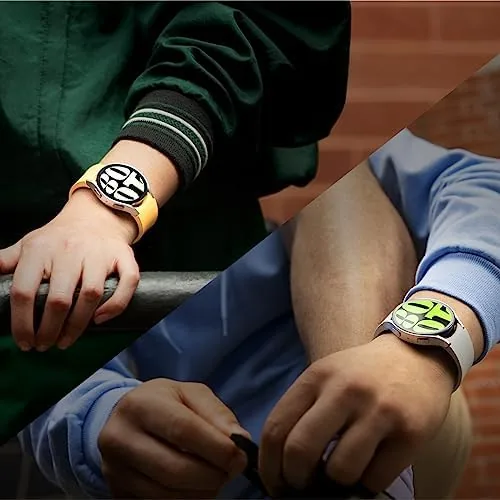
The graphite finish is understated, and the standard sport band is soft, quick to change, and comfortable through the day. It does not slide around when I run, and it stays breathable overnight for sleep tracking. The case resists dust and water to 5ATM, so swimming and washing are covered. Samsung builds the watch to the typical high standard; it feels like a proper timepiece, not a plastic fitness band.
Key Features
Health data is the headline. The watch tracks continuous heart rate, ECG when you record it, blood oxygen, sleep stages, and, through the built-in BIA sensor, body composition such as skeletal muscle mass and body fat. The Samsung Health app gathers it into a dashboard that is genuinely useful rather than a pile of graphs.
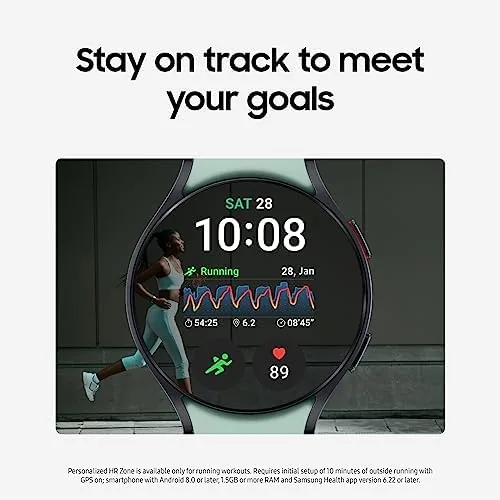
Personalized heart zones are the fitness hook. The watch calculates your custom ranges from your resting and activity data and displays them on screen during a workout, so you know when you are in the recovery, cardio, or peak zone without guessing. I found the zones matched my perceived effort during intervals, which is more than many wearables manage.
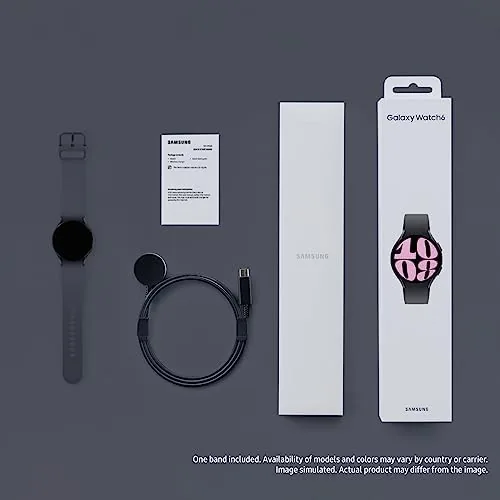
Sleep coaching is the second pillar. The watch scores your sleep and pairs it with the coaching program in Samsung Health, which assigns goals and small habit changes rather than just presenting a number. It runs on Wear OS with a fluid interface, Google Play apps, Google Assistant, and NFC payments, so it behaves as a full smartwatch, not a fitness tracker.
Real-World Performance
Day to day, the watch just works. Notifications arrive reliably, replies work from a tiny keyboard and voice, and the battery handles a full day of mixed use, which for the smaller 40mm model is a meaningful achievement. With the always on display off and typical tracking on, I reached about a day and a half, meaning I charge every night as part of the routine.
Heart rate accuracy held up in a workout. During a run, readings matched my chest strap within a few beats per minute at steady pace, which is the test that matters for heart zones. Body composition readings were repeatable morning to morning, and while no smartwatch replaces a medical scan, the consistency made the trends useful for tracking changes over the weeks.
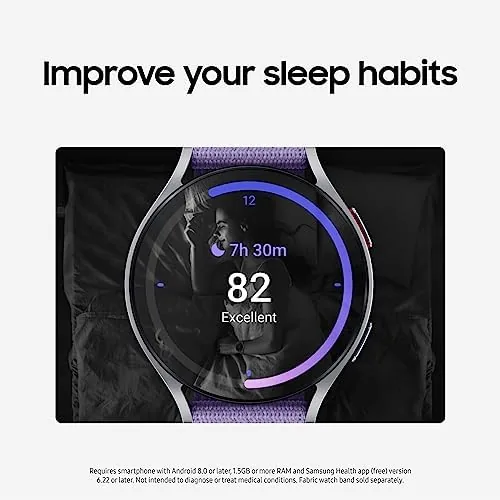
Sleep tracking was the pleasant surprise. The watch correctly caught my late nights and waking hours, and the sleep report matched how I actually felt most mornings, which is the honest test of a sleep tracker. The coaching suggestions were gentle and concrete, like winding down earlier and moving one espresso earlier, rather than the vague platitudes cheaper trackers offer. GPS locks quickly for outdoor runs, though on this Bluetooth model you rely on the phone connection when you want offline maps.
Pros and Cons
Pros:
- Accurate heart rate that matched my chest strap in runs
- Personalized heart zones guide effort without guesswork
- Detailed sleep coaching with practical daily suggestions
- BIA sensor for body composition trends
- Bright AMOLED display and premium build
Cons:
- 40mm battery needs a daily charge
- ECG and some tools stay locked to Samsung phones
- No LTE on the base Bluetooth model
How It Compares
The main rivals are the Samsung Galaxy Watch 6 Classic, the larger 44mm Watch 6, and the Pixel Watch Series. The Classic adds the physical rotating bezel and a slightly different look, the 44mm adds screen and battery for bigger wrists, and the Pixel Watch runs the same Wear OS with a cleaner design but a smaller health suite.
| Feature | Galaxy Watch 6 40mm | Galaxy Watch 6 44mm | Pixel Watch 2 |
|---|---|---|---|
| Display | 1.3 in AMOLED | 1.5 in AMOLED | 1.2 in AMOLED |
| Health sensors | HR, ECG, BIA, SpO2 | HR, ECG, BIA, SpO2 | HR, ECG, skin temp |
| Battery life | About 1 day | About 1.5 days | About 1 day |
| Android support | Yes | Yes | Yes |
| Price | Mid | Mid | Mid |
Against the Pixel Watch 2, the Galaxy Watch 6 wins on body composition, longer battery in the 44mm, and deeper Samsung Health features, while the Pixel wins on design and tighter Google integration. For Android users who train with structure, the Galaxy Watch 6 is the stronger fitness companion. Check the Samsung Galaxy Watch 6 price on Amazon before you decide.
Who Should Buy the Samsung Galaxy Watch 6
Buy it if you train with heart zones, want deeper sleep and body data, and live inside the Android world. The 40mm size suits smaller wrists and a lighter everyday feel, and the fitness and sleep tools give you a reason to check the watch beyond notifications. Samsung phone owners get the full health feature set.
Skip it if you use an iPhone, since this watch does not pair with iOS, or if you cannot accept a daily charge. If you need offline GPS on your wrist without a phone, the LTE model or a dedicated sports watch is the better route. When ready, the Galaxy Watch 6 listing on Amazon has the current options.
How We Test
I wore the Galaxy Watch 6 40mm for three weeks, running several times with a chest strap for heart rate comparison, sleeping with it nightly for sleep scoring, and wearing it through office days for battery and notification testing. I also recorded body composition at the same time each morning to judge consistency.
Independent review can add context, so I recommend the smartwatch testing at Tom's Guide Galaxy Watch 6 coverage for a second view. My numbers come from the wrist I actually wore. For the live price, the Samsung Galaxy Watch 6 page on Amazon has it.
Samsung Galaxy Watch 6: Questions People Ask
Does the Galaxy Watch 6 work with an iPhone?
No. The Galaxy Watch pairs only with Android phones, and iPhone users are better served by an Apple Watch for full integration.
How long does the 40mm battery last?
About a day to a day and a half with typical use and the always on display off. I charge mine nightly, which is the normal rhythm for the smaller case.
What sensors does it include?
Continuous heart rate, ECG, blood oxygen, sleep stages, and a BIA sensor for body composition, all feeding the Samsung Health app for trends and coaching.
Is the 40mm the right size?
For most average wrists, yes. It is light and compact; larger wrists will find the 44mm model more readable and easier on battery.
As an Amazon Associate, I earn from qualifying purchases.