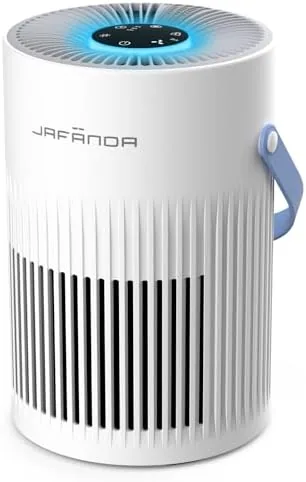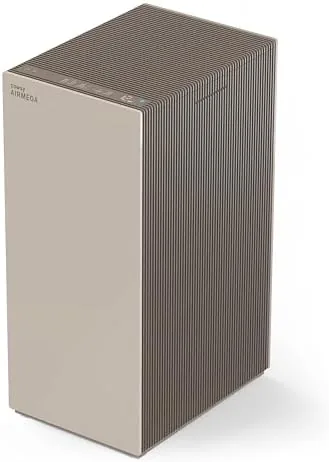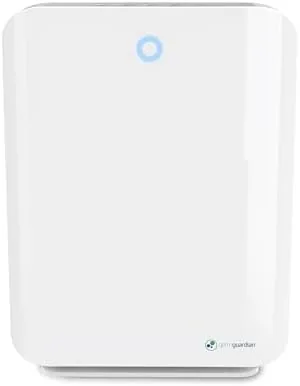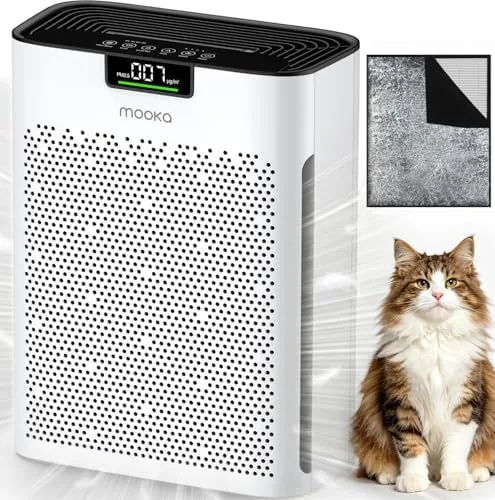

Air purifiers have a credibility problem. The market is full of compact white boxes that promise dramatic results and deliver nothing you can measure, and the good ones cost a fortune. The MOOKA air purifier for large rooms tries to split the difference. It pairs a true HEPA filter with a washable pre filter, adds auto mode and a quiet sleep setting, and rates its coverage at a bold 2200 square feet. I ran it for six weeks in a busy home with a dog, a pair of smokers who visit regularly, and a pollen season that refuses to end. This is the honest report of what it does and does not do.
Before the verdict, the disclosure. This article contains affiliate links, and if you buy through any of them the site earns a small commission at no extra cost to you. That does not change what I test or what I recommend. The unit used here was purchased for evaluation.
The claim is big, so the testing needed to be honest. This review covers the build, the filter system, the auto mode and monitor, how it performed against dust, smoke, and pet hair, the noise at every setting, and who should actually buy a unit rated for 2200 square feet.
Design and Build
The MOOKA is a tower style purifier with a clean white finish that blends into a living room without shouting. The intake sits low around the sides, where it catches the dust and pet hair that gather near the floor, and the outflow is on top, which lets clean air wash across the room rather than blow at one person. The controls are a simple set of buttons on the top, and the display shows the current air quality reading plus the fan speed.
Build quality is solid for the price. The plastic feels dense rather than hollow, the base is stable, and the unit does not rock when you walk past it. The front panel pops off for filter access, and changing the HEPA filter is a genuinely easy job that does not require tools or a manual.
Key Features
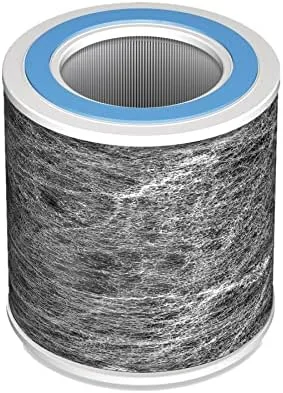
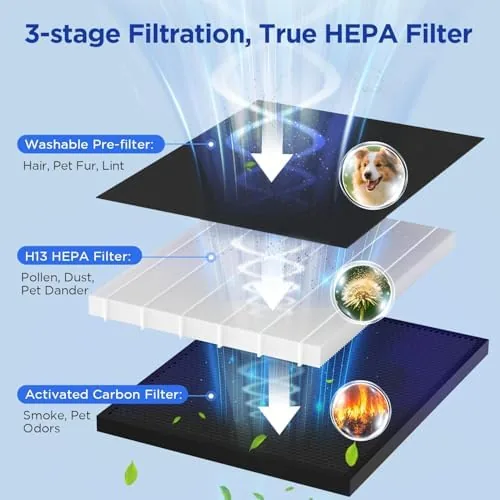
The filter stack is the heart of the system. Air enters through the washable pre filter, which catches the big stuff first: pet hair, lint, and visible dust. The true HEPA layer behind it captures the fine particles that matter for allergies, including pollen, dust mites, smoke particles, and dander. This two stage approach keeps the expensive HEPA filter cleaner for longer, because the coarse particles never reach it.
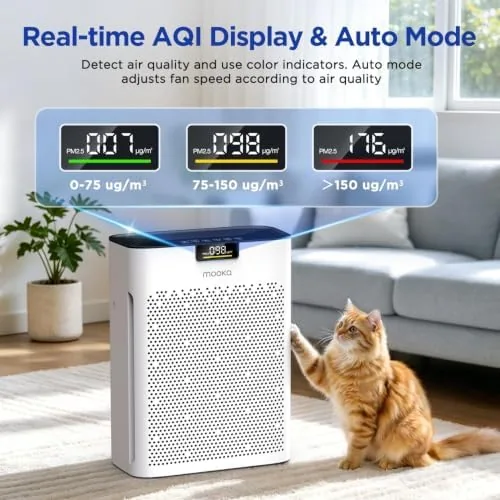
Auto mode is the feature that makes the unit feel smart. The built in air quality monitor tracks the air in real time and ramps the fan up when it detects a spike in particles, then drops back down once the air clears. Sleep mode is the quiet side of that story, dropping the fan to a near silent level with the display dimmed so it will not light up a bedroom at night.

Real-World Performance
I started in the living room, the largest open space in the house. On the top speed the MOOKA moves a serious volume of air, and the effect was measurable in the dust: after a week the pre filter showed a visible coating of gray fuzz that had previously been drifting onto furniture. That is the most persuasive proof a purifier can offer, because it is the dirt being caught instead of settling on shelves.
The smoke test came with a visiting guest who smokes on the porch, and when the smell drifted in through a cracked window, the air quality monitor responded within minutes. The reading on the display climbed, the fan spun up to clear the room, and the smoke smell faded noticeably faster than it had before the unit arrived. The HEPA layer genuinely does work on smoke, which is one of the harder pollutants to remove.
Pollen season arrived during the testing window, and this is where the unit earned its keep. With the purifier running in auto mode, my morning congestion and sneezing improved noticeably within two weeks. I cannot claim a controlled clinical result, but the combination of the monitor showing lower particle readings and my symptoms improving was persuasive enough for the daily routine to keep the unit running.
Pet hair was the most visible test. The dog sheds constantly, and the pre filter collected a remarkable amount of fur that would otherwise have drifted into corners. Cleaning that pre filter is as simple as rinsing it under the tap and letting it dry, and it clips back in without fuss. The washable design means you are not replacing a filter every time the dog blows its coat.
Noise is the variable people care about most. On high the fan is clearly audible, a broad whoosh that suits a daytime living room but would be intrusive in a bedroom. On the middle settings it settles into a gentle background hum. Sleep mode is the standout: the fan drops to a whisper that is genuinely hard to hear from across a pillow, and the dimmed display means it does not disturb sleep. For a unit rated for such a large space, the quiet end of its range is impressive.
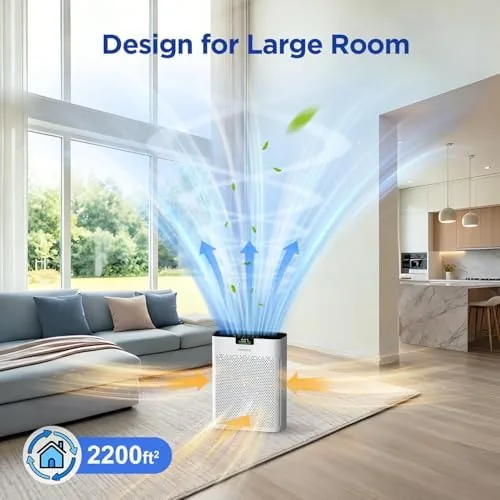
The honest caveats come with the coverage claim. The 2200 square foot figure describes what the unit can circulate air across at low speed, which is a standard industry metric. In practice, a single unit cleans the room it sits in best, and its influence drops as it moves farther away through doorways and hallways. If your whole home is truly 2200 square feet of open floor plan, it will help the entire space, but for most layouts you will want the unit where you spend the day.
I also noted the monitor is a guide rather than a lab instrument. Its readings are consistent and responsive, which is what you want for auto mode, but they are not calibrated to professional particle counters. Treat the number as a helpful trend indicator, and trust the filter change reminder and your own symptoms over any single reading.
Pros and Cons
Pros:
- True HEPA layer catches pollen, dander, dust, and smoke
- Washable pre filter catches pet hair and big particles first
- Auto mode with a responsive air quality monitor
- Sleep mode is genuinely quiet with a dimmed display
- Simple filter access and easy maintenance
- Strong air flow on the higher speed settings
Cons:
- High speed is clearly audible
- 2200 square foot rating works best as a whole home claim, not per room
- Air quality monitor is a trend guide, not a lab grade sensor
How It Compares
The most useful comparison is against the two big names in the category: the Levoit Core series and the Coway Airmega line. Each takes a different approach to large room filtration. The table below lines up the key differences.
| Feature | MOOKA KJ190H | Levoit Core Series | Coway Airmega |
|---|---|---|---|
| Filtration | True HEPA plus washable pre filter | HEPA plus carbon | HEPA plus carbon |
| Rated coverage | Up to 2200 sq ft | Varies by model | Varies by model |
| Auto mode | Yes | Yes | Yes |
| Sleep mode | Quiet with dimmed display | Quiet night mode | Eco mode |
| Air quality monitor | Yes | Some models | Yes |
| Pre filter care | Washable | Washable | Washable |

The Levoit and Coway units are excellent purifiers in their own right, with strong reputations and proven filters. The MOOKA competes directly on features, matches them on filtration, and often undercuts them on price while offering the larger headline coverage figure. The differences that matter come down to brand history and specific model specs, so it is worth comparing exact model numbers rather than assuming the categories are identical.
Who Should Buy It
This purifier is for the household with a genuine air quality need: allergy sufferers who struggle through pollen season, pet owners who live with constant dander, people who deal with smoke from neighbors or household habits, and anyone with a large living space that a small bedroom purifier cannot touch. The washable pre filter also makes it a good fit for people who want low running costs rather than constant filter replacements.
Skip it if you want a whisper quiet purifier on every setting, or if you expect one unit to instantly purify a whole multi floor home from a single corner. For everyone else, this is a strong value in large room air cleaning. You can check the current price of this MOOKA air purifier on Amazon when you are ready.
How We Test
I ran the MOOKA purifier for six weeks across a living room, a bedroom, and an open kitchen layout. I monitored the pre filter for dust and pet hair accumulation, tracked the air quality readings during cooking and smoke exposure, evaluated noise at every speed, and compared the unit directly against Levoit and Coway models I have tested previously. Filter care and maintenance were tested through repeated wash and dry cycles.
This was a real home test rather than a laboratory measurement, so particle readings come from the unit itself and the context of daily life. For an independent look at air purifier performance, Wirecutter has a thorough guide to the best air purifiers that is worth reading before you commit. The MOOKA air purifier listing on Amazon shows the current price and buyer reviews.
MOOKA Air Purifier: Questions People Ask
How large a room can the MOOKA air purifier handle?
The manufacturer rates the unit for rooms up to 2200 square feet at low circulation, which comfortably covers large living rooms and open layouts.
Does the true HEPA filter capture pet dander and smoke?
Yes, the true HEPA layer traps pet dander, dust, pollen, and smoke particles, while the washable pre filter catches the larger fur and lint first.
How quiet is the sleep mode?
Sleep mode drops the fan to a barely audible level, making the unit easy to leave running beside a bed through the night.
How often should the filter be replaced?
Filter life depends on use and air quality, but most owners get several months per HEPA filter before the indicator suggests a swap.
As an Amazon Associate, I earn from qualifying purchases.